Our adventures in Tallahassee began on Tuesday, May 2 at Wakulla Springs, where we took a 45 minute 2 mile River Boat Tour on the Wakulla River.
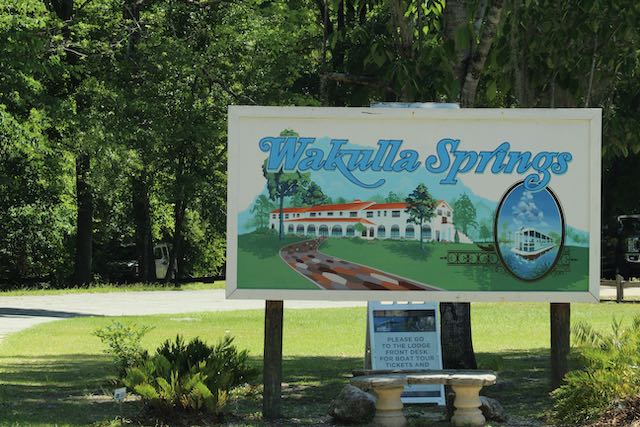
Edward Ball, who was the brother-in-law of Alfred I. du Pont and managed his estate after he passed away, purchased the 4,000 acres surrounding Wakulla Springs in 1937 and constructed the Wakulla Springs Lodge as a guest house. He imported marble and tile and hired craftsmen and artisans who built everything needed for the lodge on-site. He eventually donated the land to the state to create what is now the Edward Ball Wakulla Springs State Park.


The fireplace and the lobby ceiling is decorated with paintings of local wildlife scenes. Close examination shows it to be a combination of European folk art, intricate Arabic scroll work and Native American influences.
We saw all sorts of wonderful wildlife on the river boat trip. I’m glad Trish found this on a listing of the best things to do during 48 hours in Tallahassee. Some of what we saw is below.


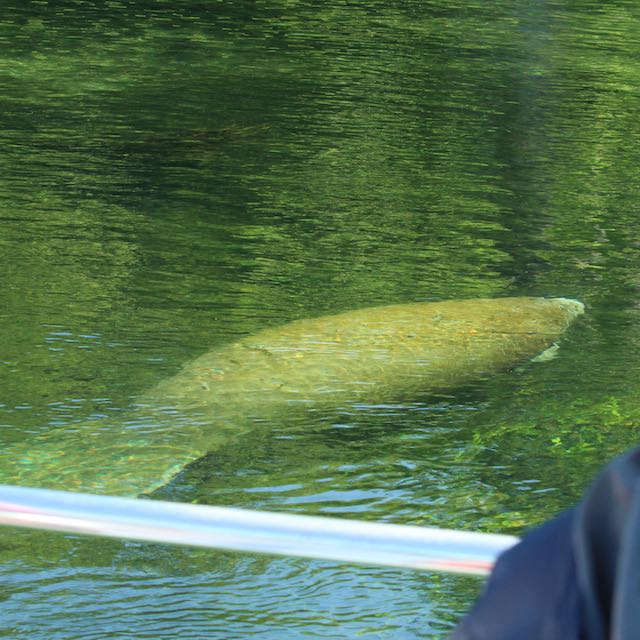
A purple gallinule – they look a bit like a duck, but they have bright yellow non-webbed feet. You can see the feet in the left photo and see him swimming in the middle photo. And a manatee – this was the first one we saw – in total we probably saw 12 to 15. Because the spring is a near constant 70 degrees, they come here during the winter – the guide said they are mostly headed back to the gulf about this time of the year.


A little blue heron and a tricolored heron

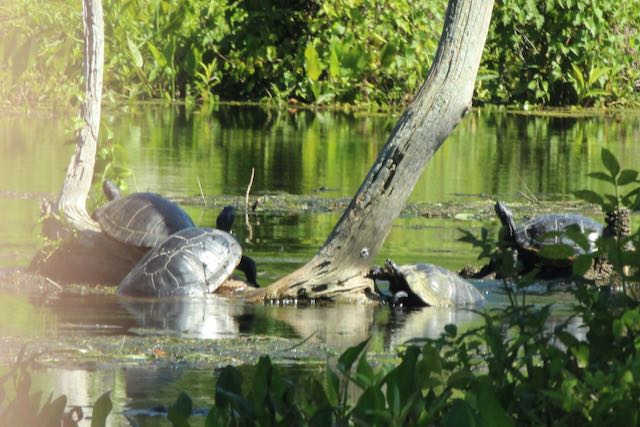

Local turtles (I can’t remember what he called them) and another manatee

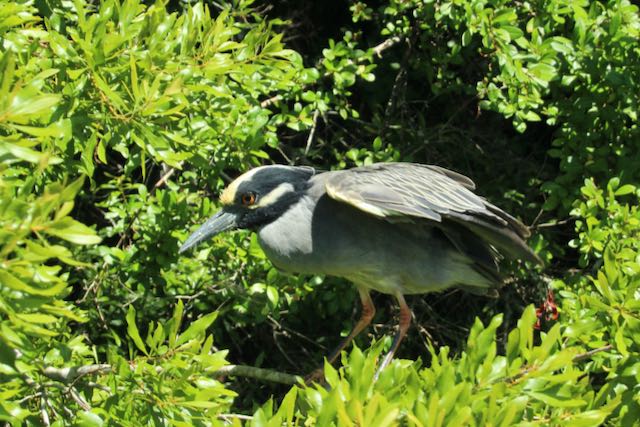
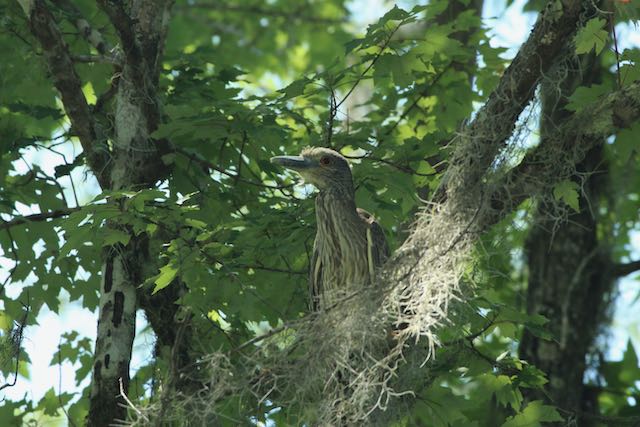
Yellow-crowned night heron and a juvenile yellow-crowned night heron.

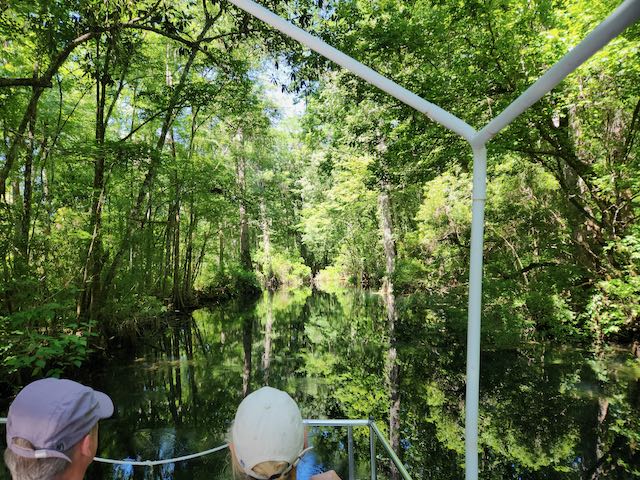
This part of the river is where the Creature of the Black Lagoon was filmed. Apparently the original person who was supposed to play the creature went on a boat tour and saw how many snakes and alligators there were. He then said no way, and one of the boat operators agreed to play the part and eventually became a stunt man.
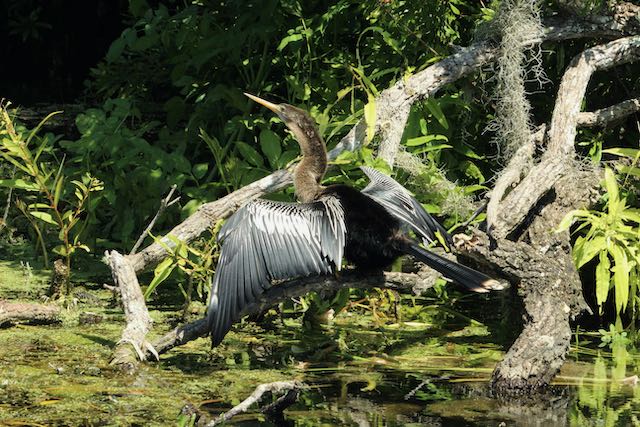

An anhinga drying it wings, and three double crested cormorants. You can tell them apart because the anhinga has a straight, sharp beak, while the cormorant has a hook at the end of their beak.

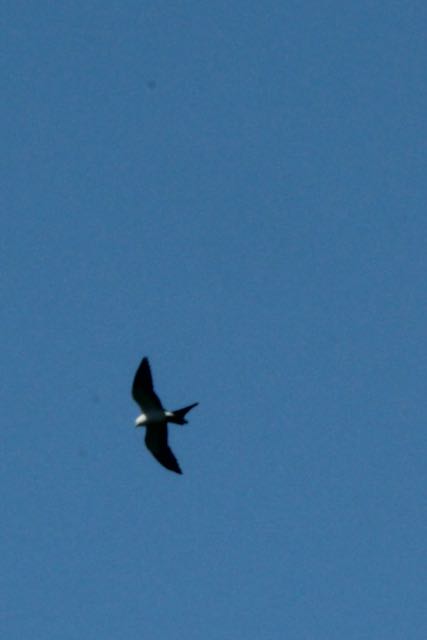
A beach spiderlily and a swallow-tailed kite.

The guide said he had never seen a yellow crested night heron do this.


The swimming platform for Wakulla Springs. If we had brought our swimsuits we may have gone in. The spring is 350 feet deep and leads to the largest underwater cave system in the US, with almost 32 miles of mapped caves. When the water is clear enough, they say you can see mastodon skeletons in the spring. About all we saw were some gar and these catfish.

After the springs, we headed into Tallahassee to Florida State University. where Trish majored in party and made some good friends – but she only stayed for 2.5 years.


Not the best picture, but Reynolds Hall was her freshman dorm.
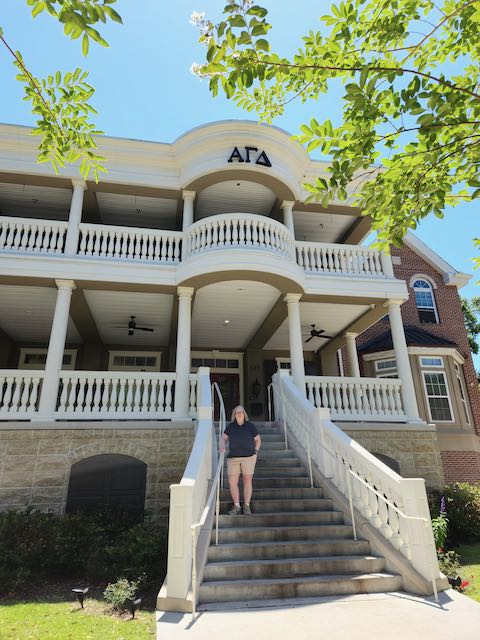

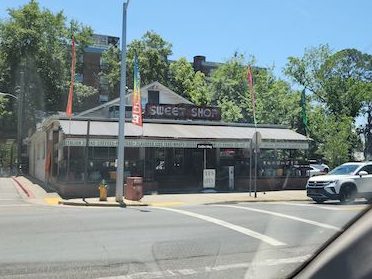
Trish said the stadium and the sweet shop looked like she remembered them, but lots else had changed – of course it was over 50 years ago, so that is to be expected. As a comment on the relative sizes of our schools, when I took Trish to WPI, I was able to show her the main sites in about 5 minutes, it took us about 30 minutes to see Florida State – quite a difference.
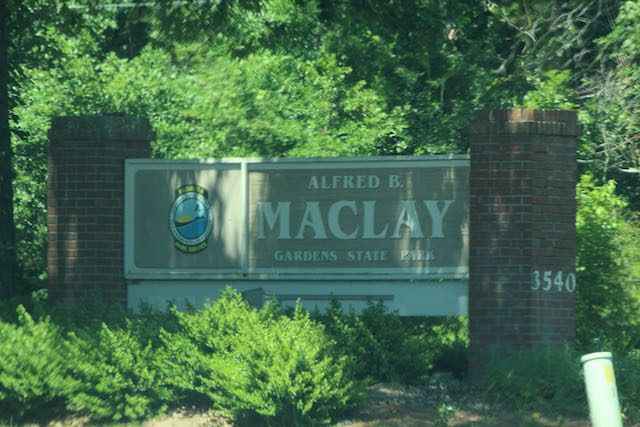


The property is on the edge of the lake, and we spotted a great blue heron.


Two views of the reflecting pool, looking from the secret garden down to the lake.


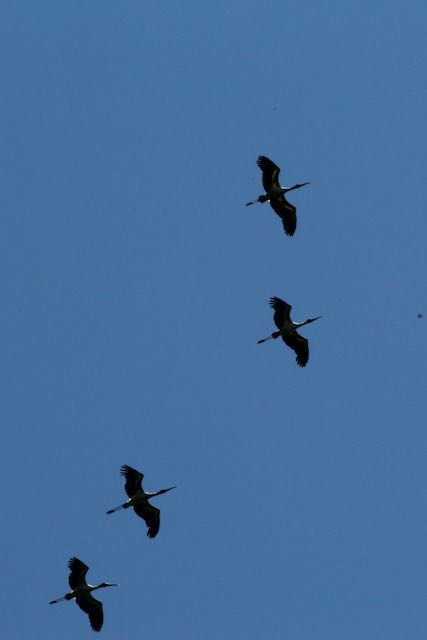
Spanish moss (not Spanish and not a moss) hanging over the brick pathway. Birds flying over – egrets? herons? we couldn’t tell.
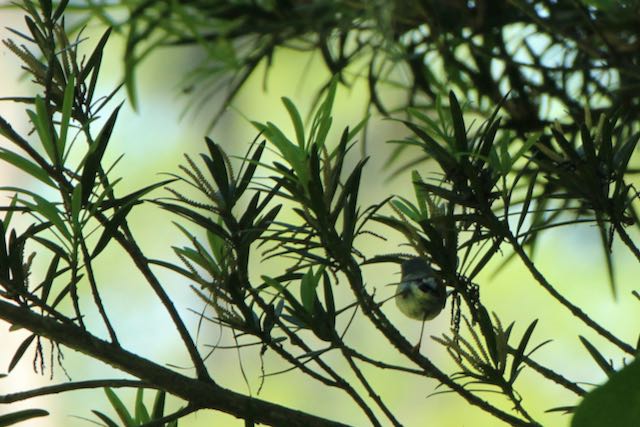
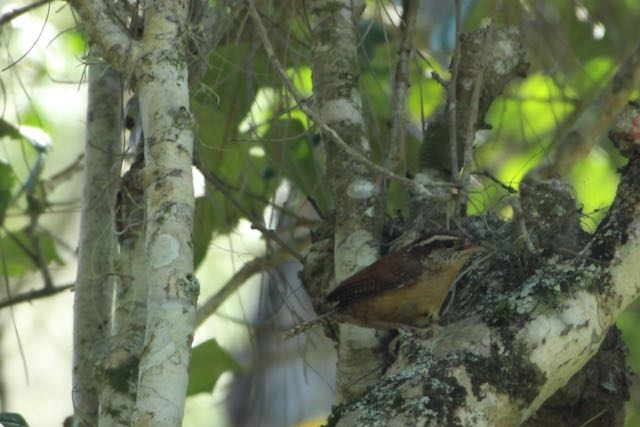
We think that was a pine warbler on the left and its a Carolina wren on the right – we have seen and heard many of these on this trip.
We couldn’t bring ourselves to visit the Florida Capitol, but we did decide to visit the Old Capitol Building – it has been restored to what it looked like in 1902. They almost tore it down in the 1970’s when they built what I consider to be a very ugly new capitol, which is a 22 story office building, with legislative wings. What do you think? (Not my photo – we didn’t take a helicopter.)


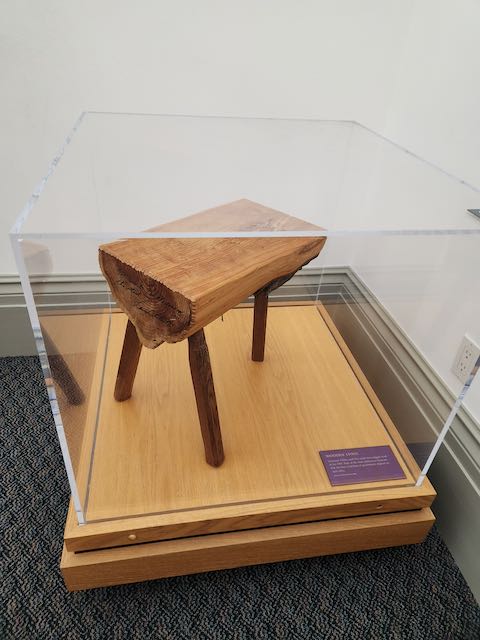

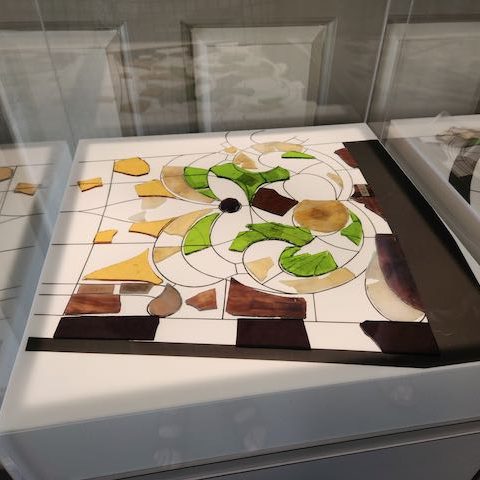
This is the dome – it was covered up during some of the renovations, and had fallen in, so they didn’t know exactly what it looked like. They found some pieces from the original dome and worked it like a jig saw puzzle to figure out what it looked like.

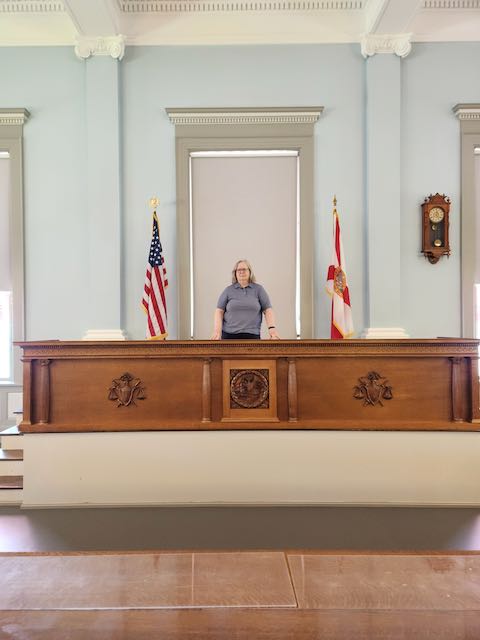
The House Chamber, and Trish presiding over the Senate Chamber.
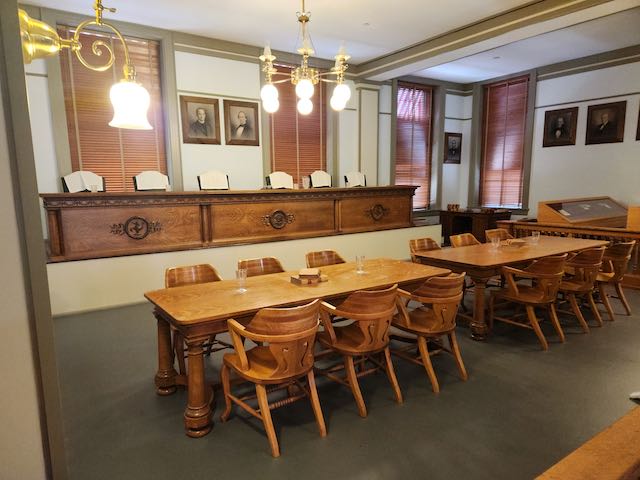

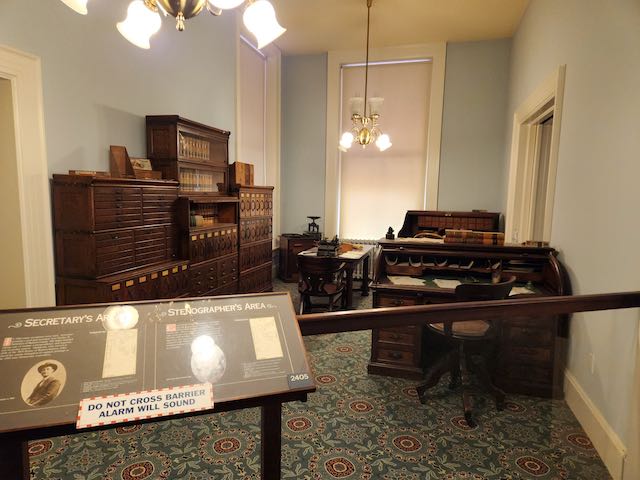
The Governor’s Office and the secretary and stenographer’s office.

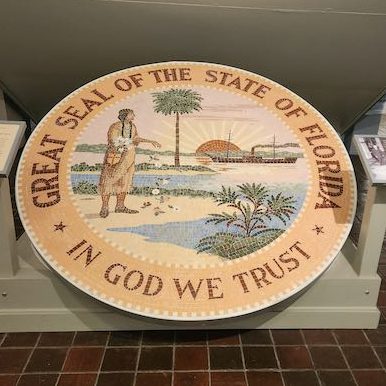
Two versions of the state seal. The elements are: a shoreline on which a Seminole woman is spreading flowers, two Sabal palms (Florida’s state tree) are growing, and in the background, a steamboat sailing before a sun breaks the horizon, with rays of sunlight extending into the sky.
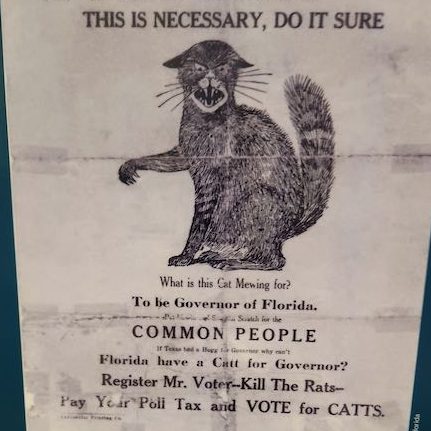
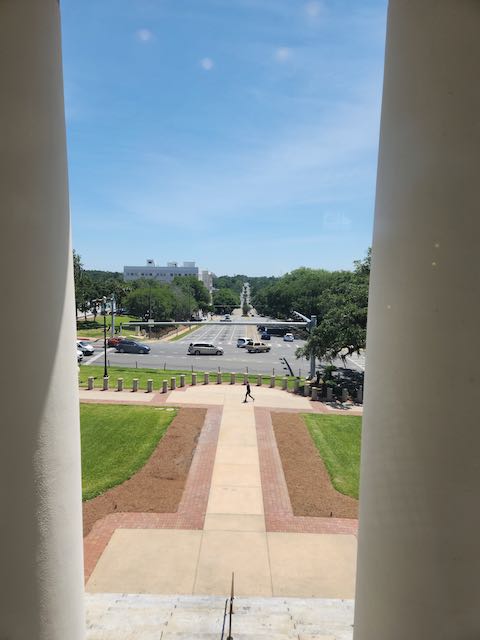

Two views out of the 2nd floor of the capitol – the left is looking down one of the main streets – I think that was probably a legislative aide making his way back from lunch. On the right, we were looking down at a rally that was going on – not sure what they were protesting, but I’m pretty sure we were on their side.

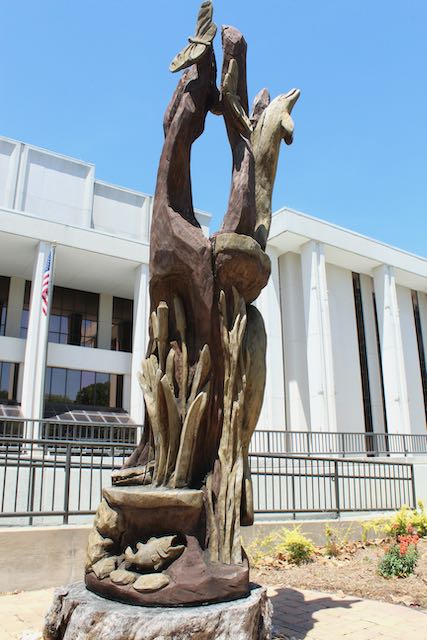

Behind the capitol we found this sculpture called Florida’s Nature. It is carved from a live oak tree and depicts some of the plants and animals that have been selected as state symbols – such as dolphins, manatees, alligators, panthers and orange blossoms – what else can you find?
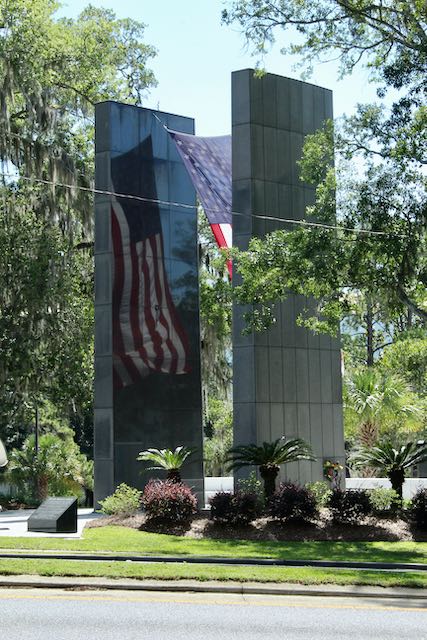
This was a cool memorial outside the capitol.
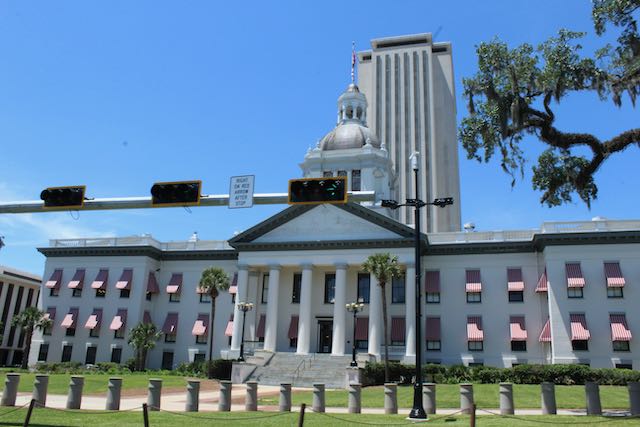
One last view of both of the capitol buildings.
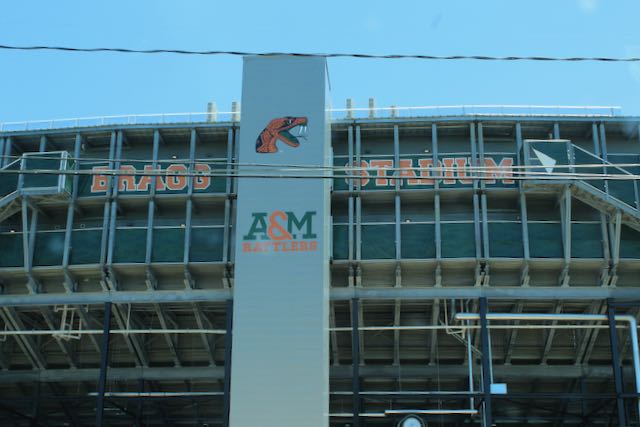

We then drove around the campus of Florida A&M. Their teams are called the Rattlers, which is what that big statue is on the front steps of a student building.
After getting some lunch, it was back to the RV park to finish our stay in Tallahassee.

Next up, Jacksonville.

 Trish & Anne RV Adventures
Leave a comment