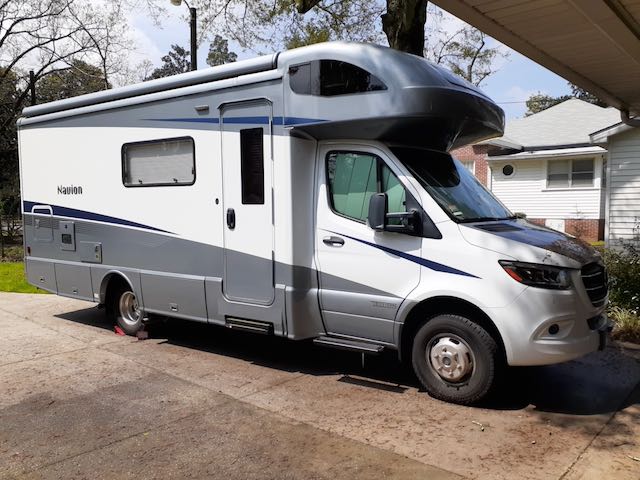
After leaving Charleston, we spent four nights in Jacksonville. The first day and a half we spent with Pat Calvin. Pat, who is now 92, was the Mock’s maid from before Trish was born until Mrs. Mock passed away in 1990. Pat always says she had 7 black kids (her own) and 6 white kids (the Mocks.) We visit whenever we get to Jacksonville. The first night Trish made her Chicken and Yellow Rice – this is the first time she let us cook for her. Here we are posing in the living room.

The next day we were able to get Pat to go for a ride with us and we spent the day revisiting Trish’s childhood around Jacksonville. The left photo is where the family lived until Trish was 7 and on the right is the house they lived in after that. That’s Trish going to the door, hoping to get a glimpse inside, but no one answered.


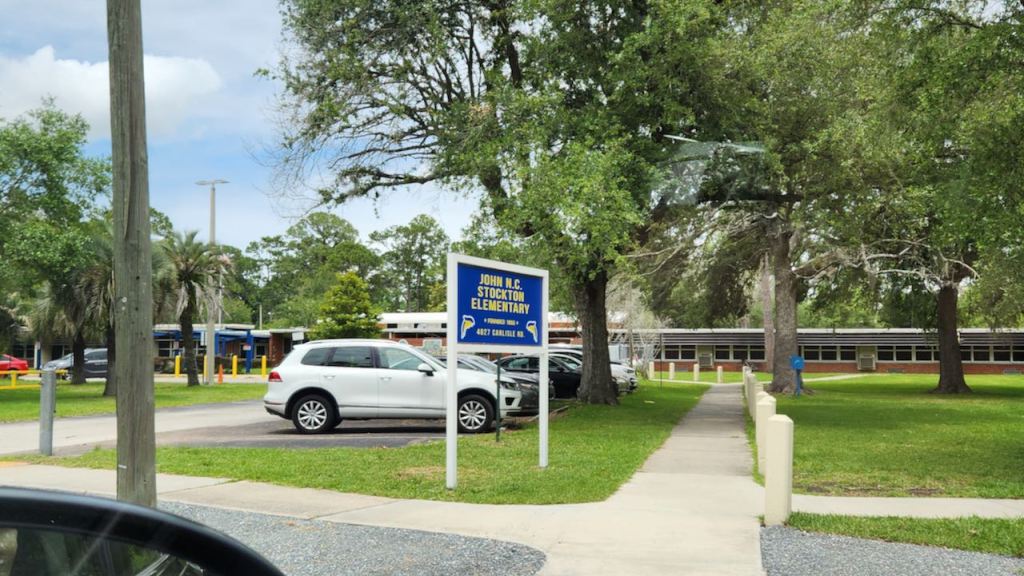
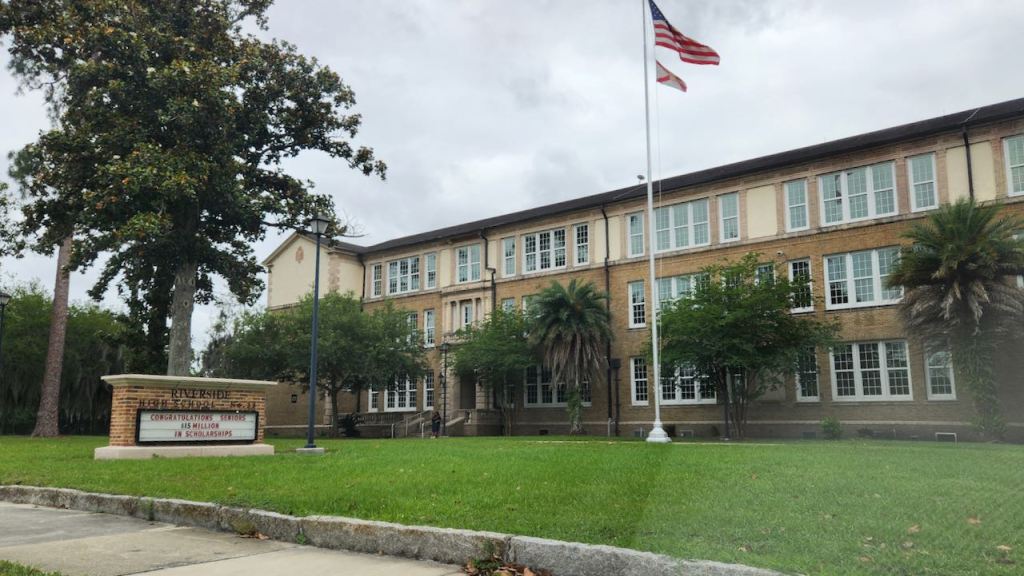
We also checked out Stockton Elementary School and the former Robert E Lee High School, which is now Riverside High.
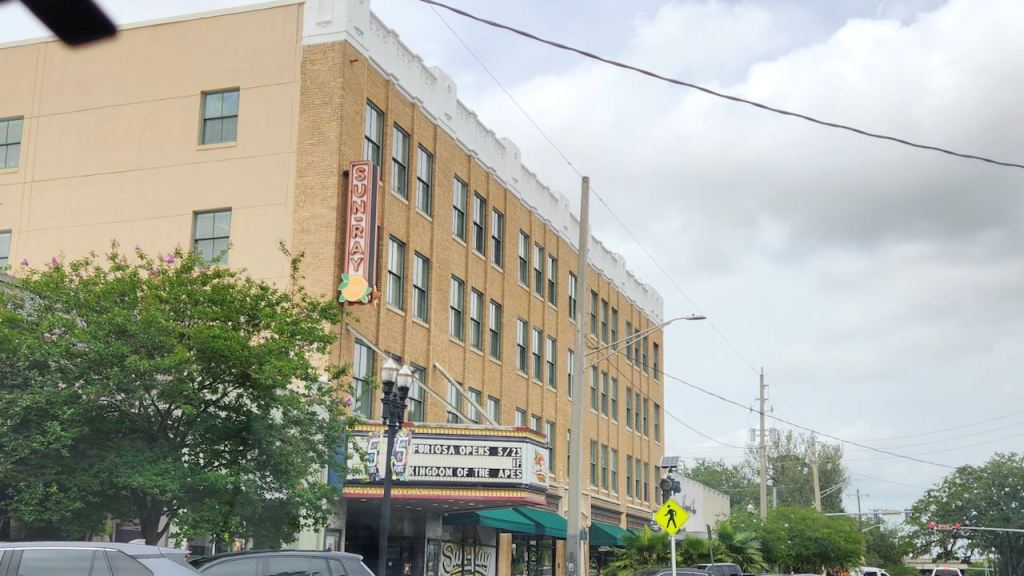
Here is the movie theater where she worked one summer – the year of 2001: A Space Oddessy -and the local pharmacy where they had a lunch counter and soda fountain. We didn’t go in to see if the counter was still there – but we doubted it was.

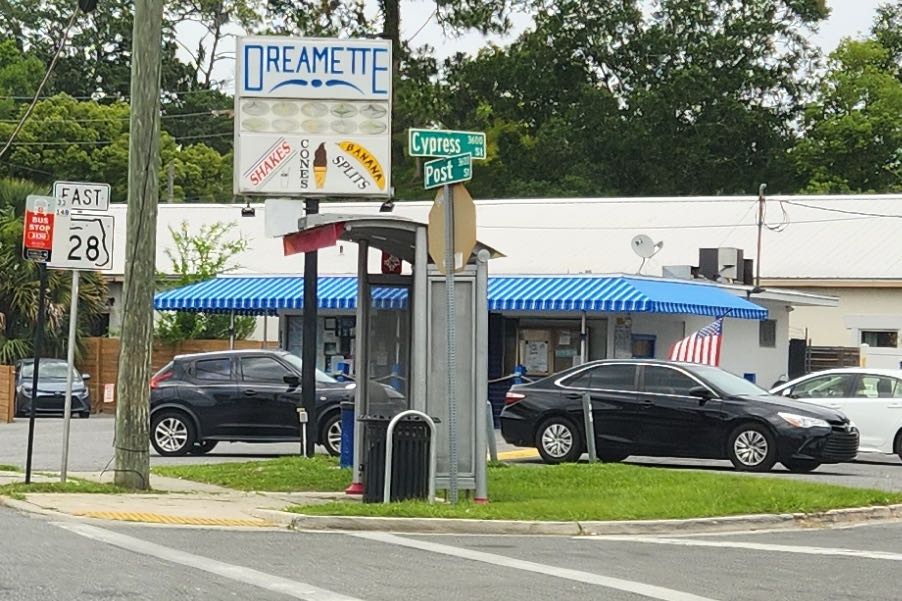
And we couldn’t end the trip down memory lane without a twist from the Dreamette – Trish said the strawberry/vanilla twist was a wonderful taste combination that she hadn’t tried before.
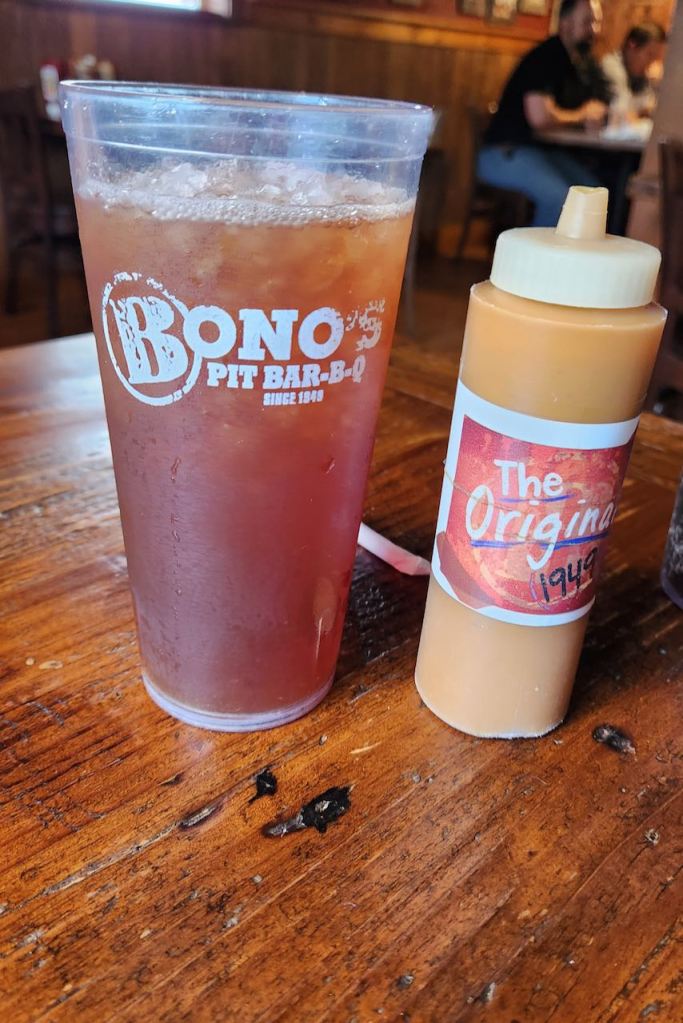
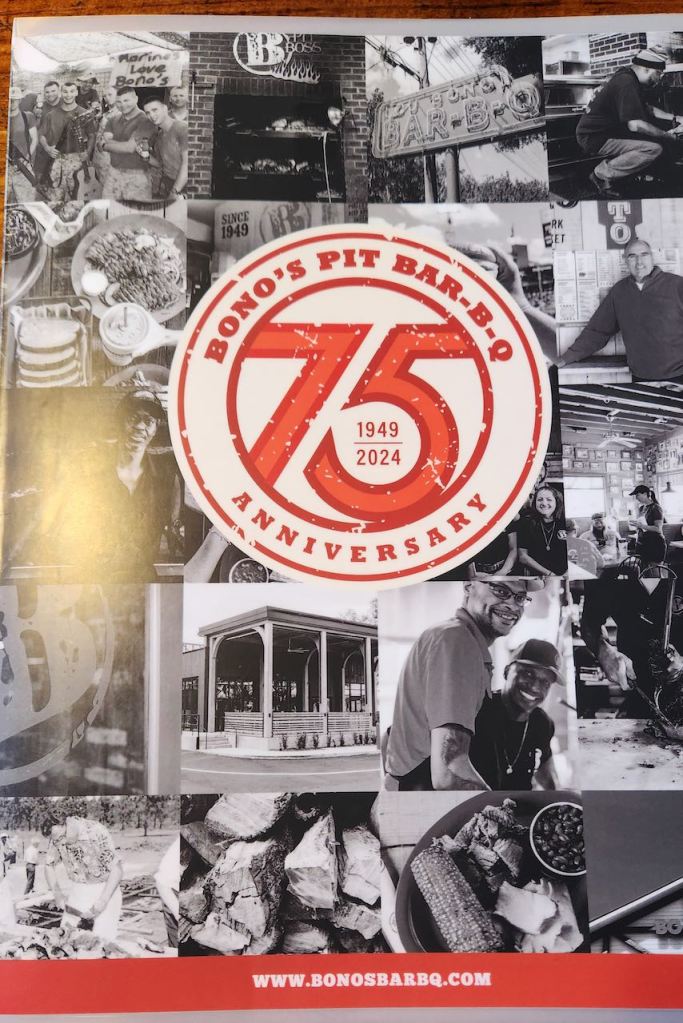
On Wednesday, May 22 we moved campsites over to the Katheryn Abbey Hanna Park, which is near the beaches in Jacksonville. It is a city park, with 1.5 miles of beach and a campground with over 200 nicely shaded sites. We really enjoyed our stay here last year. After setting up camp, we went to Lou Bono’s, the BBQ joint that Trish always went to on the way home for the beach. They are celebrating 75 years, so it’s not much older than Trish. This is also the source of the recipe for the BBQ sauce we make, but with the slow roast in the pit theirs always tastes a bit better than ours.
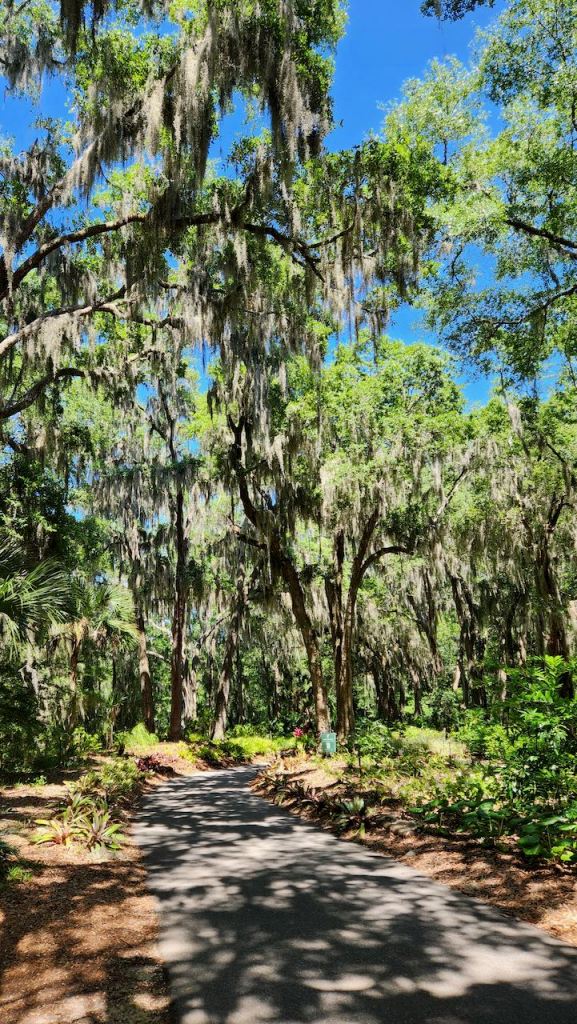
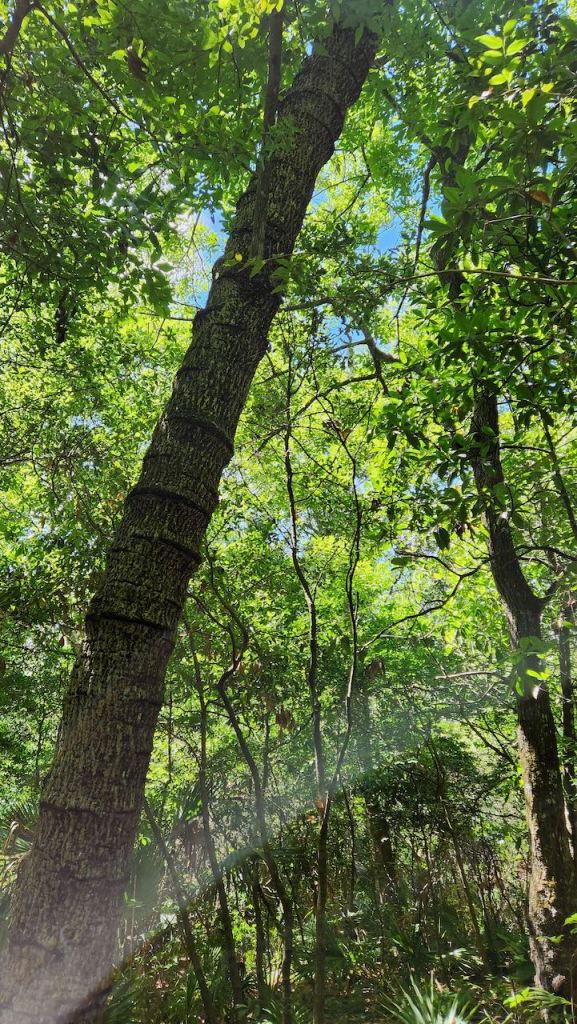
On the way back to camp we stopped by the Jacksonville Arboretum & Botanical Garden – we asked the attendant for a shady walk, and she delivered pretty well. The plants and trees were not all marked, so I can’t tell you if those rings around the bark just how this tree naturally grows, or if they are an indication of disease or weather conditions.
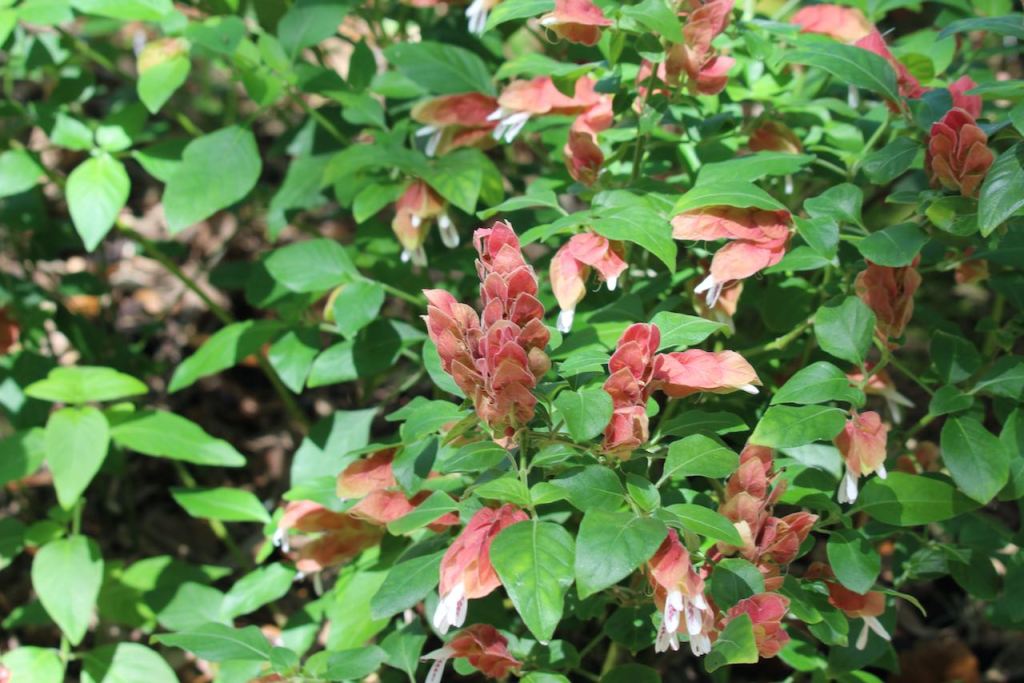
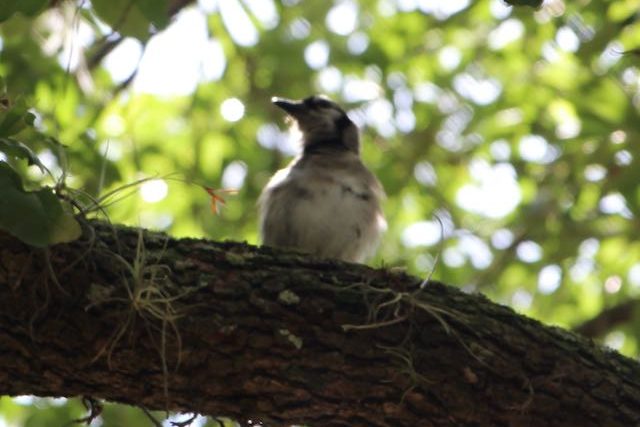
This plant was labeled as a Shrimp Plant and we believe that is a juvenile blue jay.
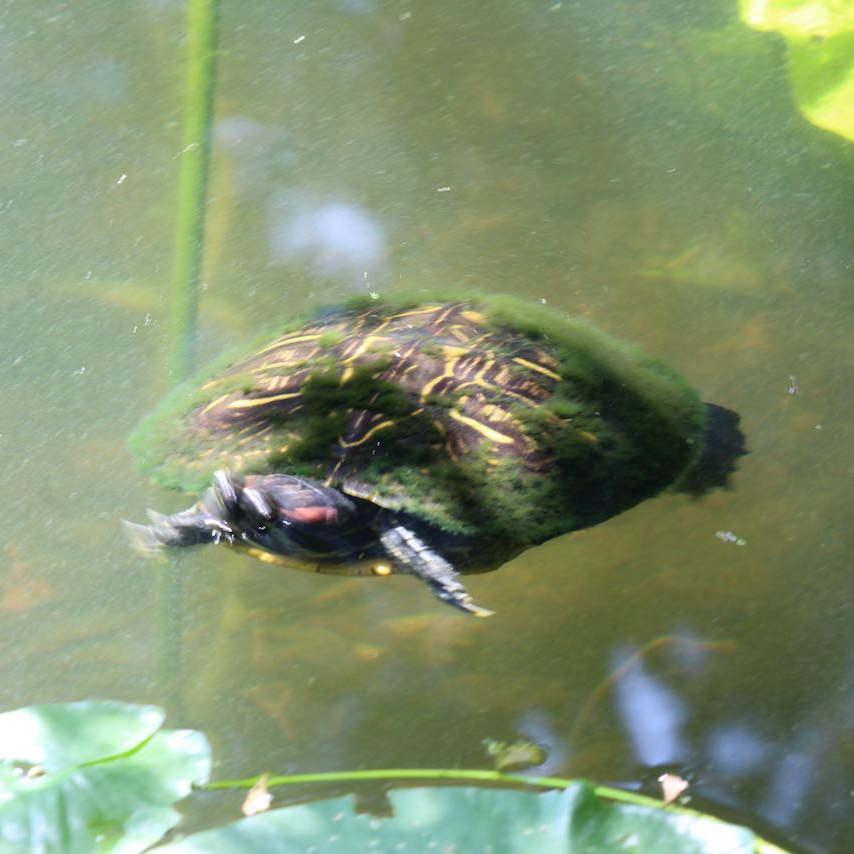
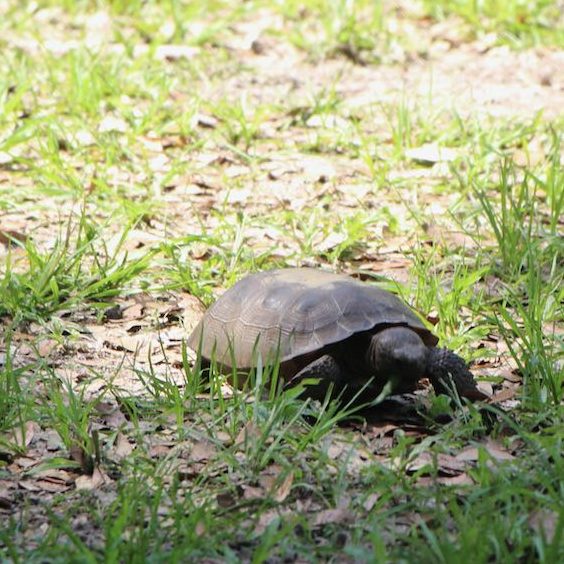
There were turtles in the water and trying to get to the water.
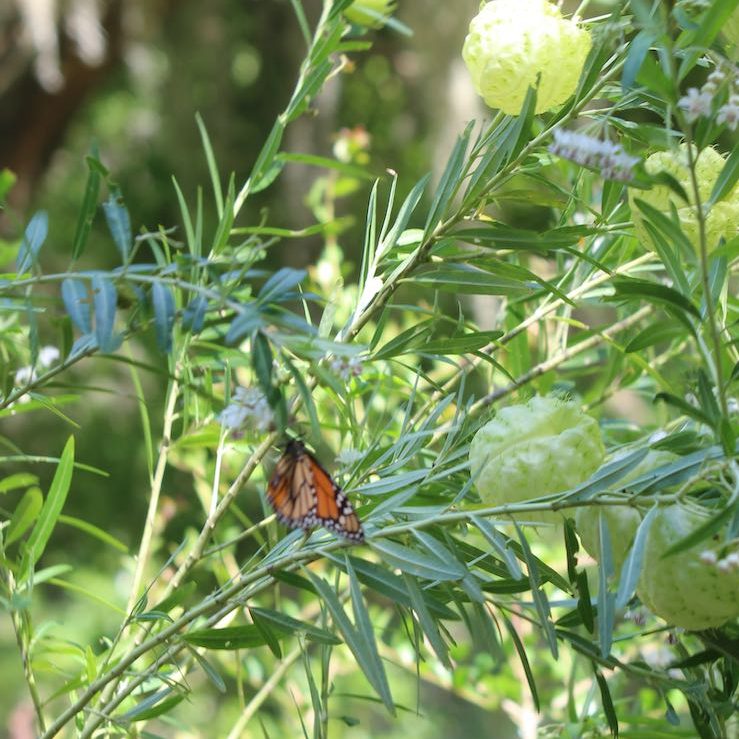
And there were more unlabeled plants and butterflies.

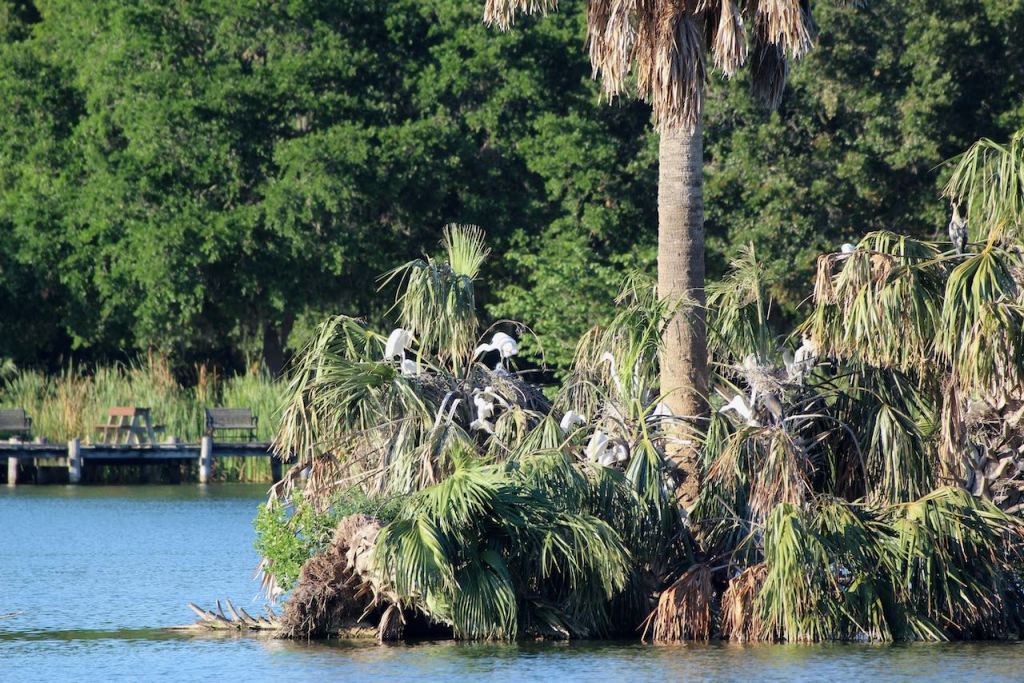
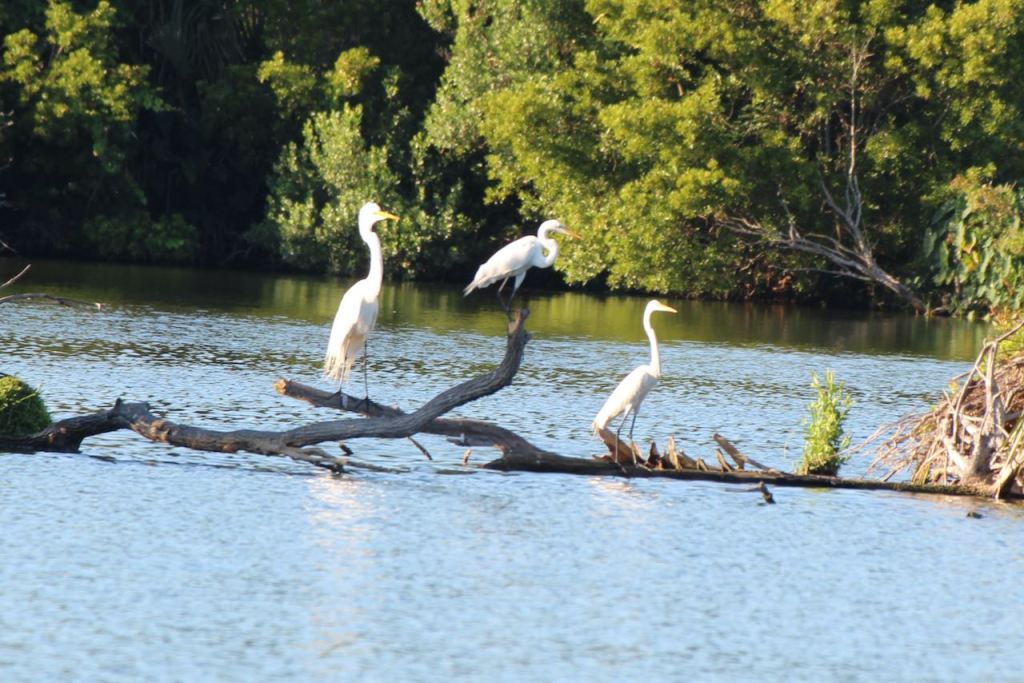
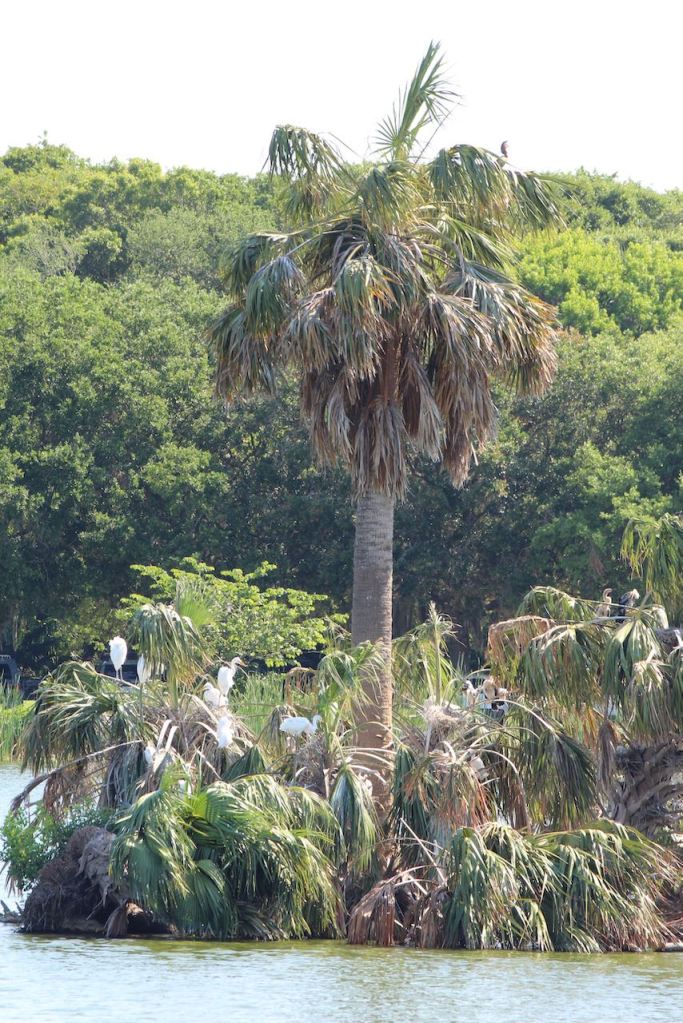
One of the things we like about this RV park is that there is a lake in the middle of it, and in that lake are several islands that act as rookeries for several species of shorebirds. This time our site was just across the road from one of the overlooks. We went there several times – here are some of the pictures that I took as various times during our visit. These are some wide shots of the islands – most of the white birds are snowy or great egrets, while the dark ones are anhingas.
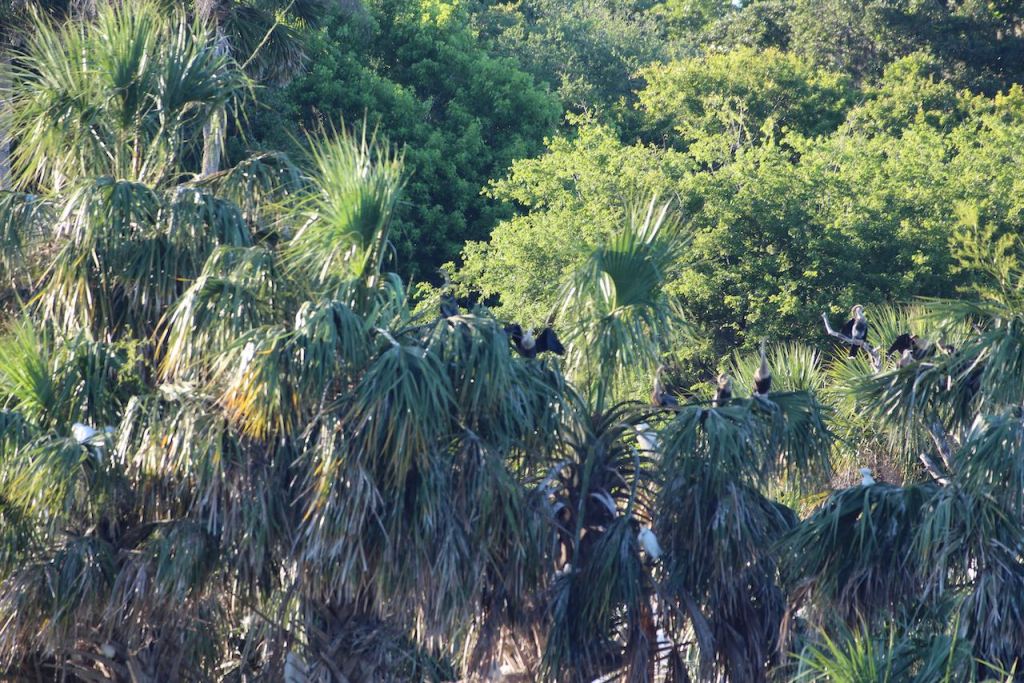
Some closer shots of great egrets and an anhinga.

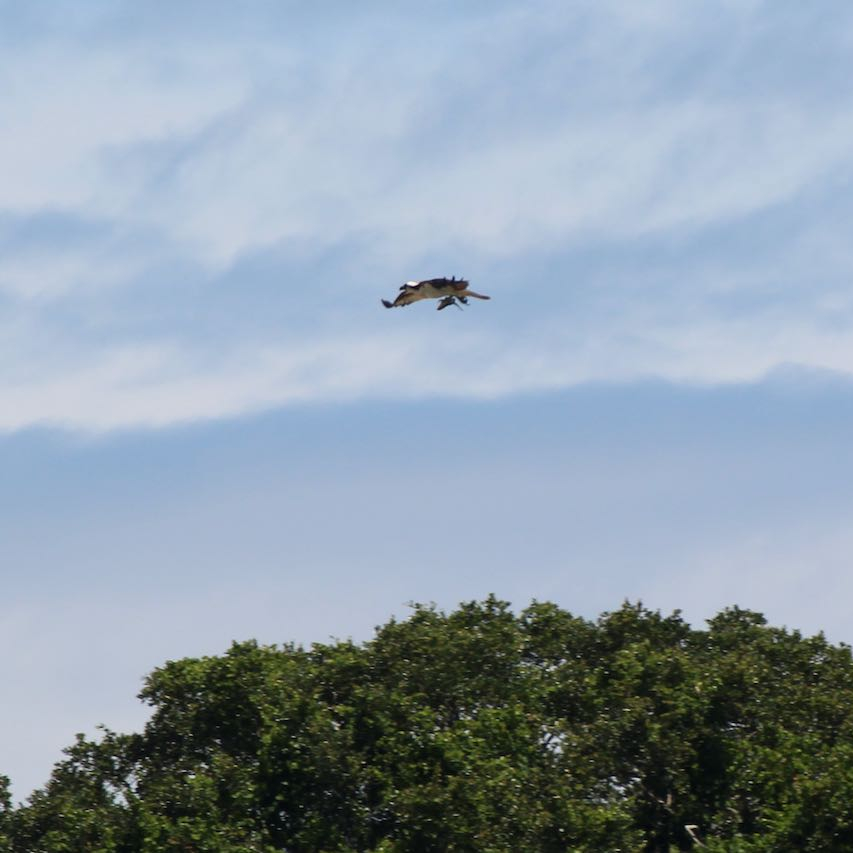
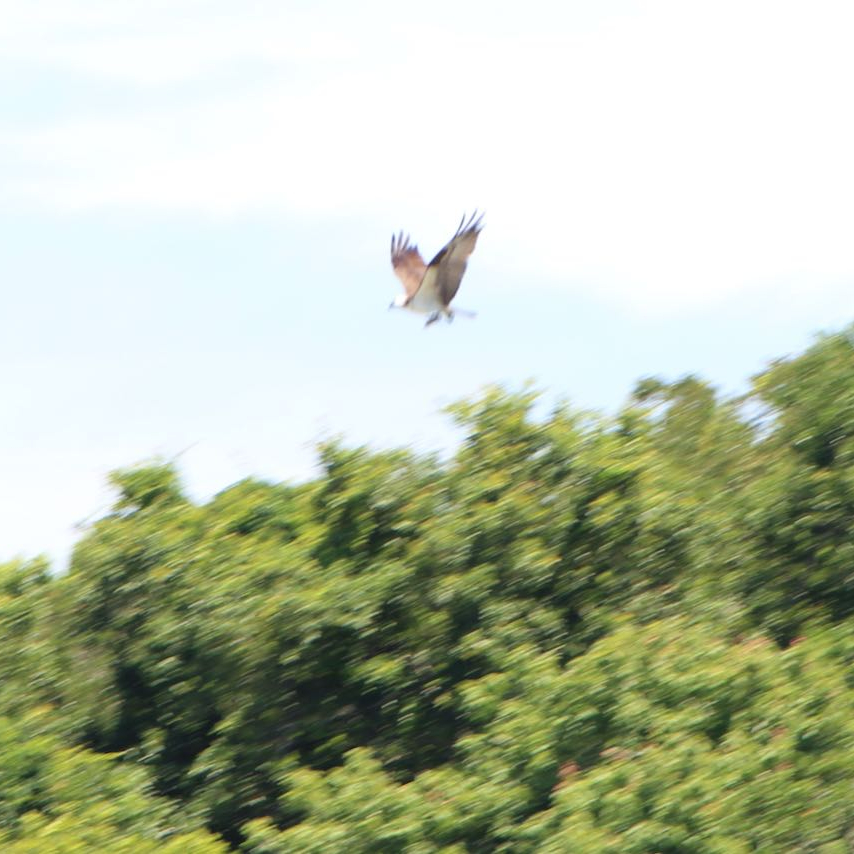
Shots of an osprey flying overhead – not sure what is is carrying – nesting material or an animal.
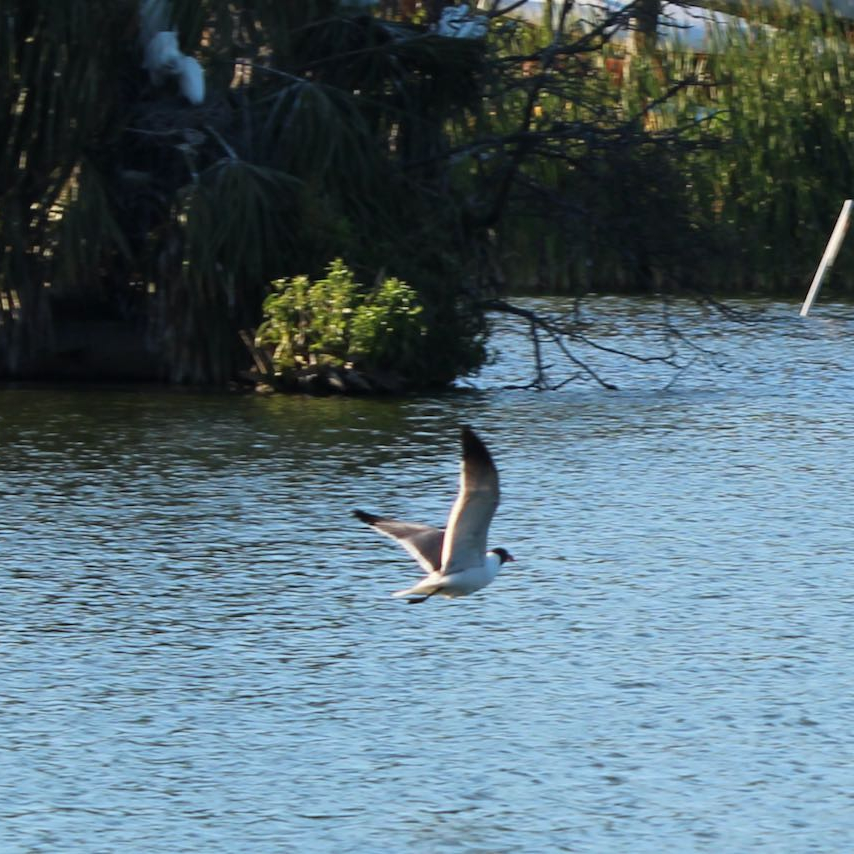
And here is a laughing gull flying down and fishing.

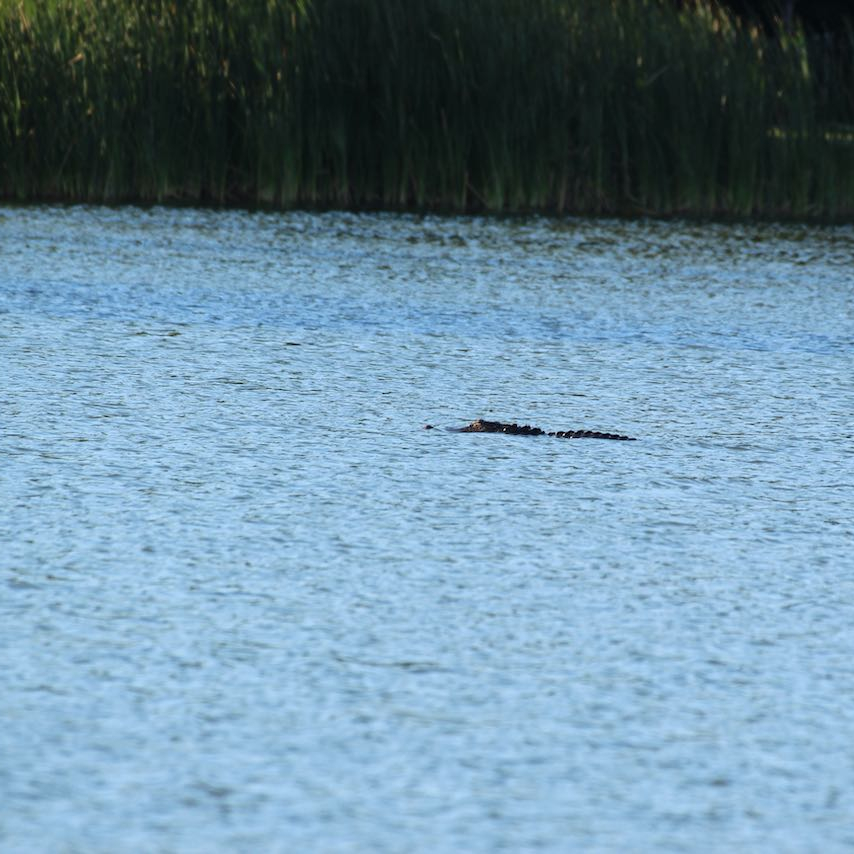
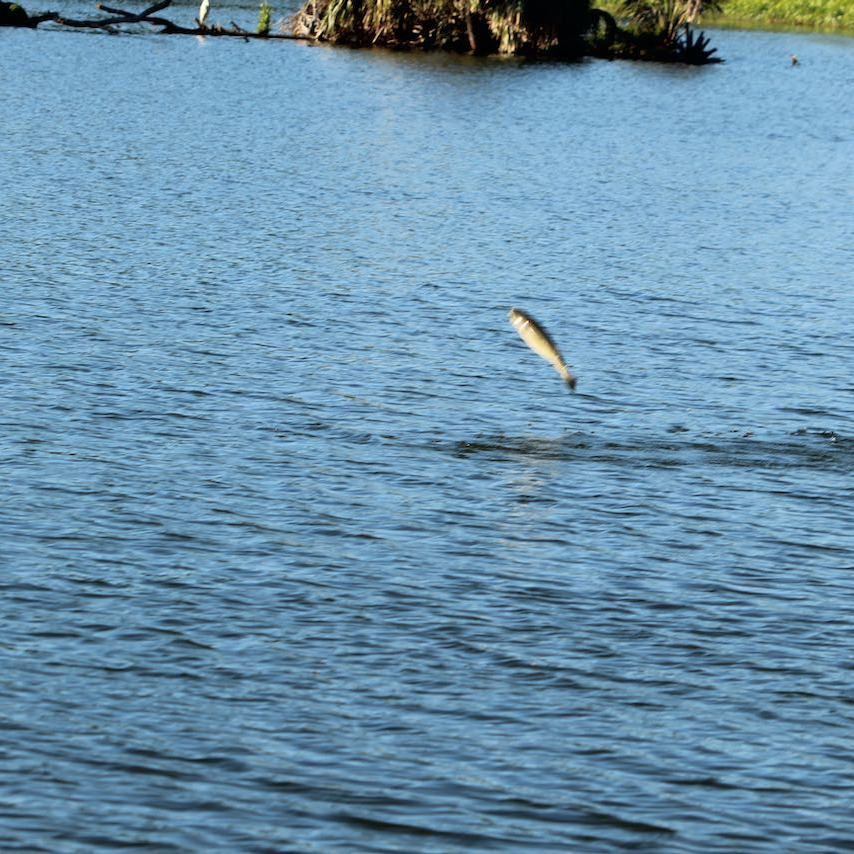
There are also alligators in the lake, and I was lucky enough to catch one of the fish jumping – they often jump two or three times in a row, so that’s what gave me the opportunity.
And here are some parting shots of the islands so you can get a last impression of just how many birds there are – and many of them are young and clamoring for their parents to feed them. It was a constant clamor that we could hear from our campsite.

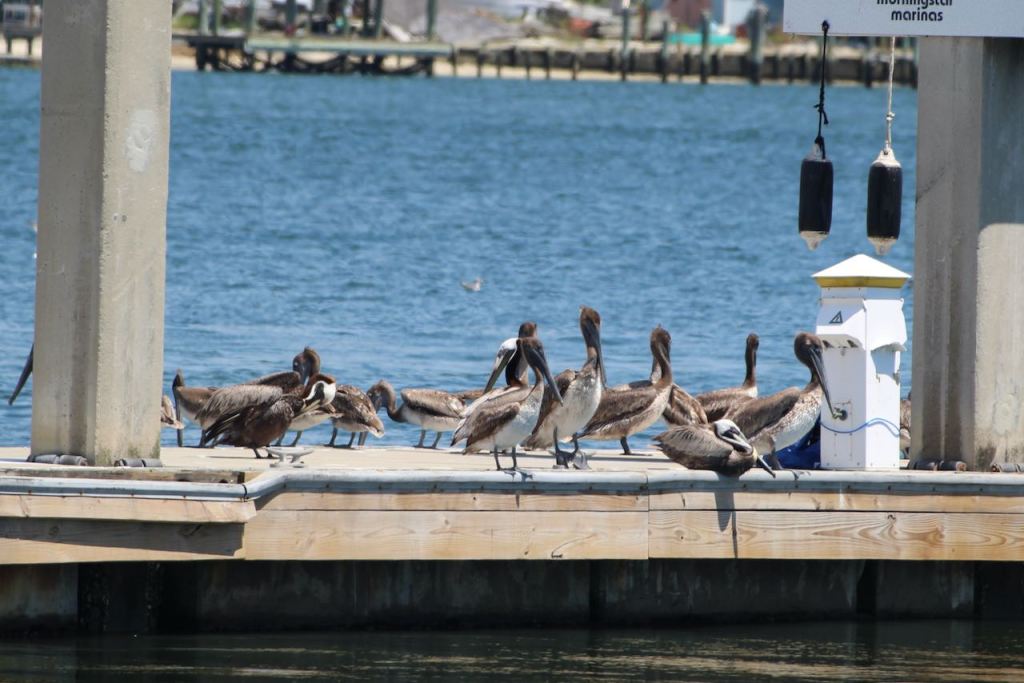
On Thursday, May 23, we decided to drive north to Little Talbot Island and Fernandina Beach. The easiest way to get there was to take the ferry at Mayport. We had a little wait, so I snapped some pictures of the pelicans and of the ferry arriving.

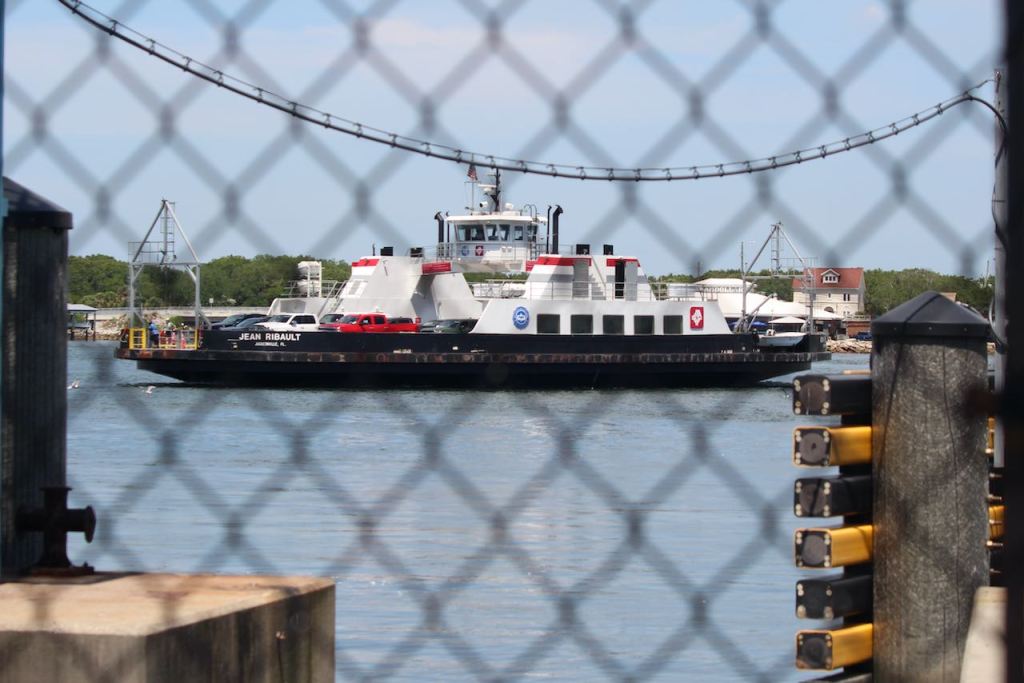

Then we were on ferry, and about 5 minutes later we were driving off.
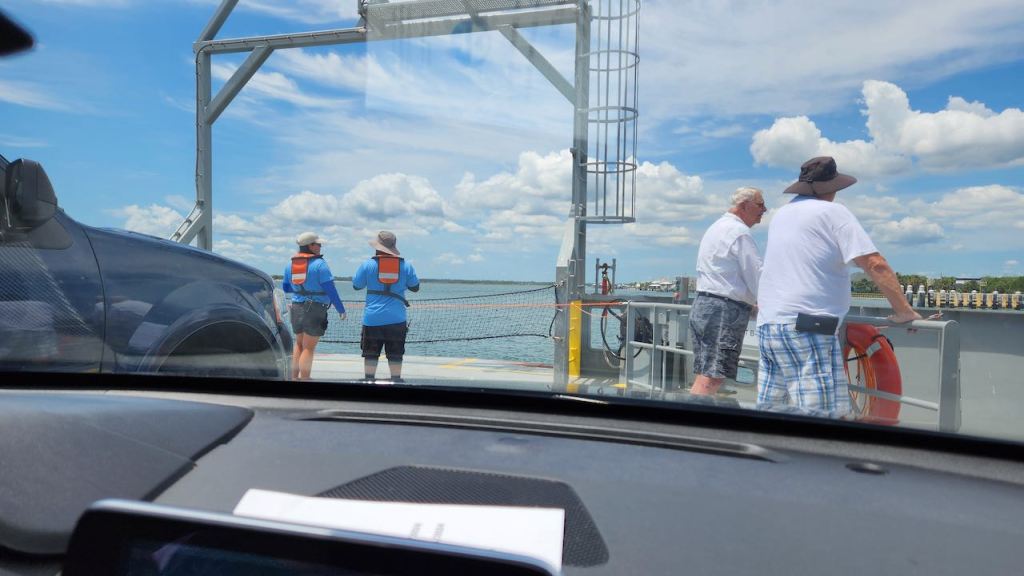
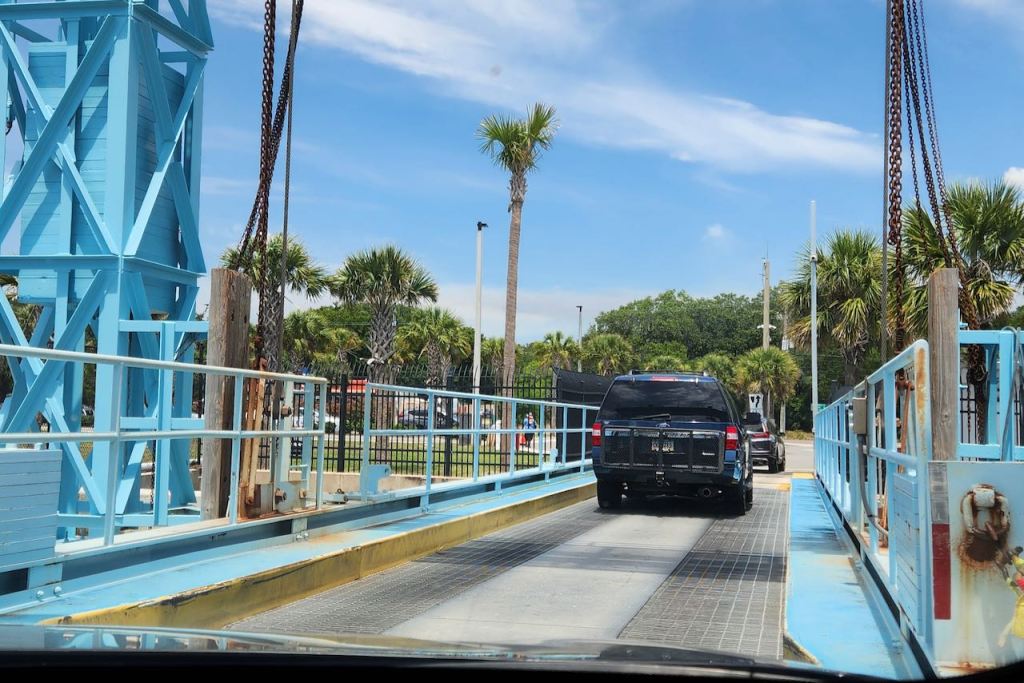
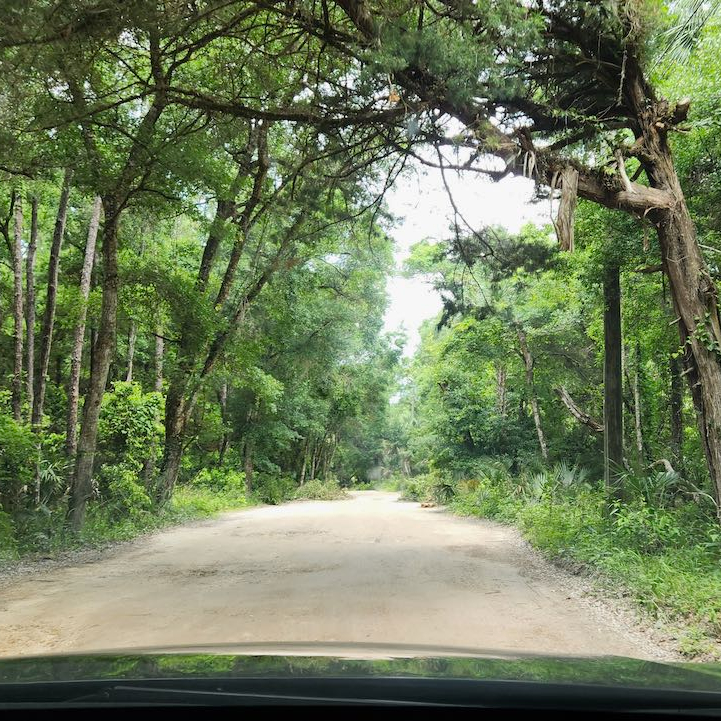
As were were driving north we spotted a sign for the Kingsley Plantation – with no set itinerary, we decided to stop. Trish didn’t think she had been there before, but once we got there and looked around, she thought she might have been there as a kid.

We were surprised to see this peacock as were driving in on a pretty long dirt road.

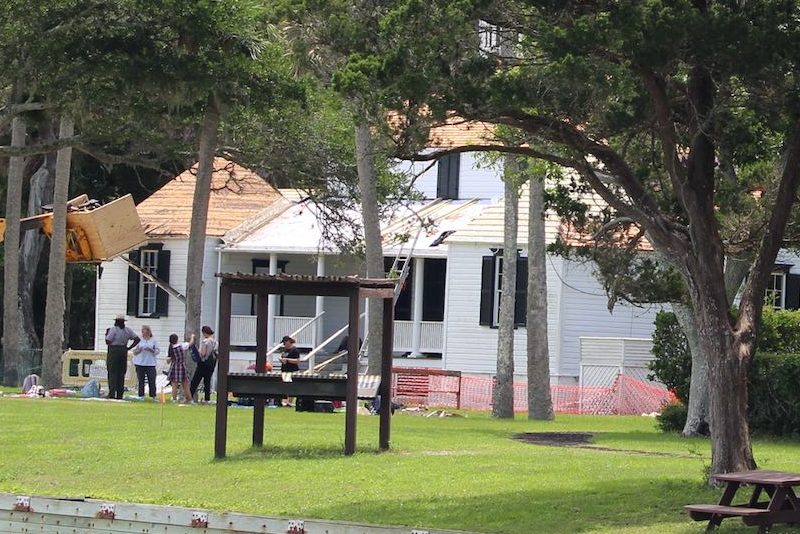
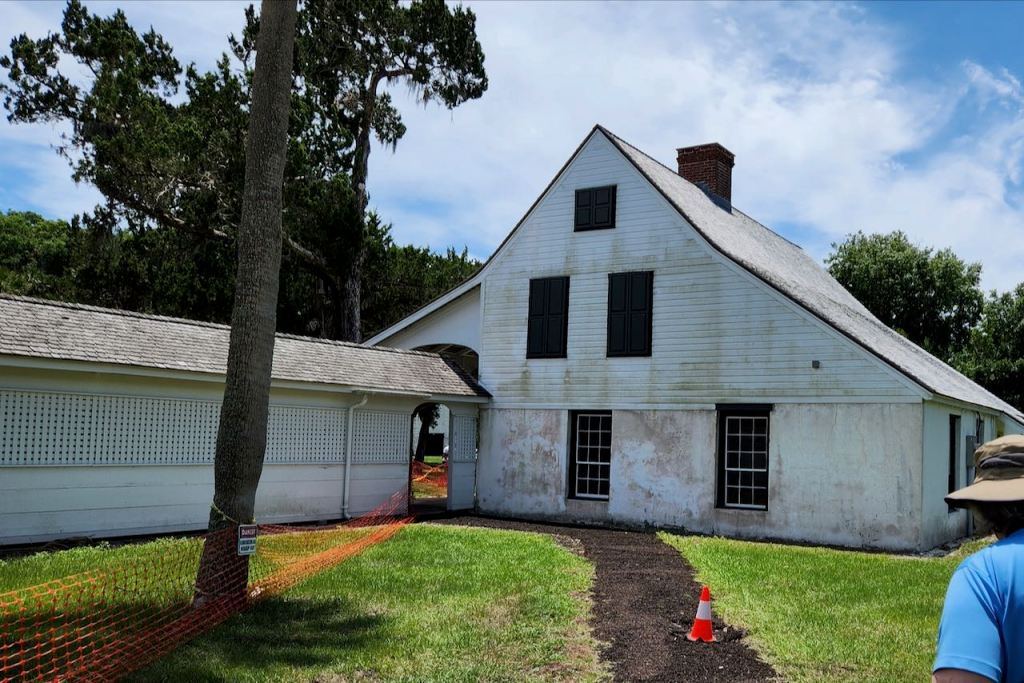
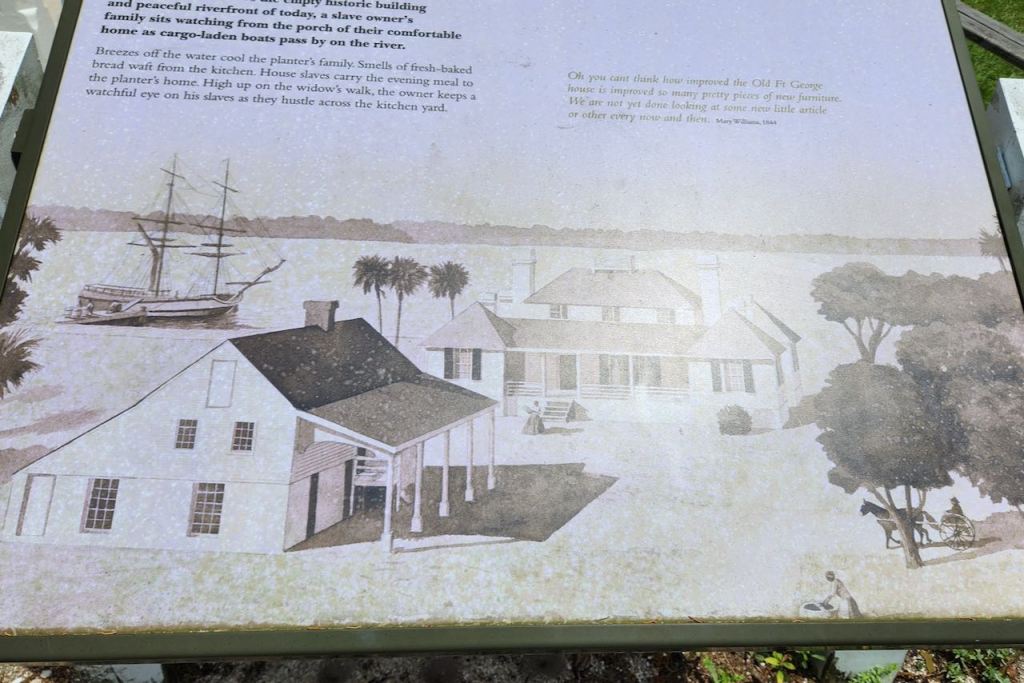
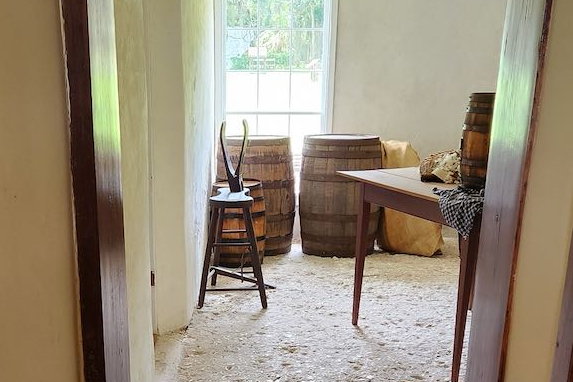
The plantation house was being re-roofed so we couldn’t go in – but we did find out that this is the oldest standing plantation house in Florida, having been built between 1797 and 1798. The attached kitchen is not really bigger than the house – it is a matter of perspective. The lower left is a shot inside the kitchen, showing the floor made of tabby concrete which is made by burning oyster shells to create lime, then mixing it with water, sand, ash and broken oyster shells. It was used for construction in Florida, Georgia and South Carolina in the 1700’s.
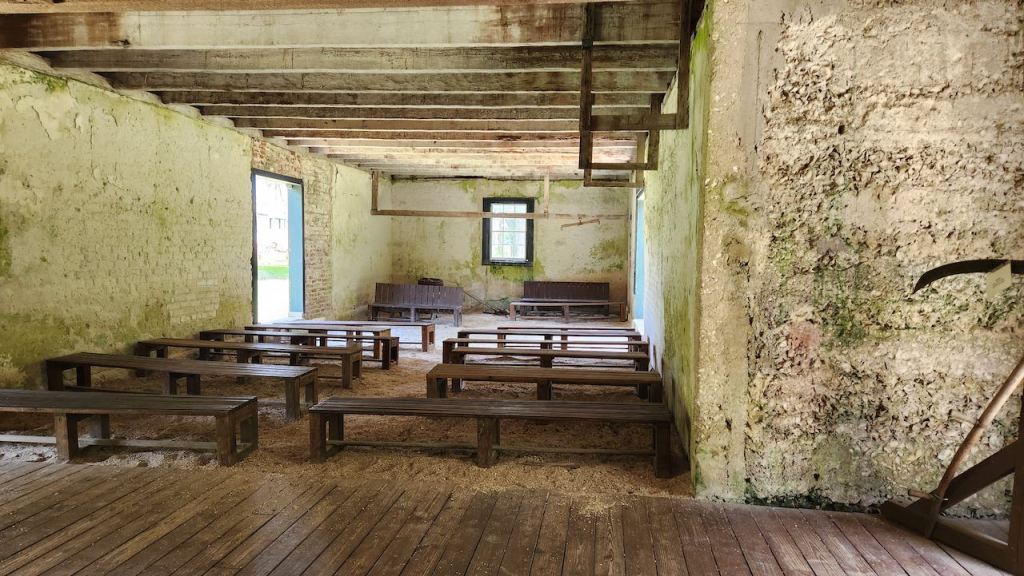
Below is the outside and inside of the tabby barn – besides a barn, it was used to boil the syrup from sugar cane – through that was not a big crop for the plantation and was mostly consumed on site. The biggest crop on the plantation was cotton.

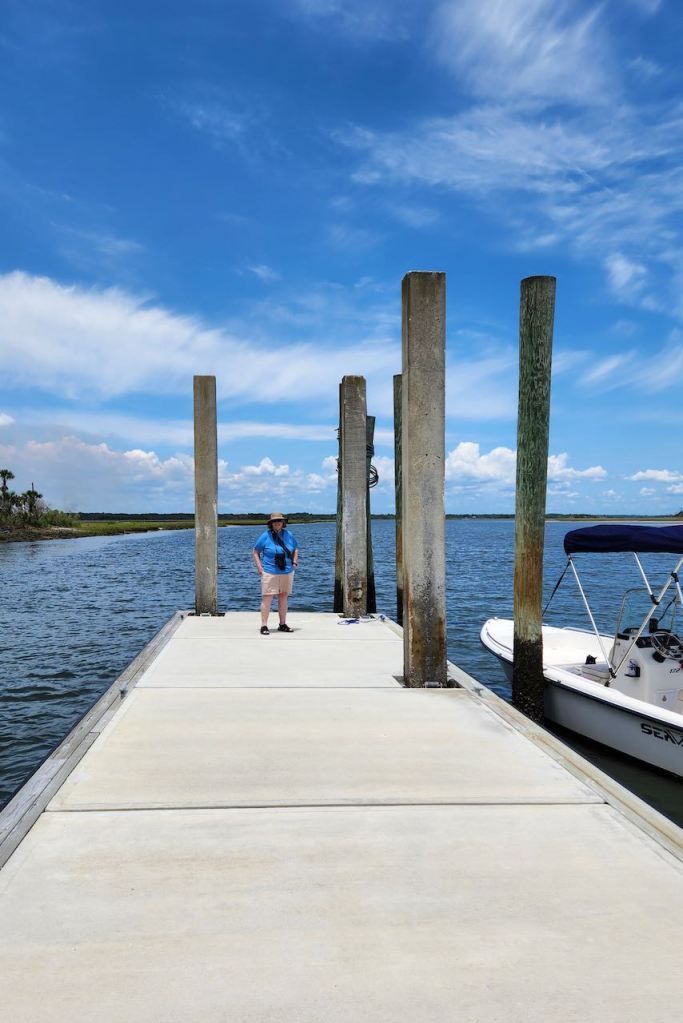
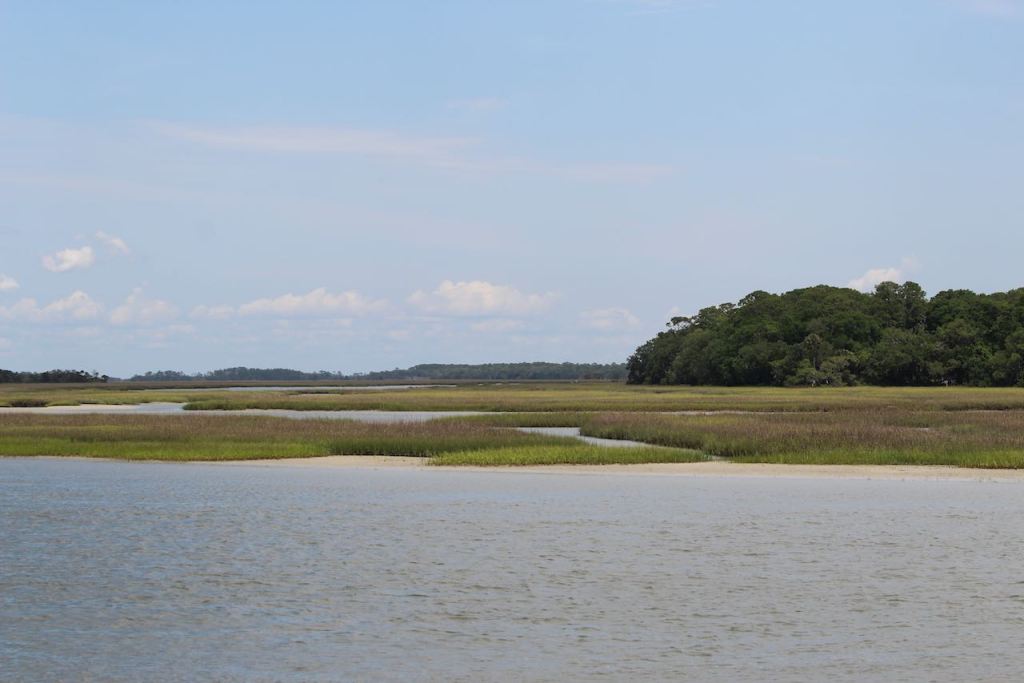
We took a walk down to the dock – saw another great egret and just enjoyed the view. The plantation once occupied all 720 acres of Fort George Island – these remaining buildings are on 60 acres at the northern end of the island and over look the Fort George River.

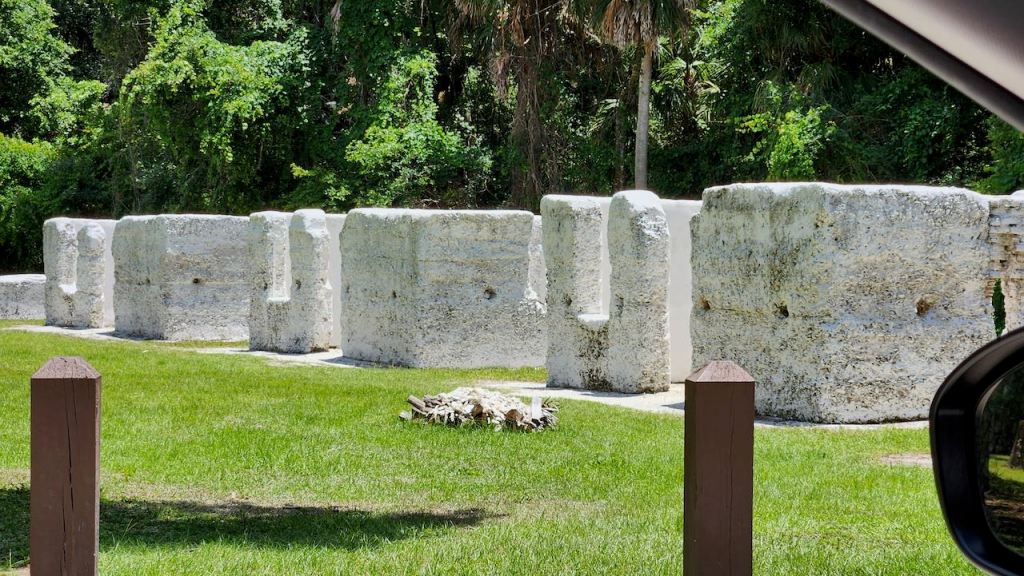
The biggest business of the plantation during the Kingsley era – from 1814 to 1836 – was slaves: buying, selling, and training them. It’s quite a contradiction because Zephaniah Kingsley married one of his slaves, Anna Jai, freed her after 8 years and she ran the plantation. Because of the difference in Spanish and US law – this area changes hands’ several times in the early 1800’s – she also inherited the plantation and ran it for about 6 years after Kingsley’s death. Below is a picture of the slave quarters – they are also made of tabby and there were 32 of them set out in a semi-circle. There are 25 of these ruins remaining, one of the best preserved sites for slave cabins.
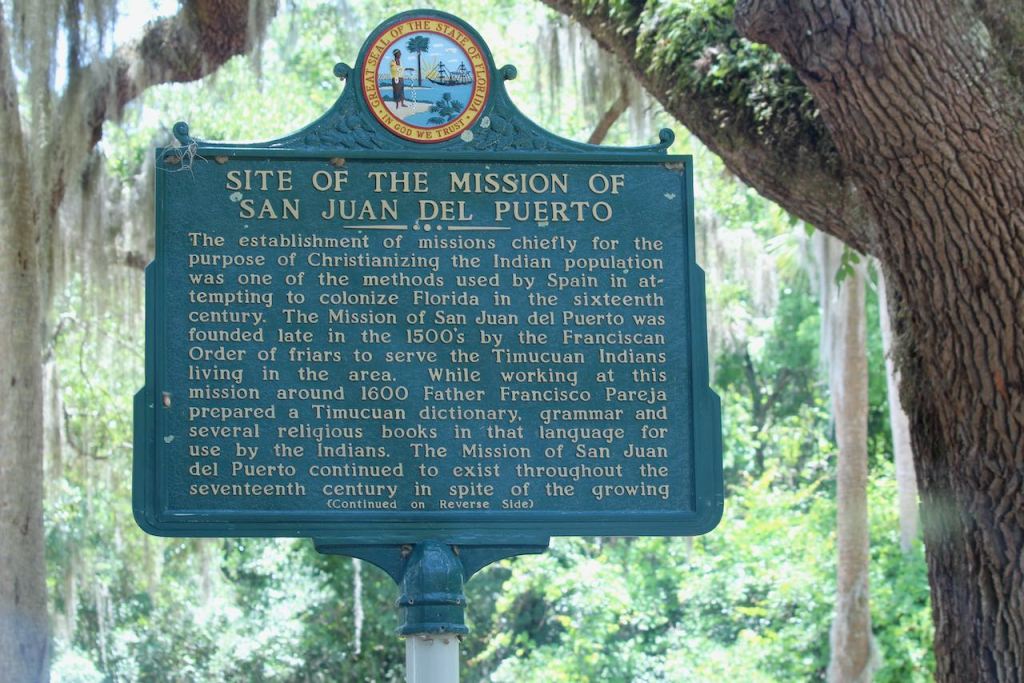
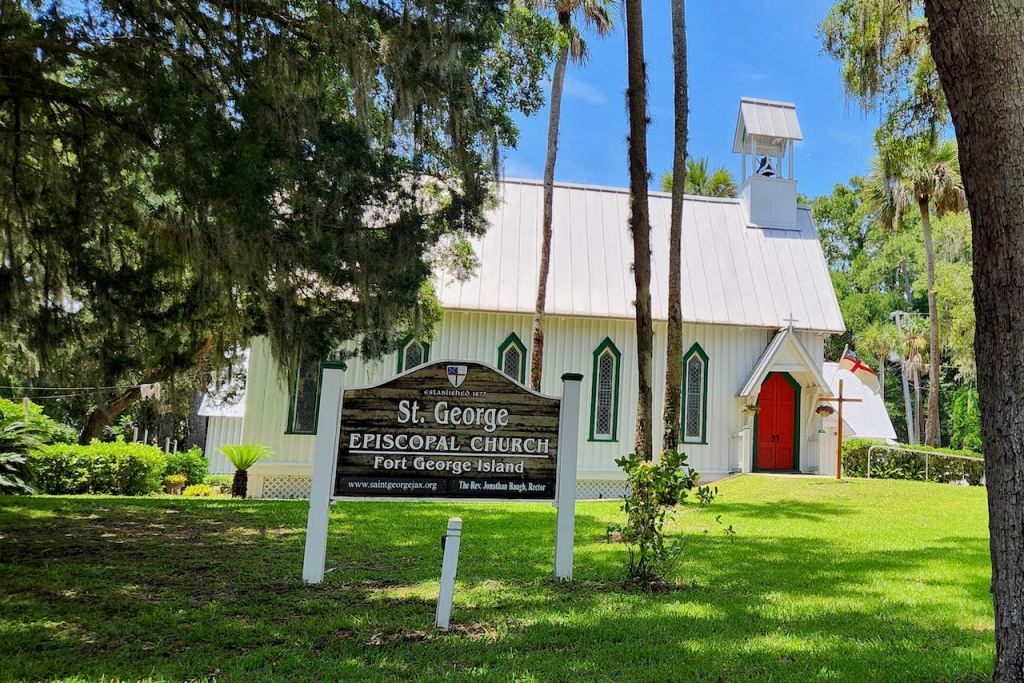
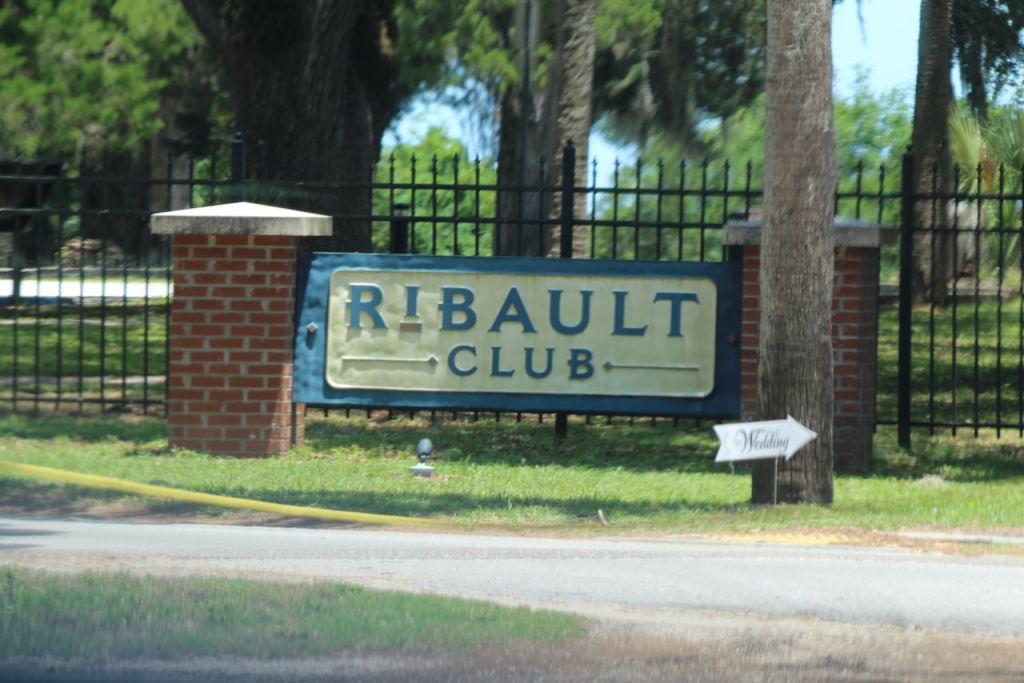
Driving off Fort George Island, we saw the site of an old Spanish mission, this Episcopal Church built in 1852 and the Ribault Club – which was part of a winter resort club in the 1920’s and is now rebuilt and used as the visitors center for the island.
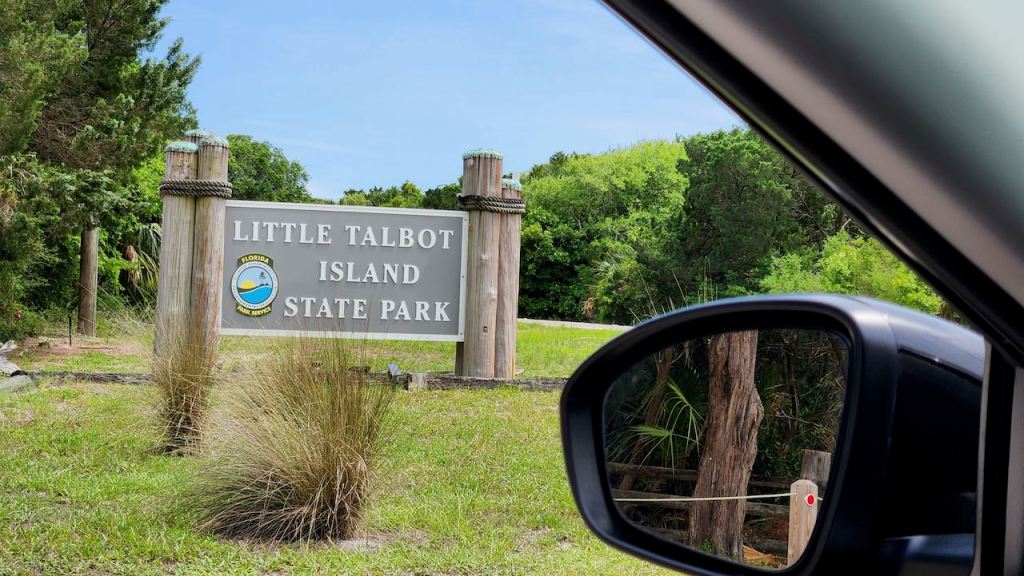
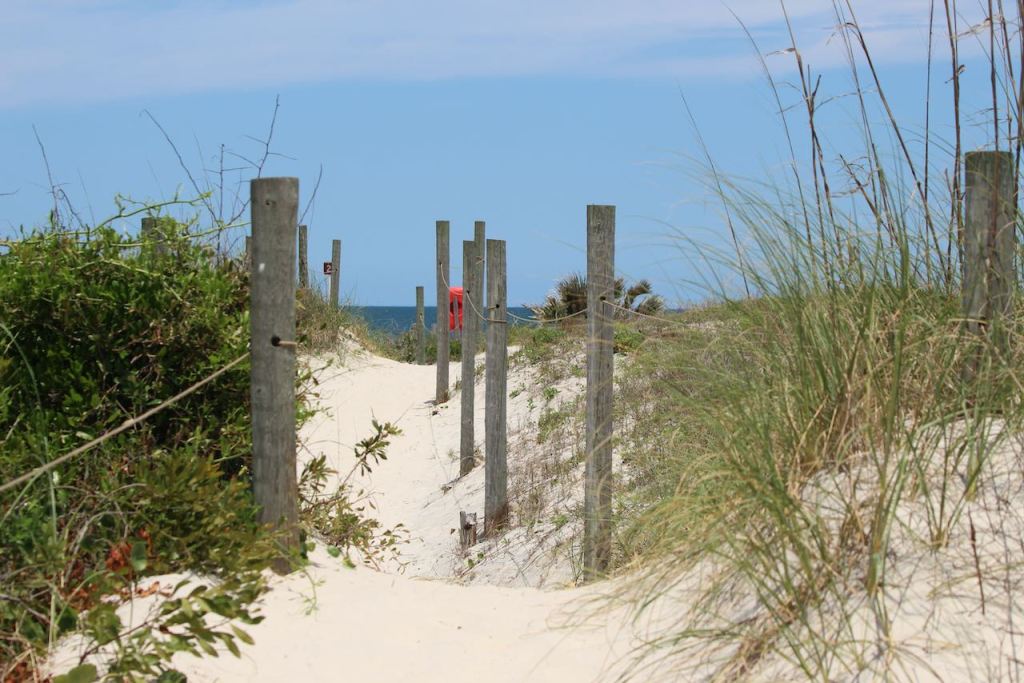
After our visit to the plantation, we went to Little Talbot Island and had our picnic lunch. I walked out to the top of this dune, and looked down the beach to see that there was actually a boardwalk further down. Much easier walking – so off we went over there to walk over the dunes.
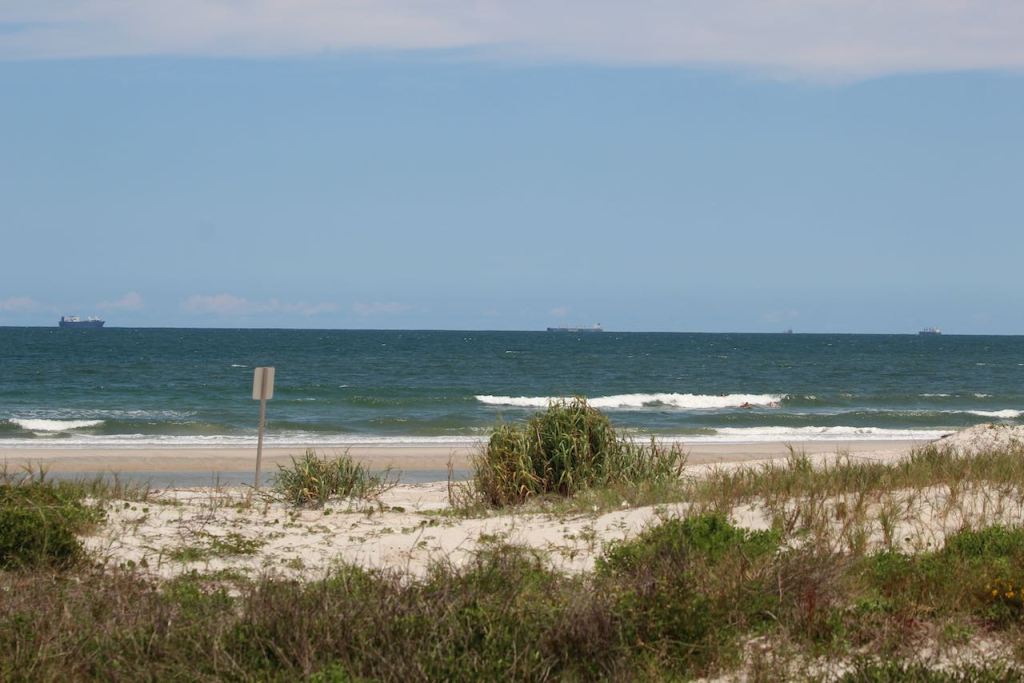
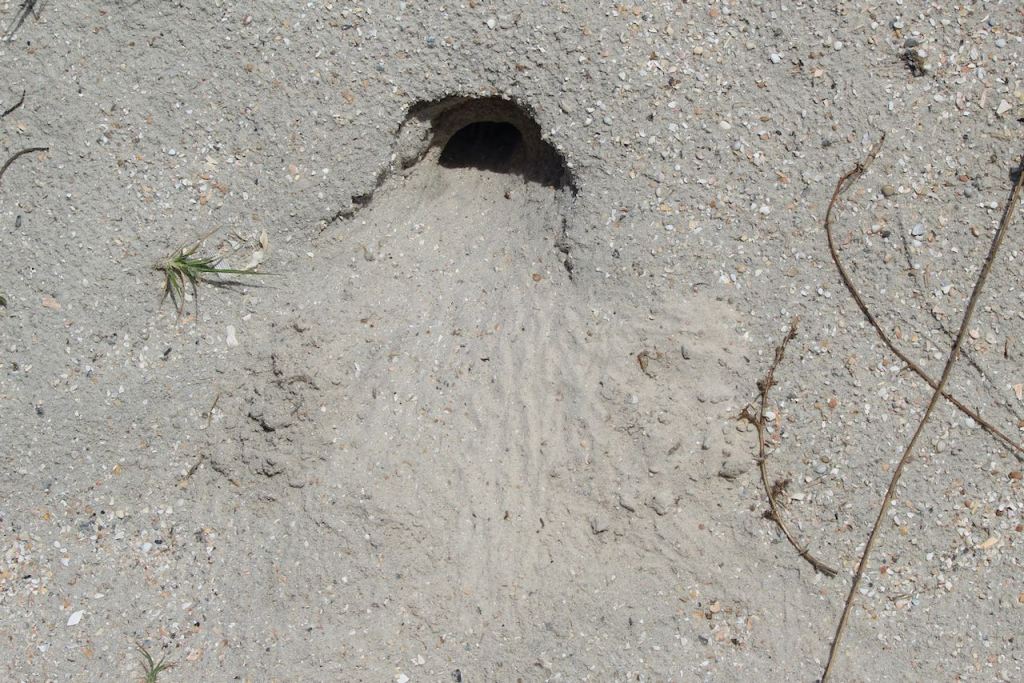
If you look closely at the horizon in the left picture, you will see the ships lined up – I expect for the port at Jacksonville. And that is a turtle nest on the right.
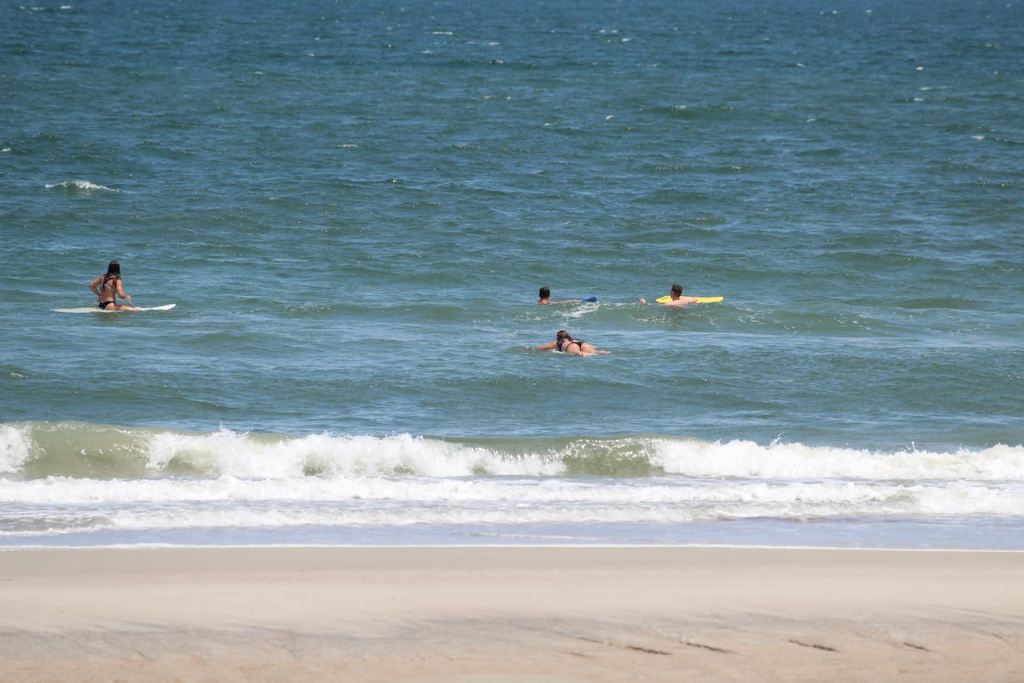
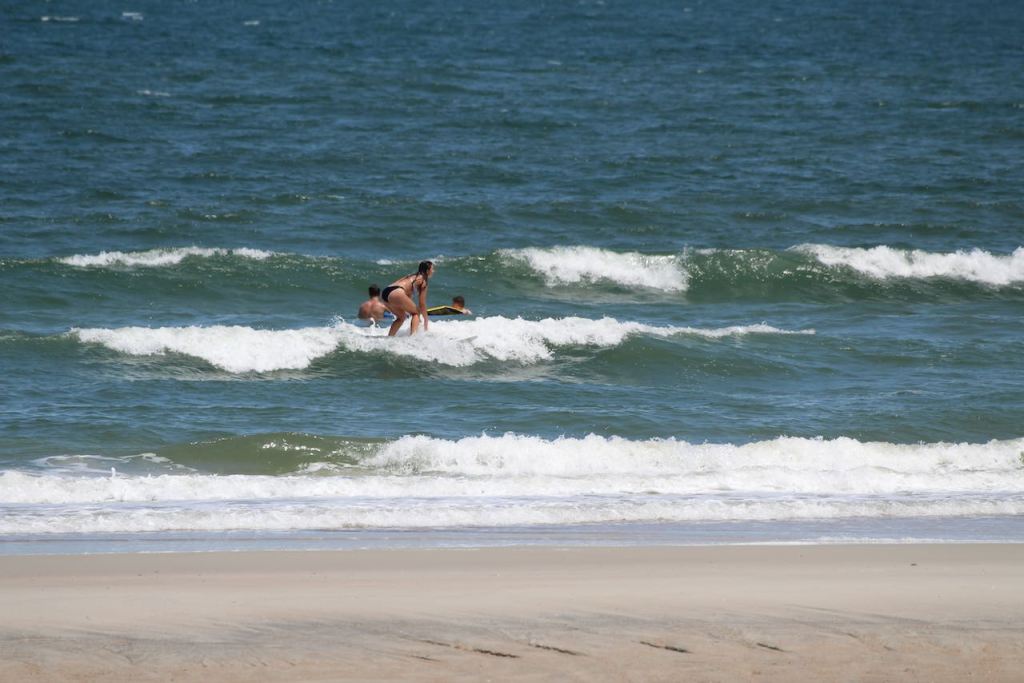
There were some folks trying to surf, but the waves were pretty small.
This raven was looking for food on somebody’s chairs and there were laughing gulls hanging around.


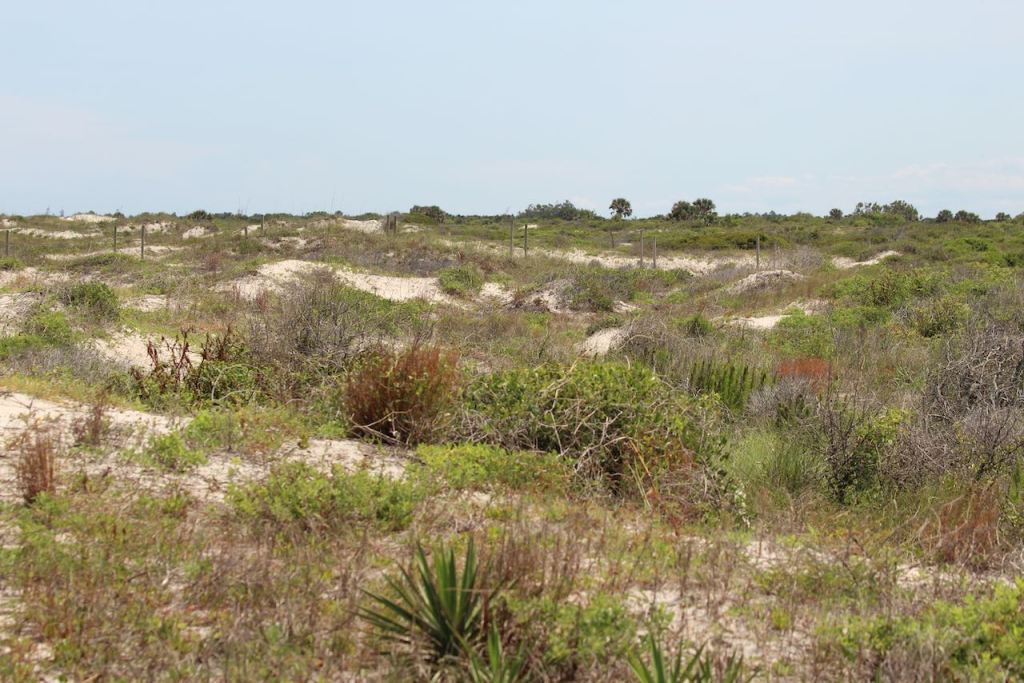
Here are the dunes we walked over on the boardwalk and if you look close you can see that Trish is “holding” a mocking bird in her hand.

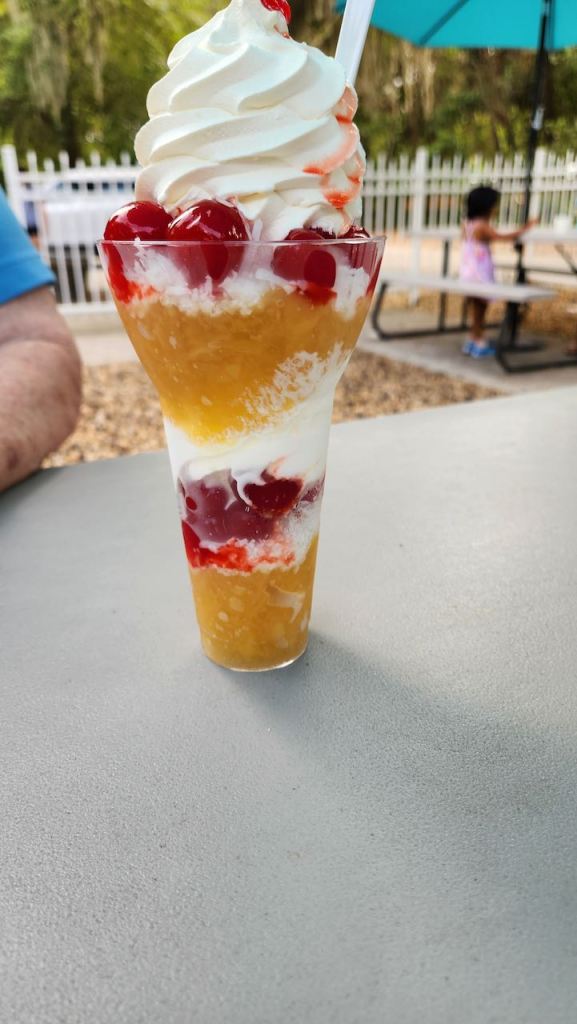
We drove to Fernandina Beach to get some ice cream at Denucci’s – Trish got this pineapple/cherry thing, but between all the whipped cream there was not enough ice cream – and my cup of ice cream was just so-so – we won’t be going back.

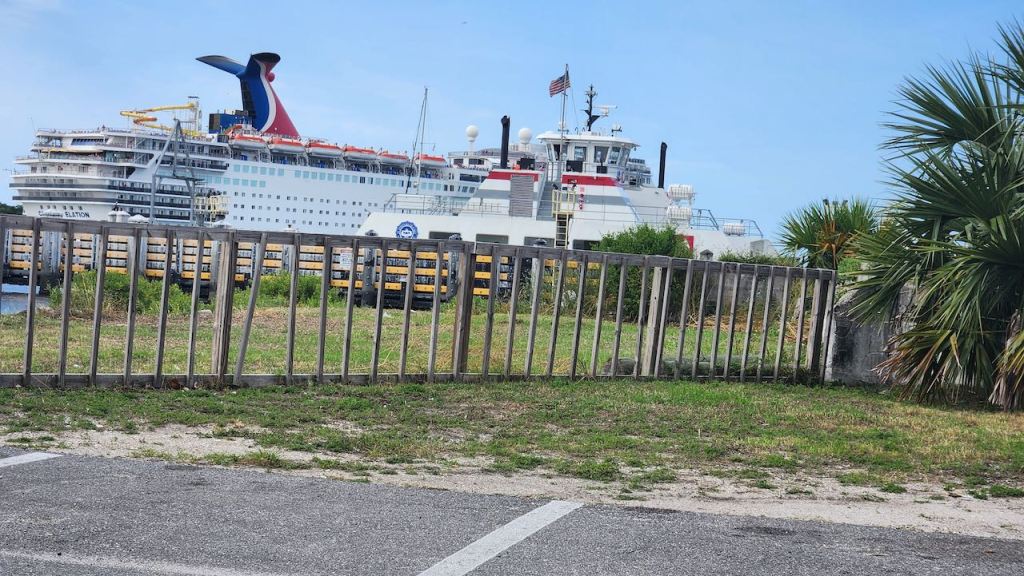
When we went back across the ferry, we were surprised to see this cruise ship steaming away.
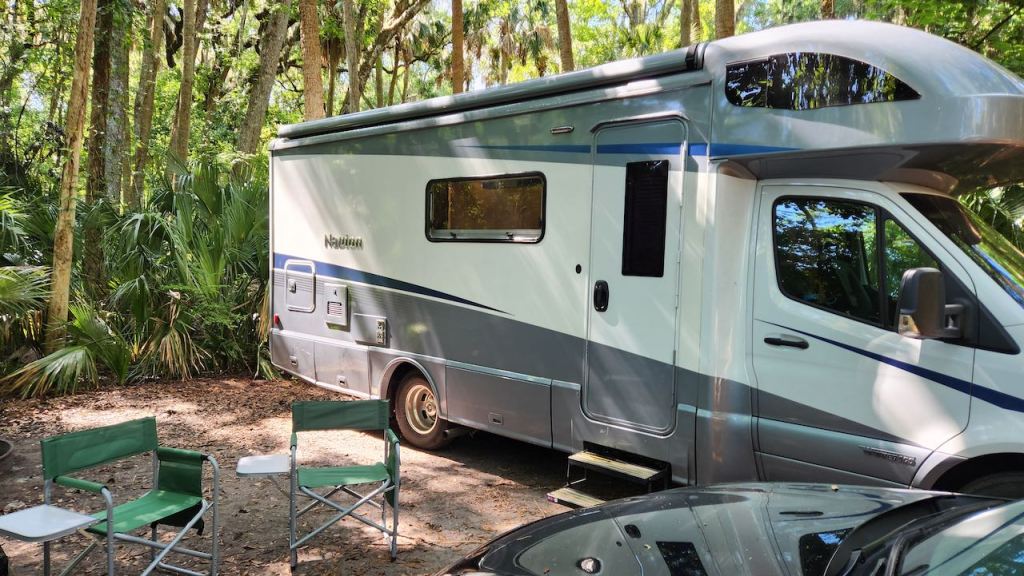
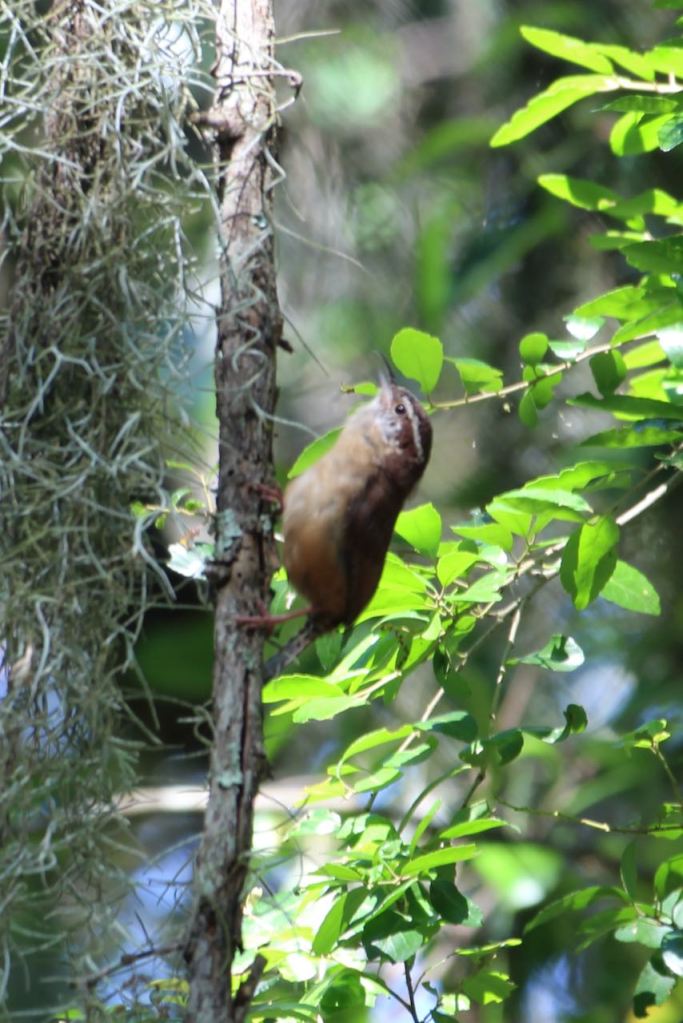
Back at the campsite relaxed we relaxed in our camp chairs and listened to the birds – that’s a Carolina wren and a red-bellied woodpecker – the woodpecker was directly above my head.

On Friday, May 24 we dropped off the car and made our way to Winter Park.
More about that next time.
Until then, safe travels!
 Trish & Anne RV Adventures
Leave a comment