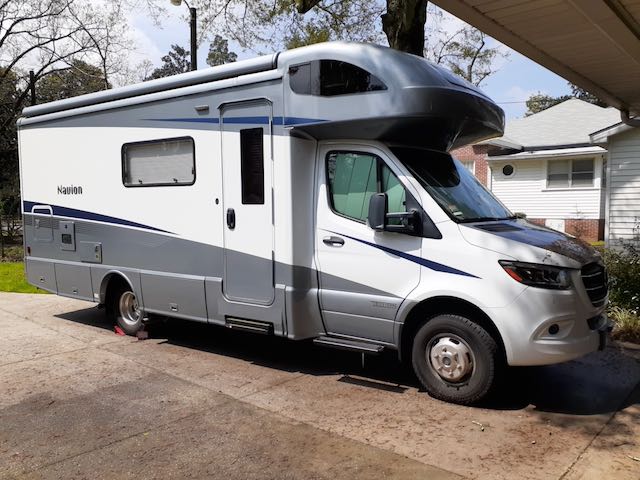
We left Winter Park on Monday, May 16 and headed to Jekyll Island – one of the barrier islands of Georgia.

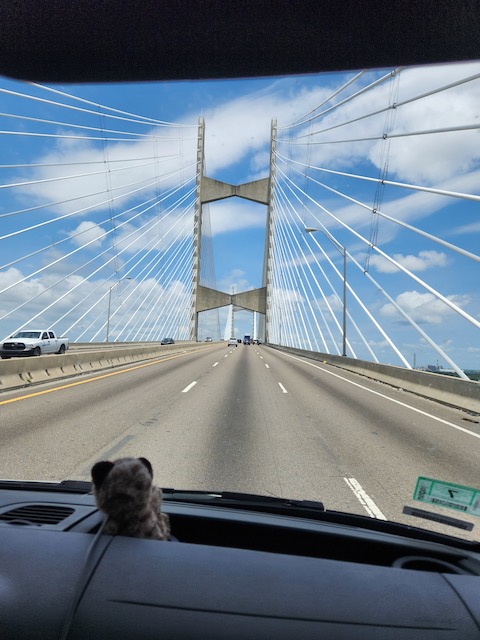
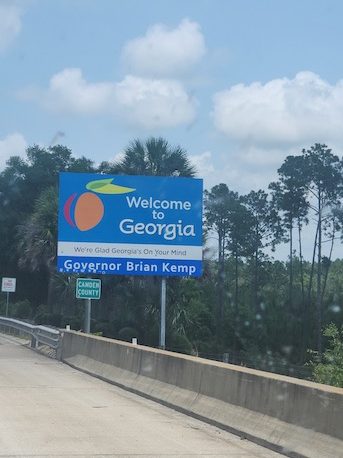
On the way we hit 20k miles on our new unit (we have driven over 50k RV miles including our last RV.) We drove back over the Saint Johns River and eventually got back to Georgia.
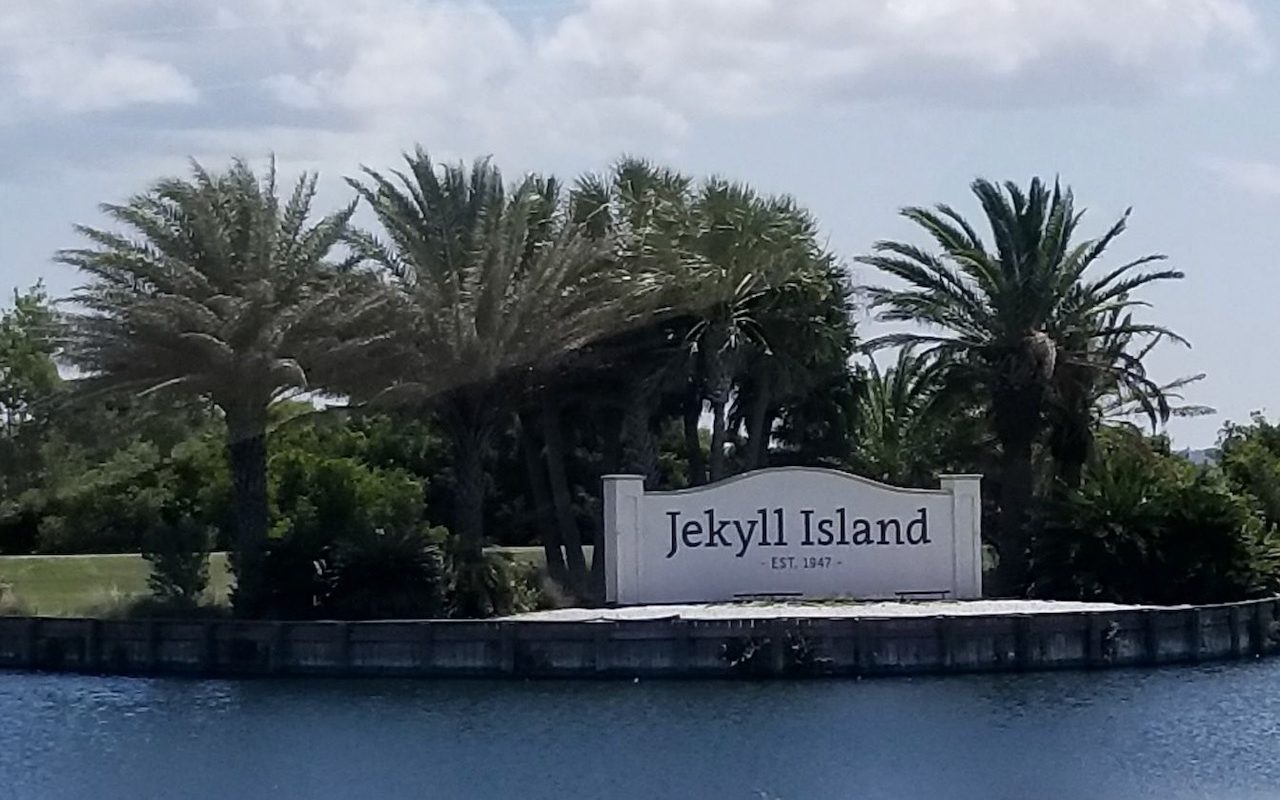
Then we arrived here.

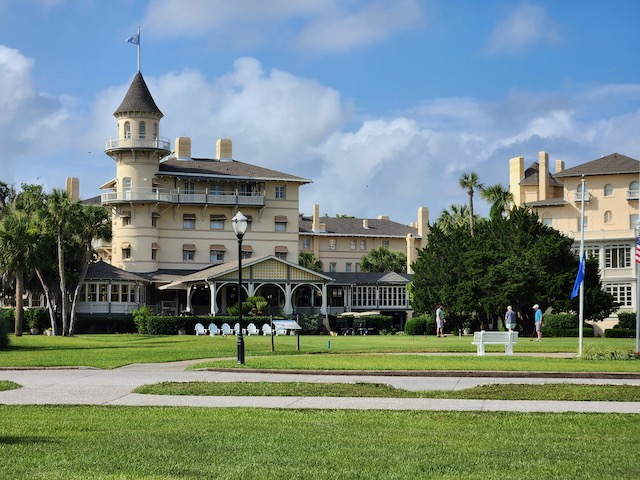
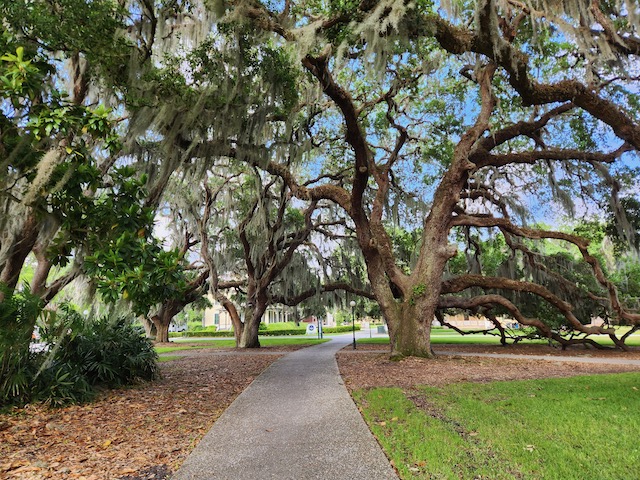

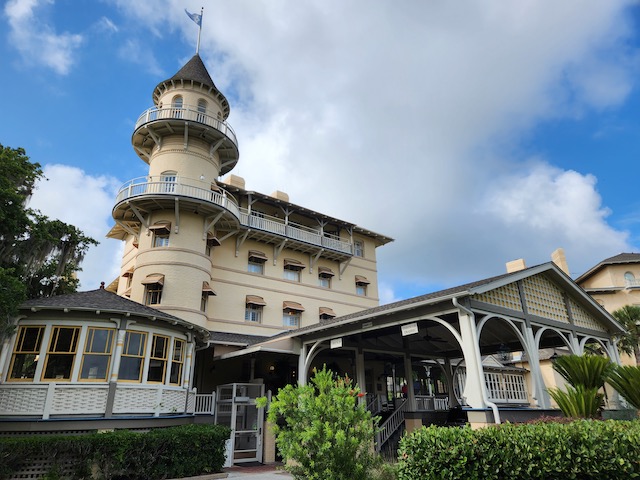
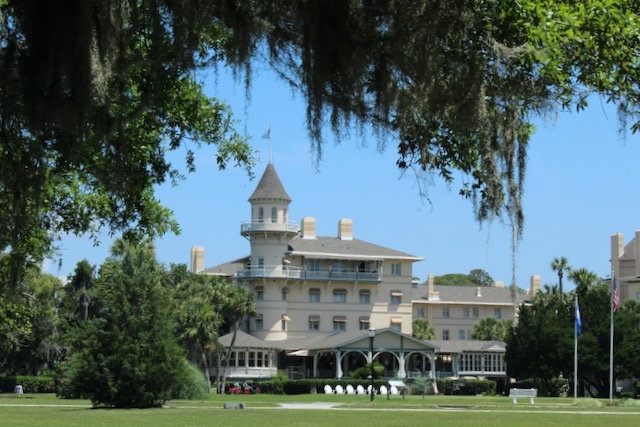
Trish’s niece Whitney joined us for this part of the trip and she arrived at the campground shortly after we got the RV set-up and we had some time to explore the island. After getting some lunch, we headed into the historic district where we ogled over the Jekyll Island Club. It was founded in 1886 by many of the richest people in the US at the time – folks like J.P. Morgan, Joseph Pulitzer, William K. Vanderbilt, Marshall Field, and William Rockefeller were all shareholders. For them it was a winter retreat and hunting club. We didn’t realize what everything was until we took a trolley tour the next day – more on that later.
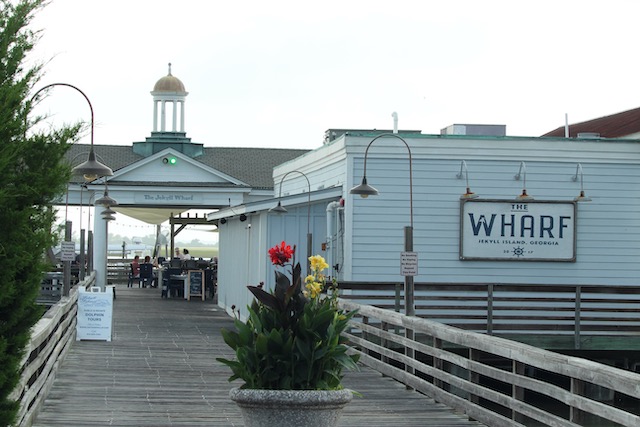
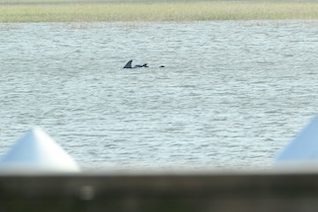
We then had a drink at the restaurant on the wharf where we spotted some dolphins in the river.
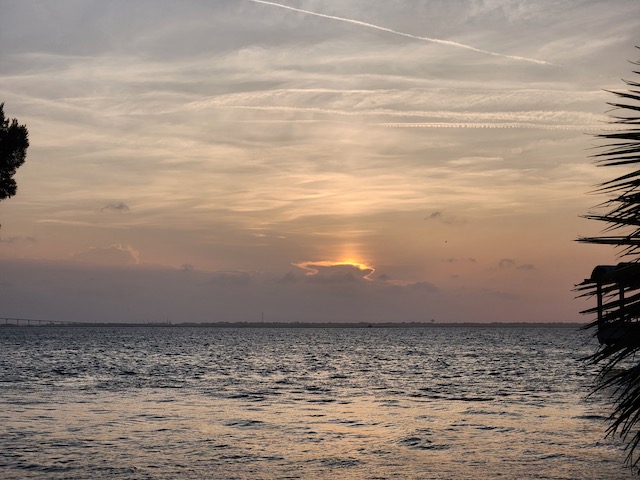
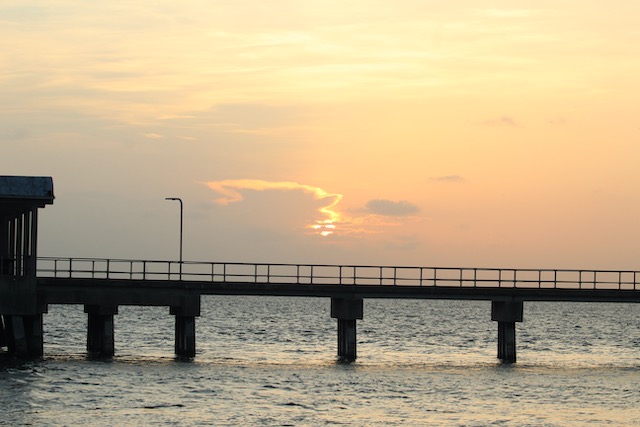
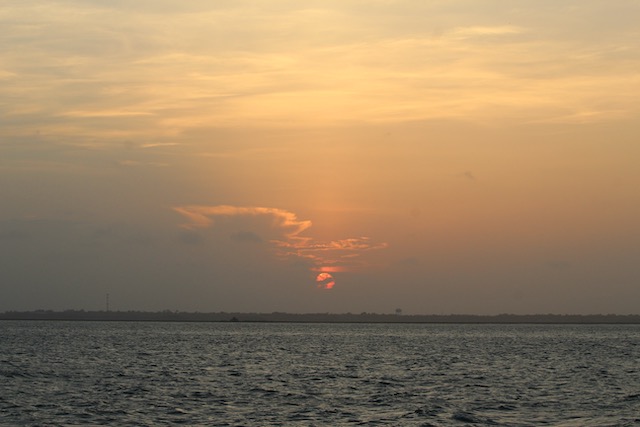
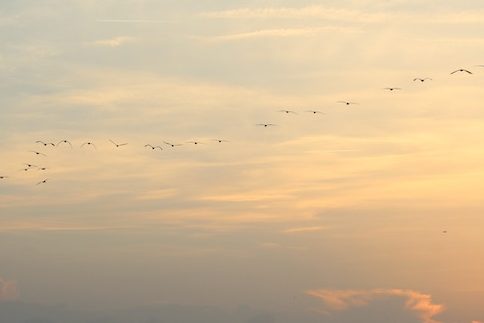
Last stop of the day was at the fishing pier to watch the sunset – not sure you can tell but that is a line of pelicans in the lower right picture.
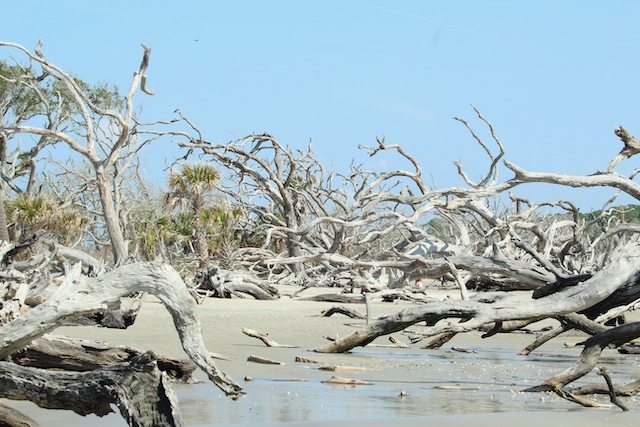

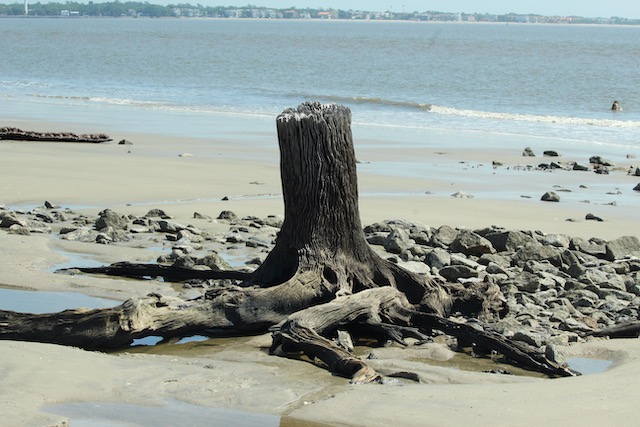
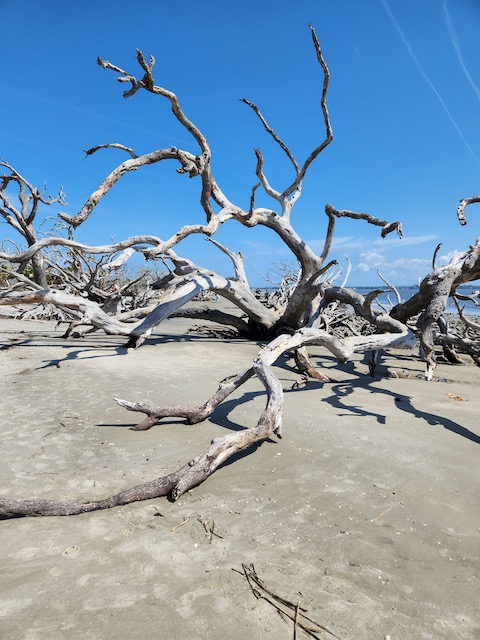
Our first stop on Tuesday morning was Driftwood Beach – can you figure out why it was named that? Apparently this area used to be a forest and erosion has caused the trees to turn into this driftwood. It’s kind of eerie.

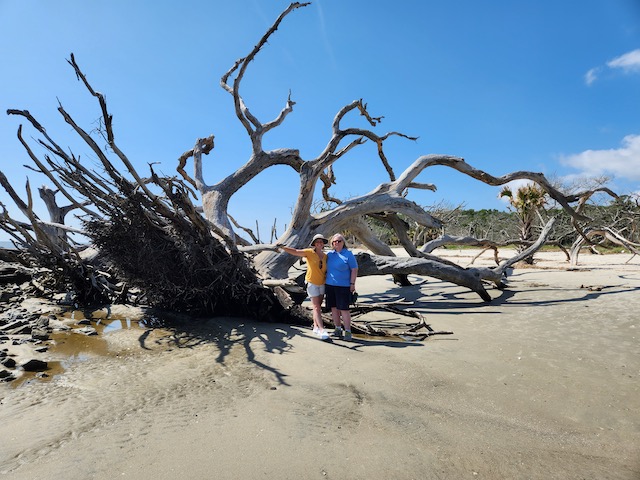
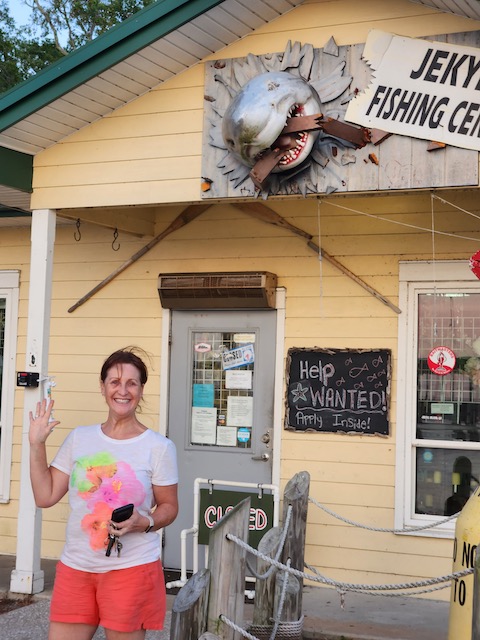
To give you an idea of how big these things are, here are two photos with us in them.
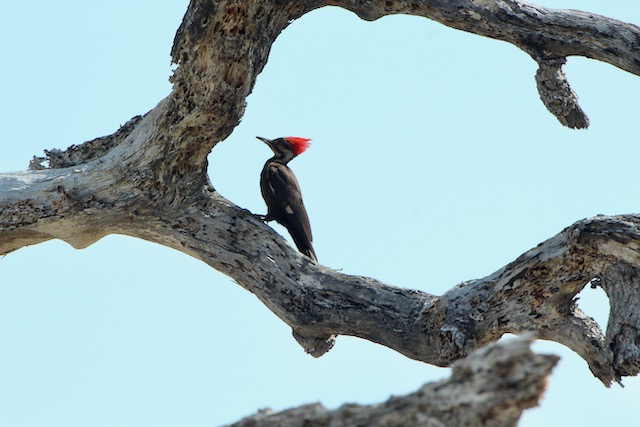

Our next stop was the Jekyll Island Museum – where we discovered that the first transcontinental telephone call made in the United States included someone on Jekyll Island. The call included President Woodrow Wilson in Washington, DC, Alexander Graham Bell in New York, Thomas Watson in San Francisco, Henry Higginson in Boston, and AT&T President Theodore Newton Vail on Jekyll Island, GA. They had to string extra wire to get to Jekyll Island, as Vail wasn’t supposed to be there, but he was sick and couldn’t get back to NYC. At one point during the call, someone asked Bell if he would repeat the first words he ever said over the telephone. He obliged, picking up the phone and repeating “Mr. Watson, come here, I want you.” To which Watson, in San Francisco, replied, “It would take me a week now.”
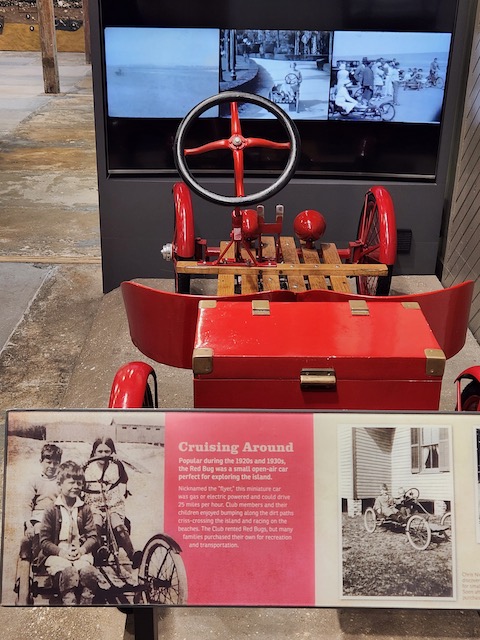
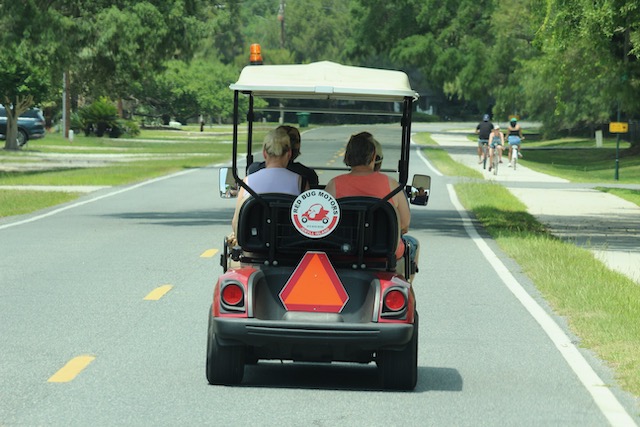
On the left is a “Red Bug” automobile – it was used by Club members and their children to get around the island. It went 25 mph – and this golf cart was doing about the same as we were following it done the road on the way back to the campground.

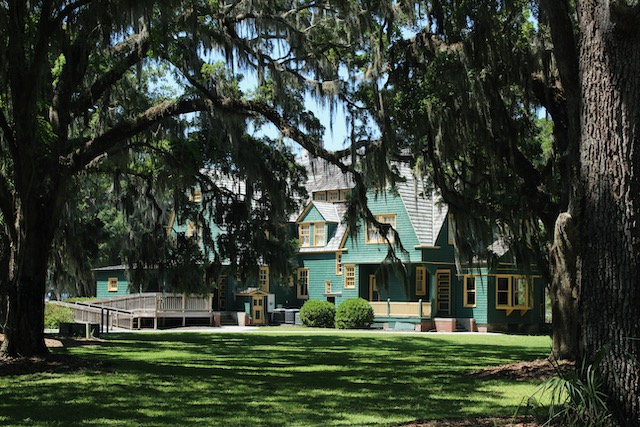

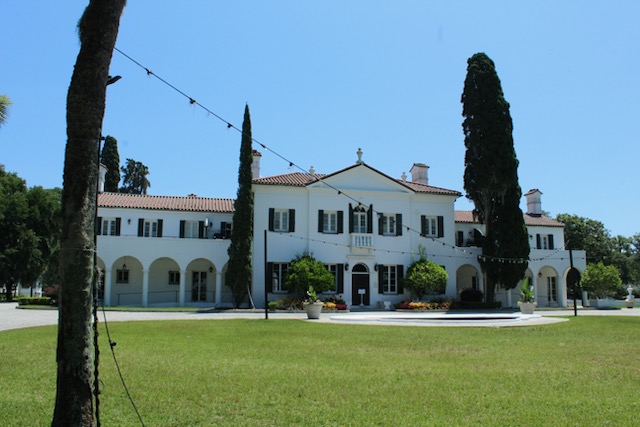
Besides the Jekyll Island Club, some of the members built their own cottage – here are a few of them. The Moss Cottage was built in 1896 for William Struthers, who owned one of the largest marble firms in the country. It is typical of the early cottages with its rustic appearance a reflection of the casual lifestyle of the original club members, who sought to escape from the pressures of the city to hunt, fish, and enjoy the natural beauty of the coastal environment. The Goodyear Cottage was built in 1906 for the lumber baron Frank Henry Goodyear (not the rubber Goodyear’s.) It was designed by the same architects that designed the Ponce de Leon Hotel in St. Augustine.
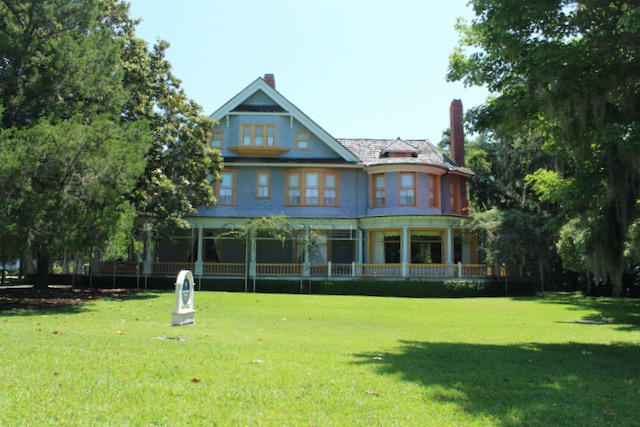

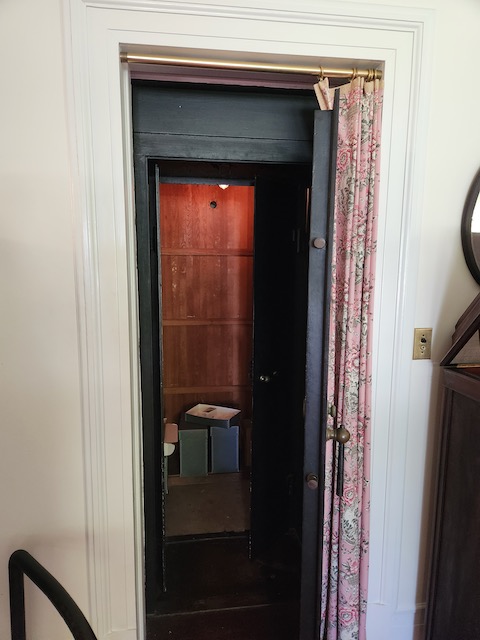
The Indian Mound Cottage was built in 1892 for Gordon McKay. He was an entrepreneur from Pittsfield, MA who made his money from a sewing machine for helping attach the soles of shoes to the upper of the shoe. He made most of the boots for the civil war. But his cottage was much different than now, because in 1905 it was bought by William Rockefeller and underwent extensive renovations. We got to go inside as part of the trolley tour.
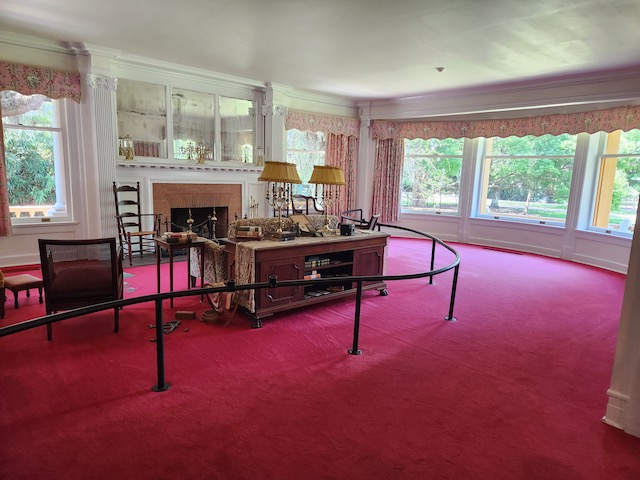
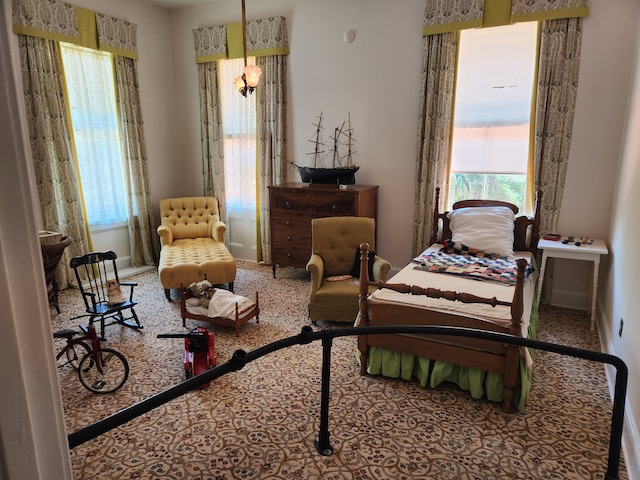
Rockefeller’s office and the kid’s bedroom
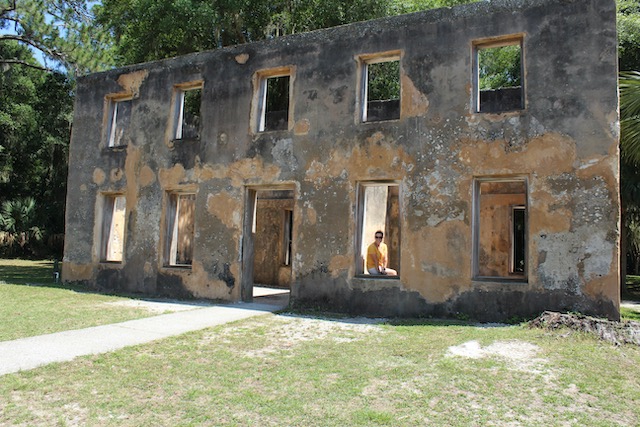

After our tour we drove around the island to some of the older European ruins on the island. On the left are the remains of William Horton’s tabby house that was built in 1743 to replace his wooden house that had been burned by the Spanish as they retreated through the area. And on the right are the remains of a warehouse that was part of the DuBignon plantation in the late 1700’s.
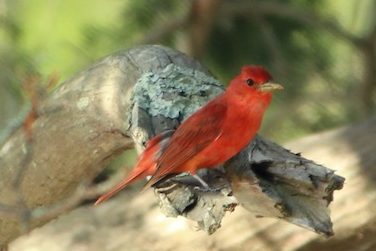
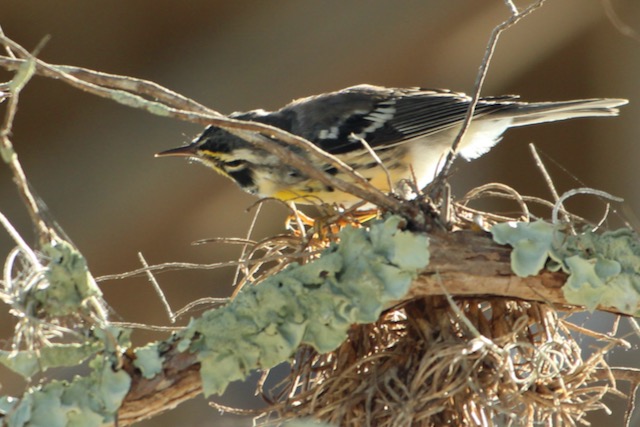
A summer tanager and a yellow-rumped warbler that we saw at the south end of the island.
Wednesday morning Whitney and I got up for sunrise on Driftwood Beach – here are probably too many pictures, but just know that I actually took over 130.
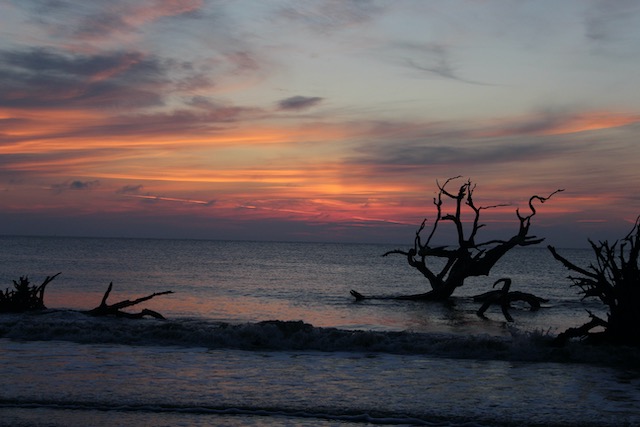
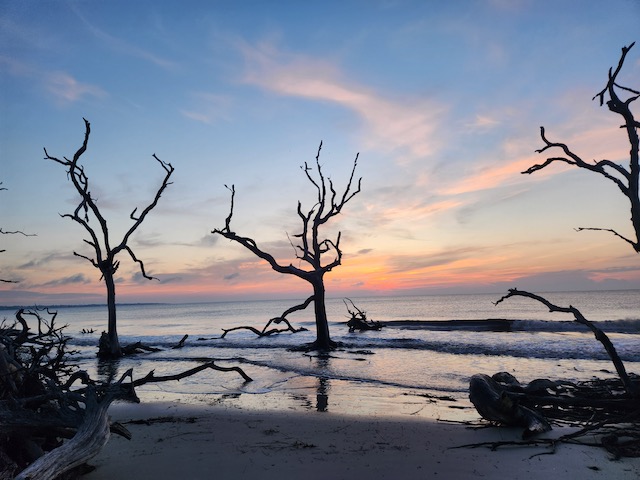

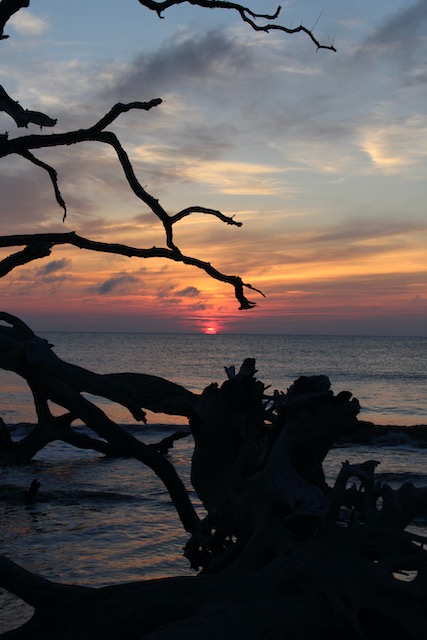
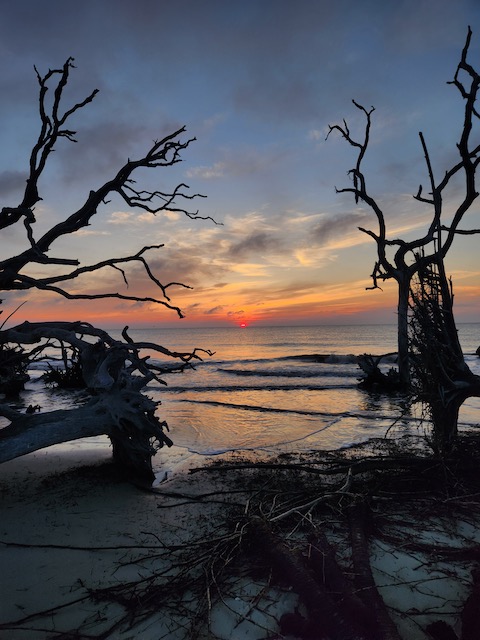

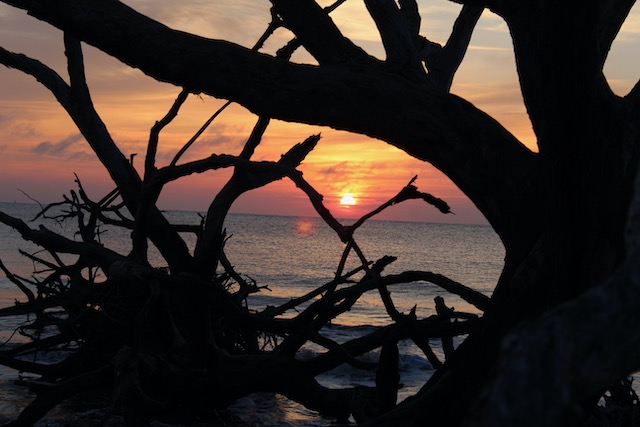
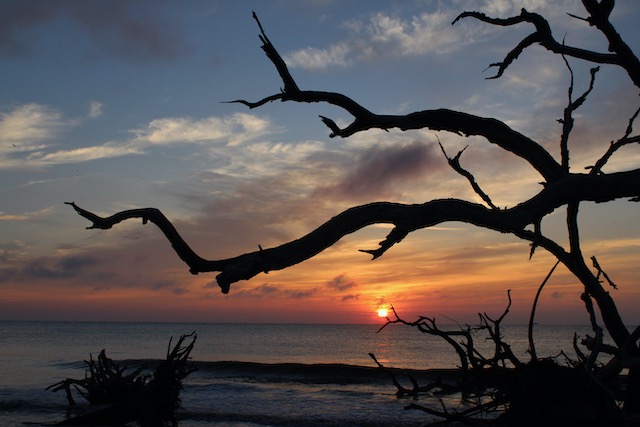
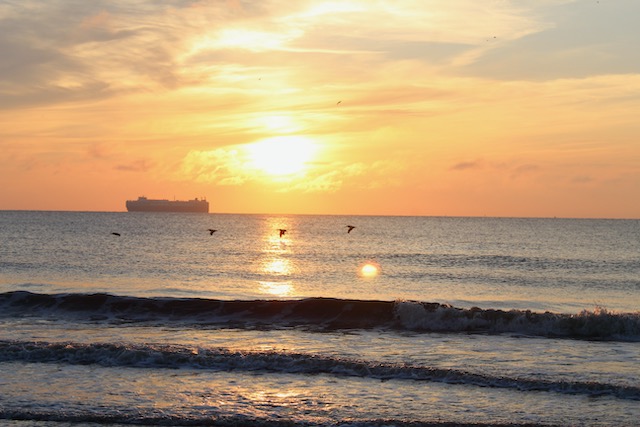
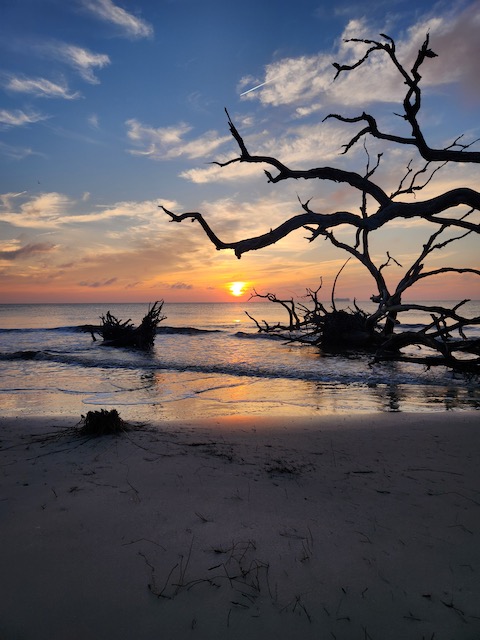


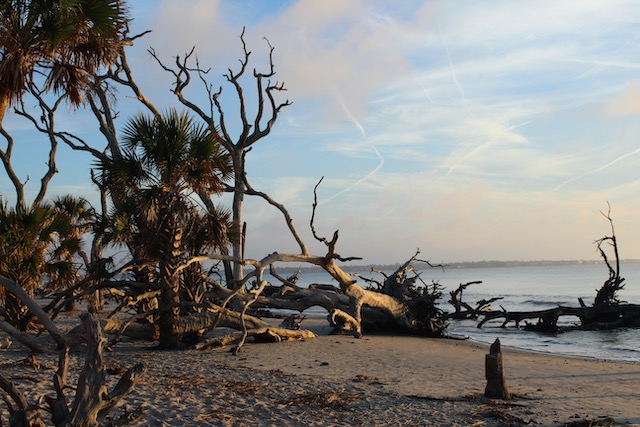
That sunrise was an amazing experience – there were perhaps 8 other people enjoying and photographing it, so it was easy to find opportunities for photos. Then it was back to the RV to pack up and get ready for the noon time checkout. But we had one more stop on the island.
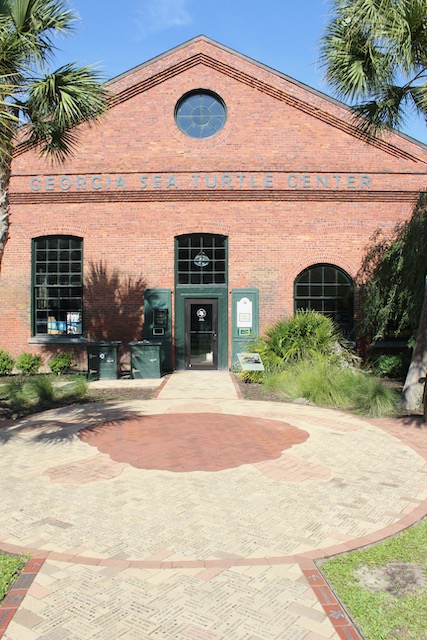

The Georgia Sea Turtle Center is a rescue and rehab center for the five sea turtles that are found along Georgia’s coast. Opened in 2007, they are one of the only turtle hospitals in the US and serve most of the Atlantic coast.
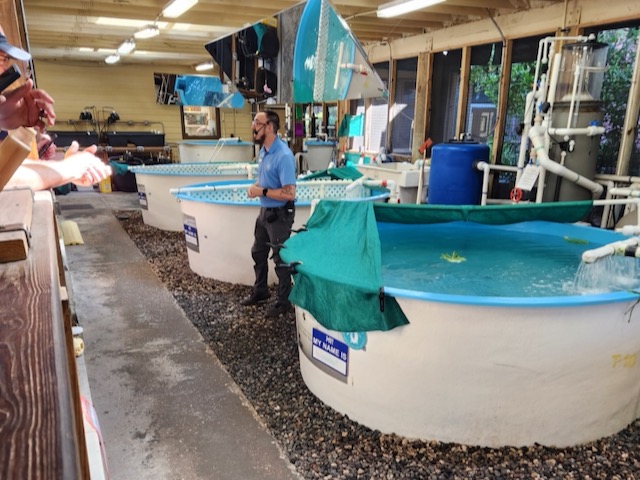
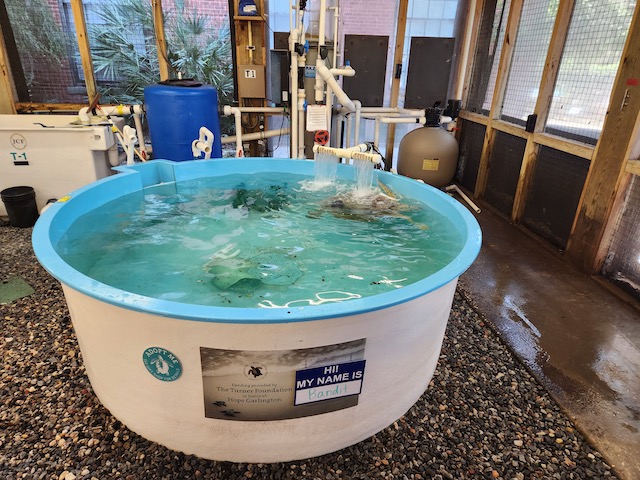
This is definitely not an aquarium, as you can see by these tanks that hold the patients – many of them have been hit by boat propellers, others have been caught in nets or have been found debilitated from some disease.
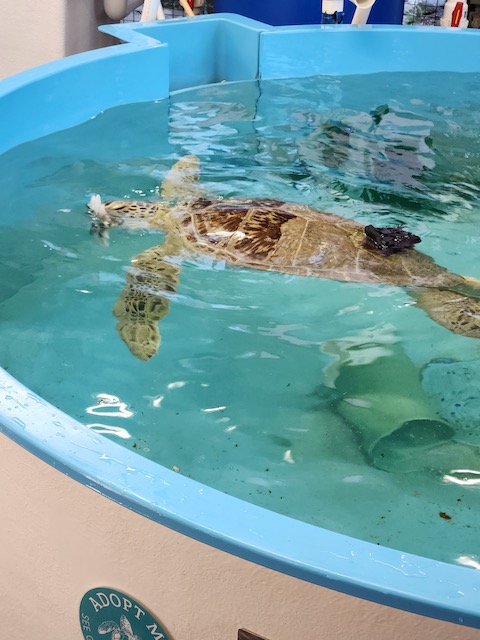
I will only tell you one of the sad stories. This is a Green turtle called Bandit. She was found in April, 2021 having suffered a boat strike. That caused her carapace to fracture and involved damage to her spine, which has caused rear flipper paralysis. Because of this it is hard for her to get her head above the water to breathe. That black contraption on her shell is a diver’s weight sack, which they use to give her some counter weight so she can swim a little better. She will not be able to be released back to the wild, but she also has a herpes virus (contagious through the water) that limits the number of places she can be relocated to. She is the longest stay patient they have had.


On the left is an example of the food the turtles are fed – it is an icicle of frozen fish, as well as vitamins disguised with fish smell. On the right is one of the turtles getting a wellness check.

This turtle sculpture is made out of old propellers – just one last plea to be careful out on the water.
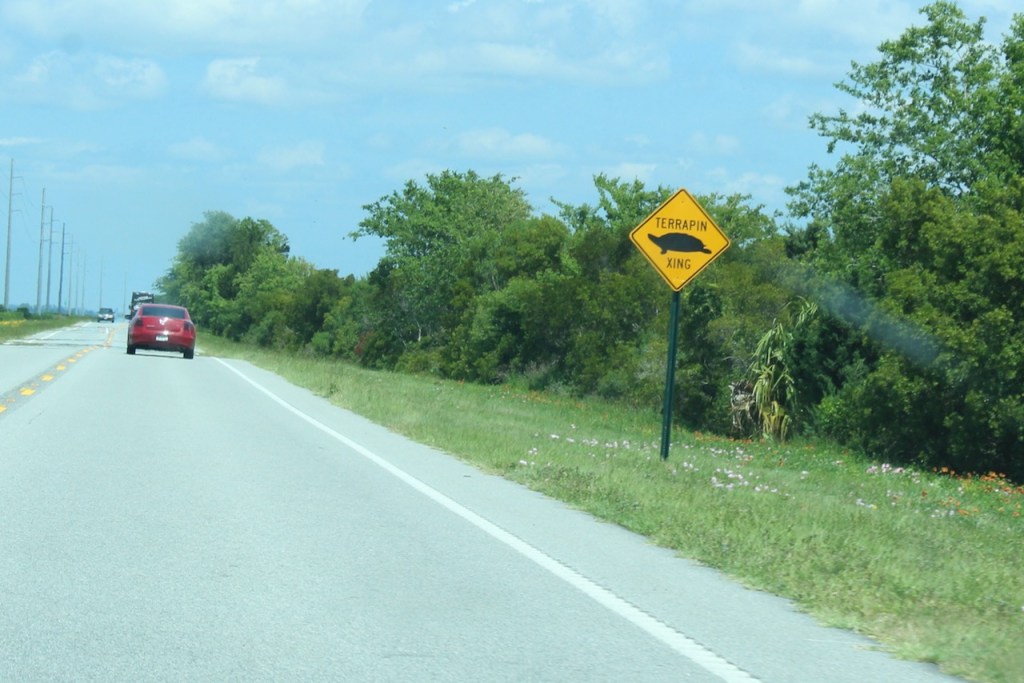
And that was the end of our stay on Jekyll Island – I had noticed these signs on the way onto the island, but didn’t capture a photo until we left.
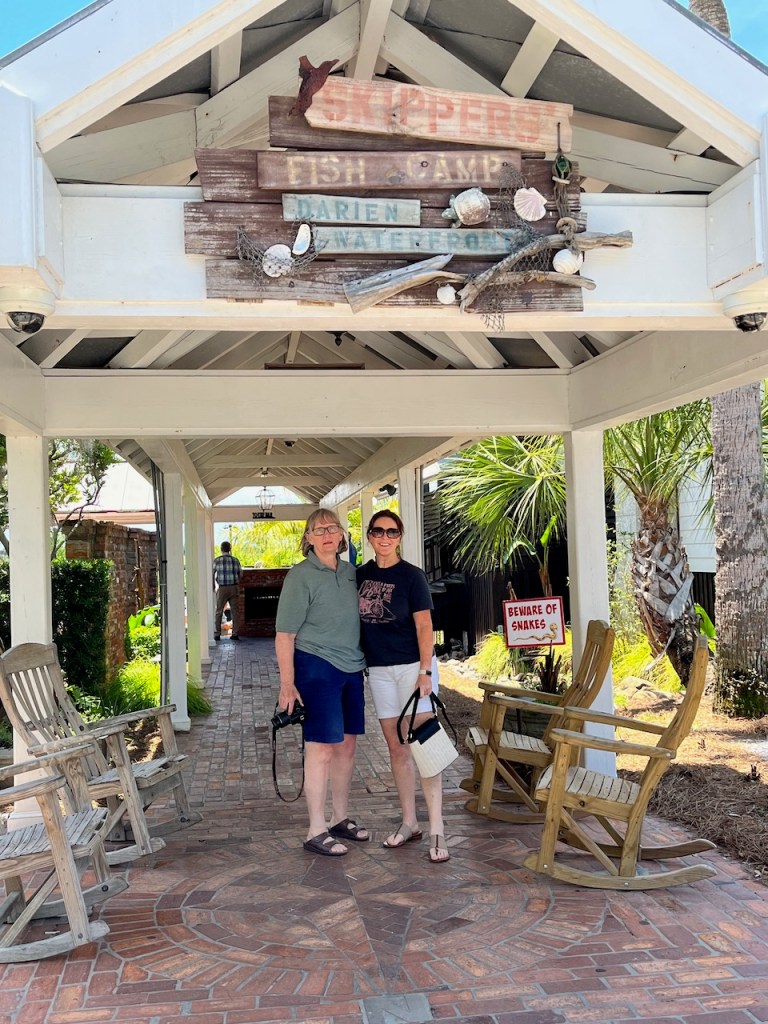

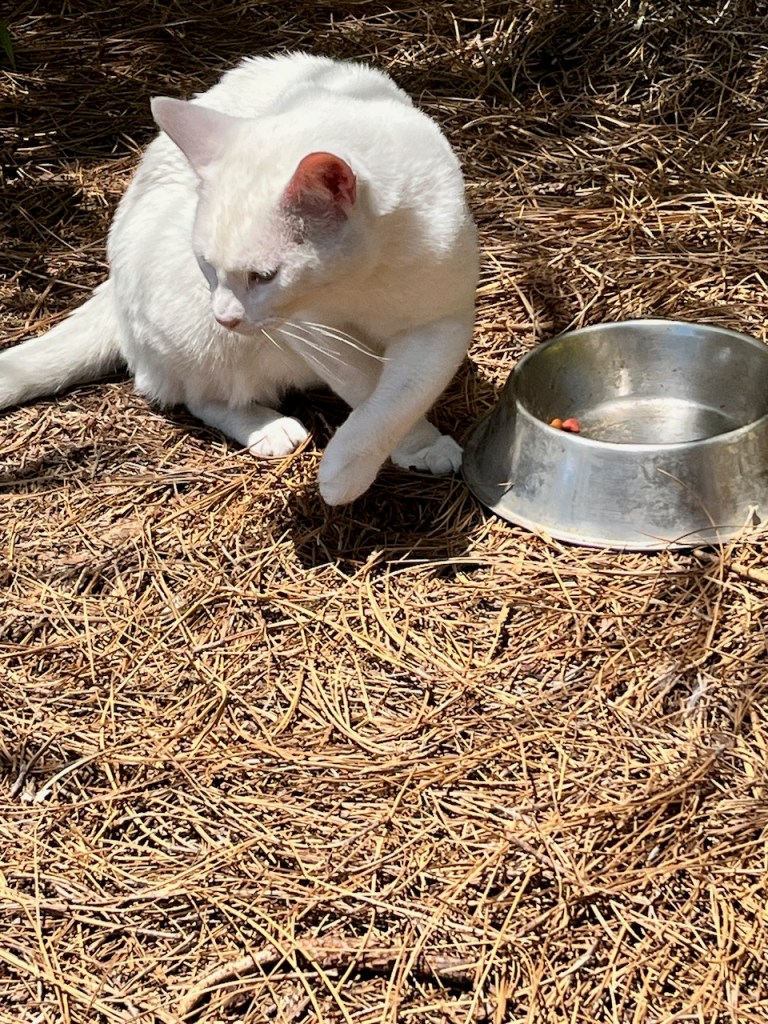
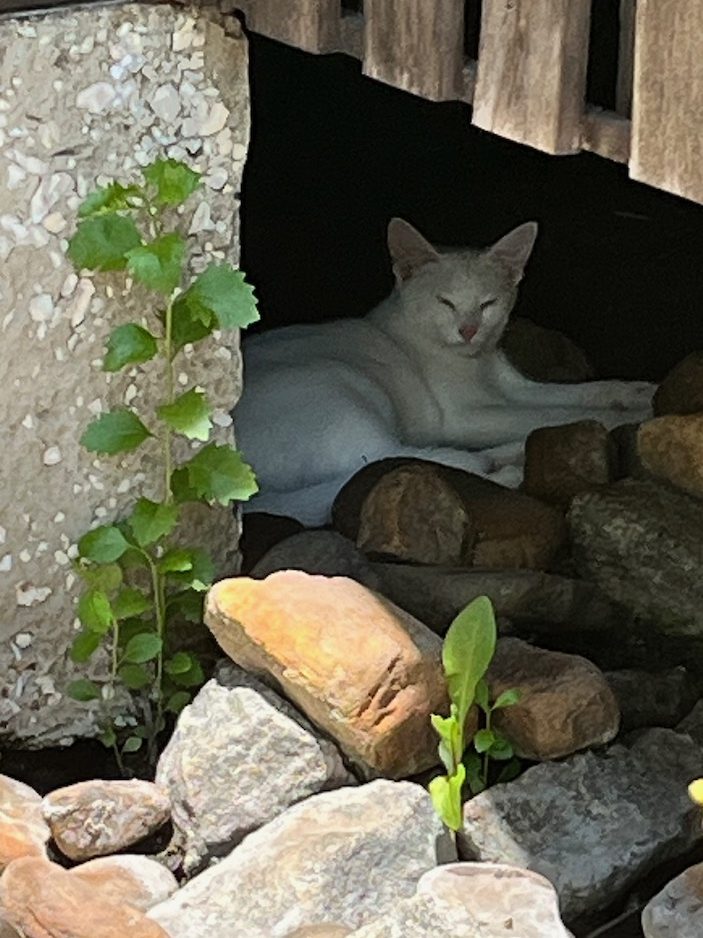
They weren’t friendly enough for Trish to pet, but she did get these closer up photos.
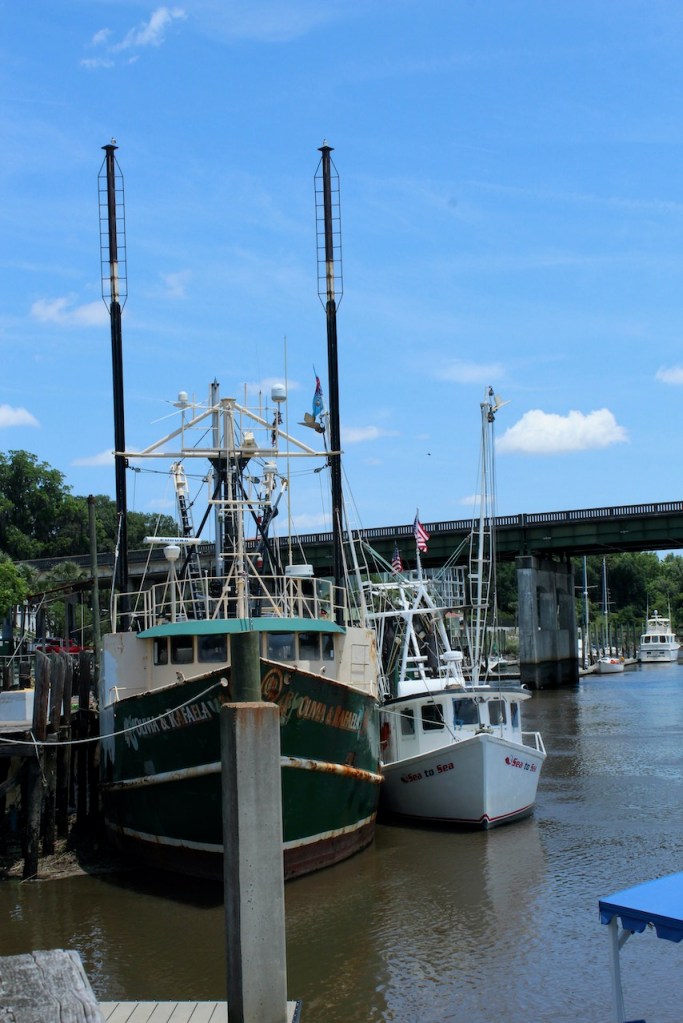
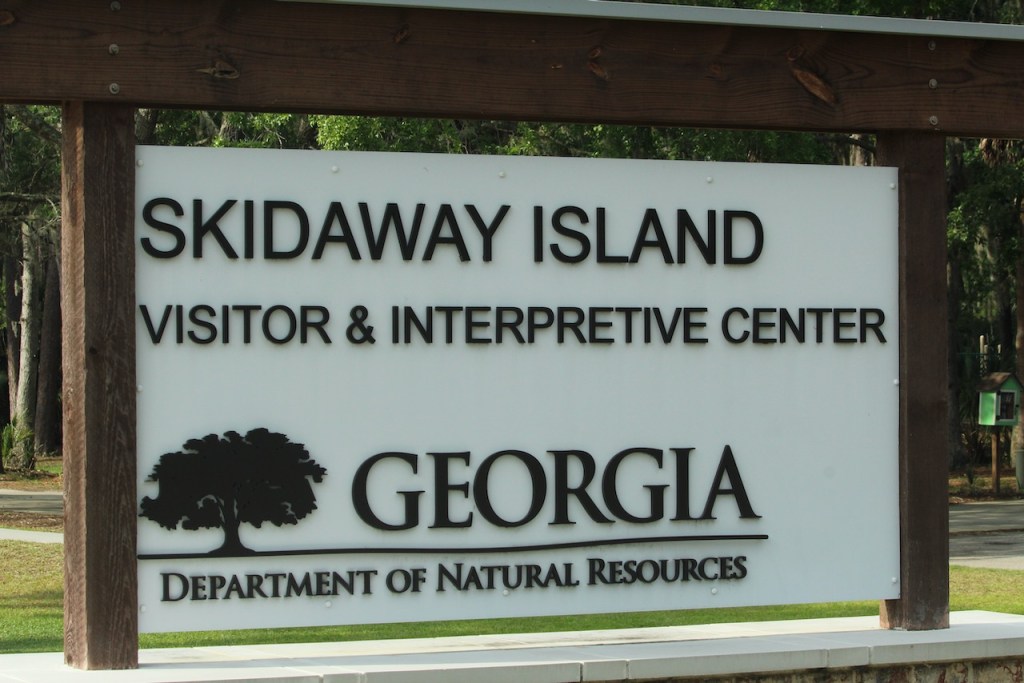
Then it was on to Skidaway Island – another barrier island. Did you know that all of Georgia’s coastline is actually barrier islands? I didn’t.
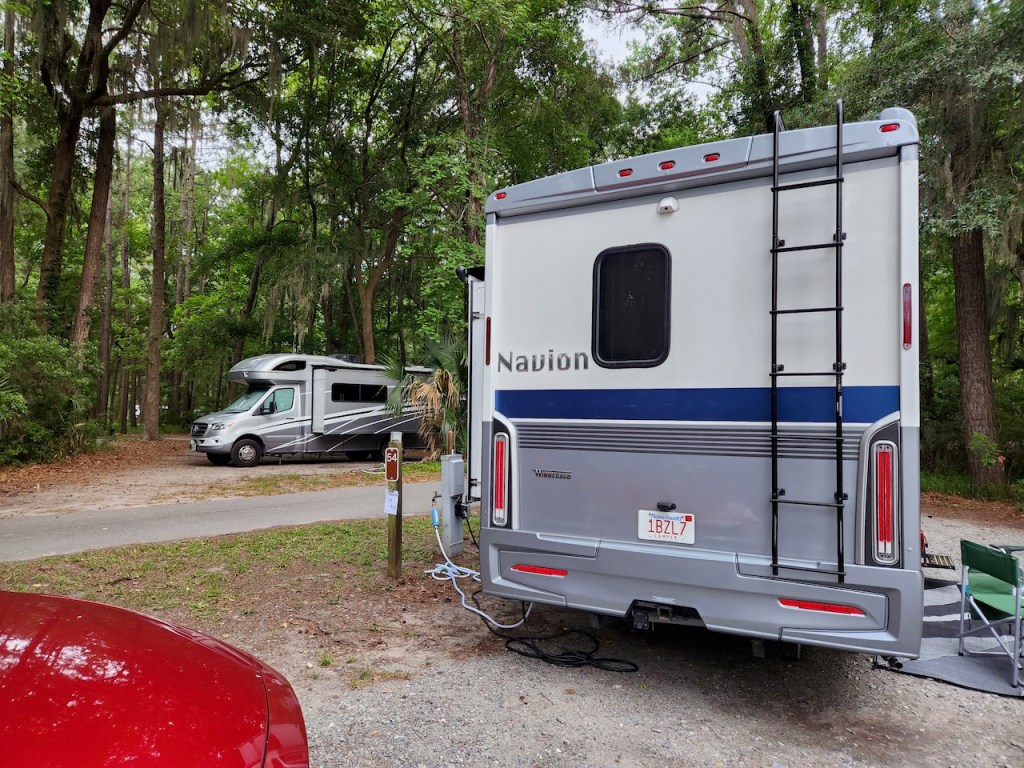
That RV that is essentially the same as ours – set up just across the road from us. They were from Texas and were embarking on a 6 month trip.
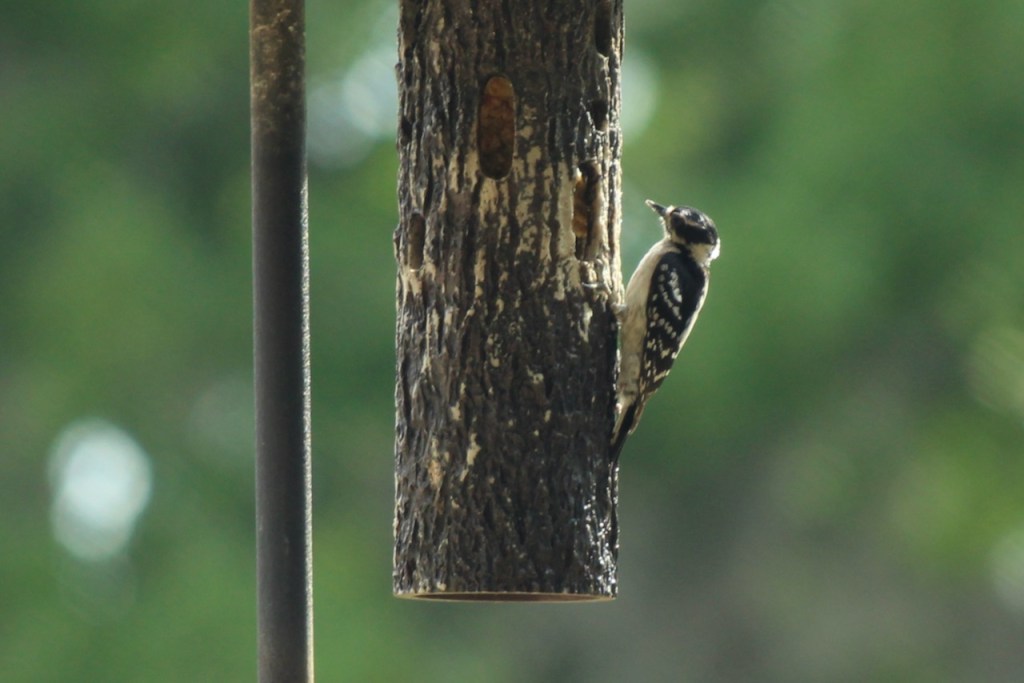
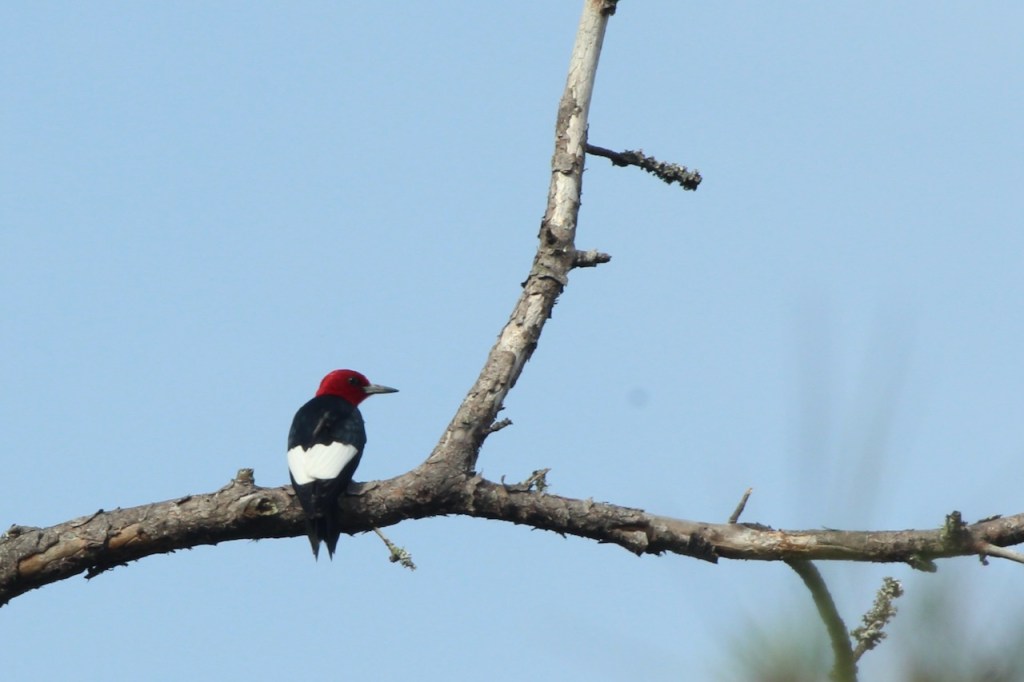
There were some nature trails near the office, so we decided to work off a bit of that lunch by going for a walk. That’s a downy woodpecker at a feeder and a red-headed woodpecker on the branch.

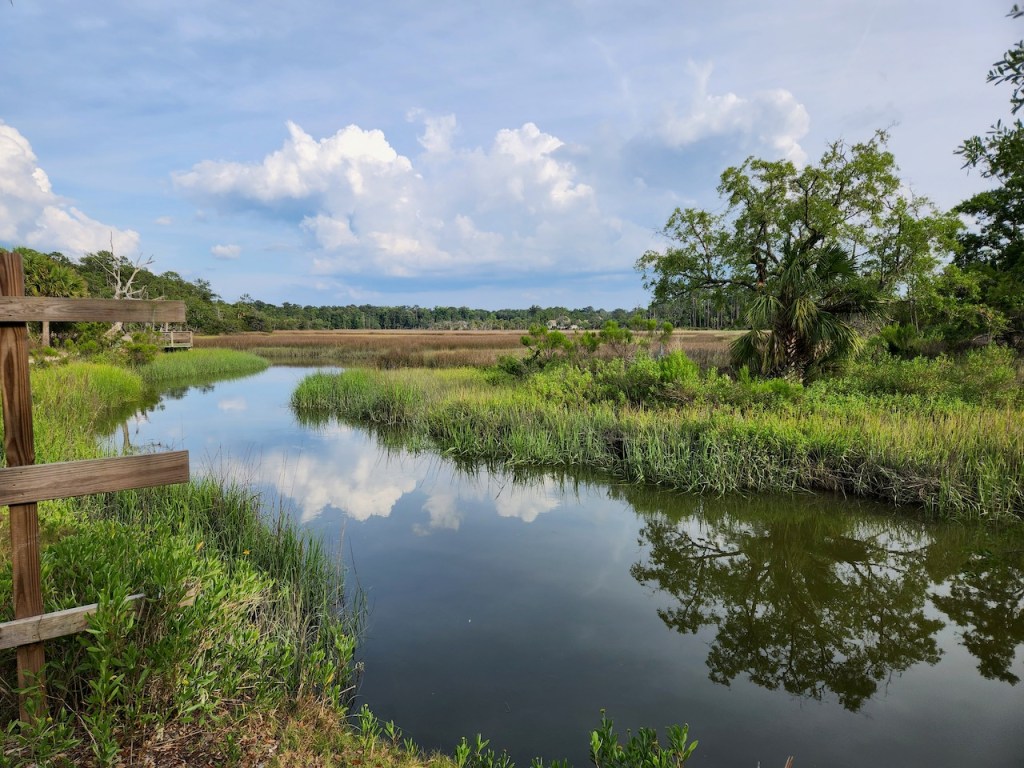
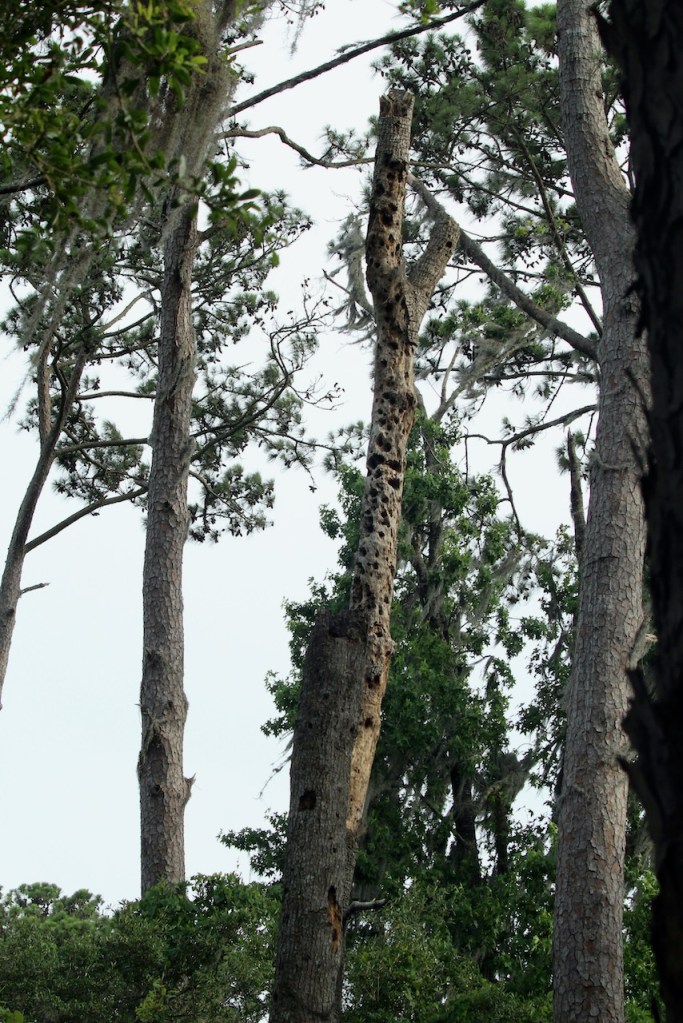
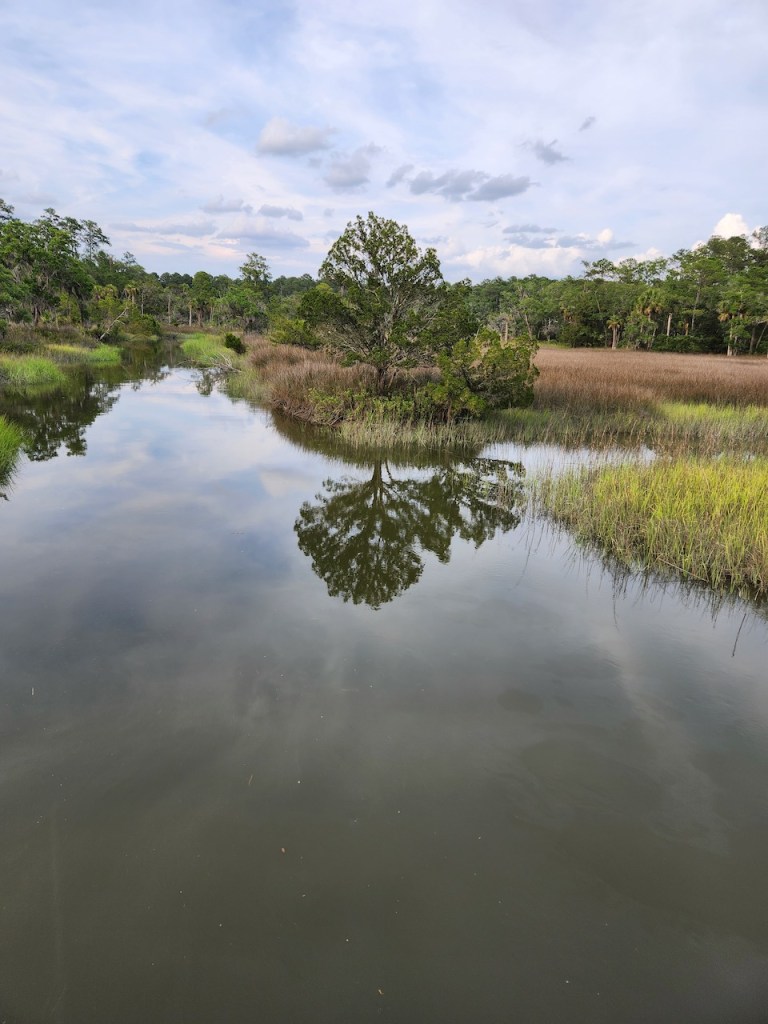
You can tell by the tree on the left that there were definitely woodpeckers in the area, and there were some great reflections going on.
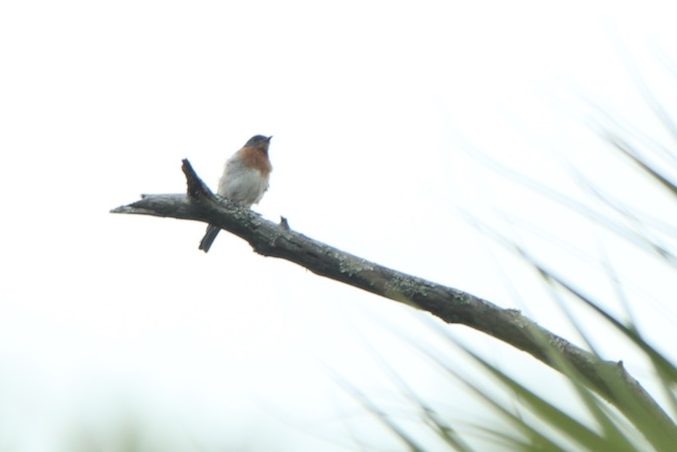

We spotted this bluebird and a brown-headed cowbird.
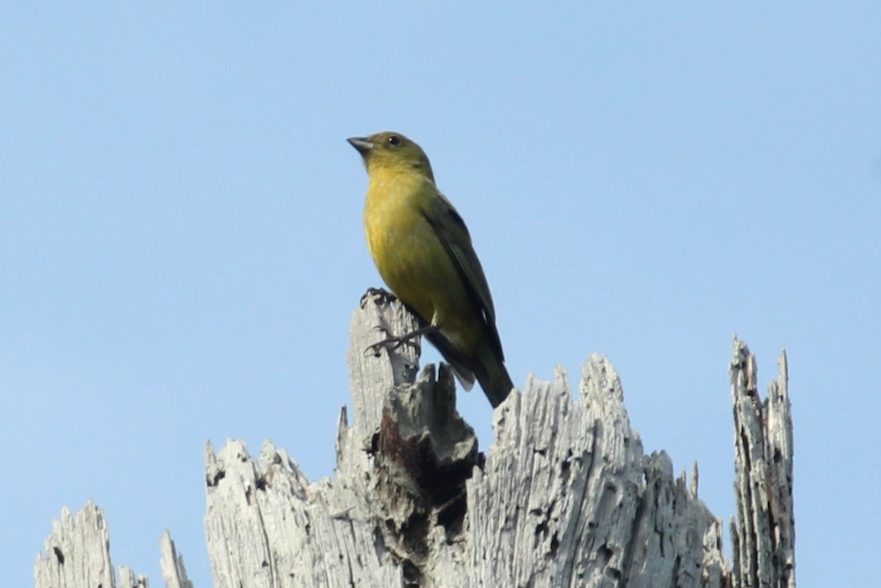
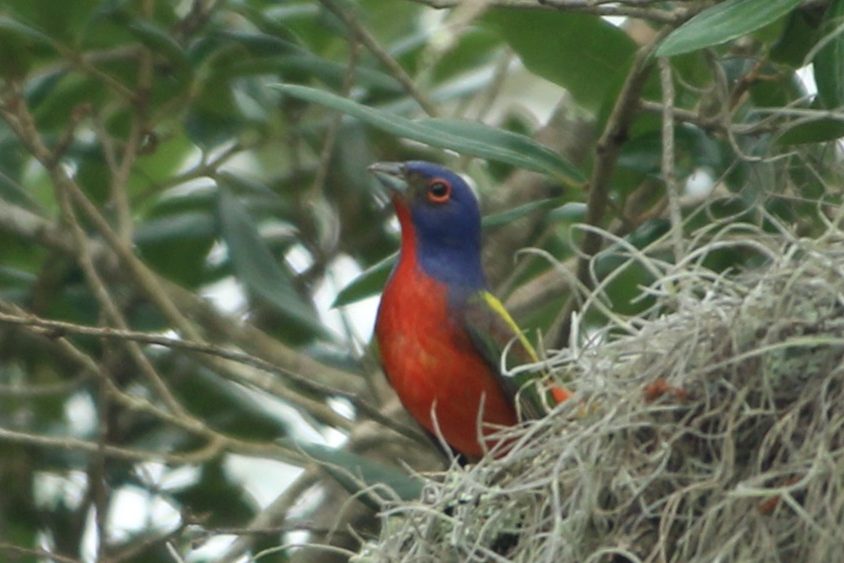
But best of all, due to Whitney’s keen eyes and ears, we were rewarded by seeing both a female and a male painted bunting – another addition to our life list.
Thursday’s forecast was showers turning to rain so we set off with our umbrellas and rain jackets.
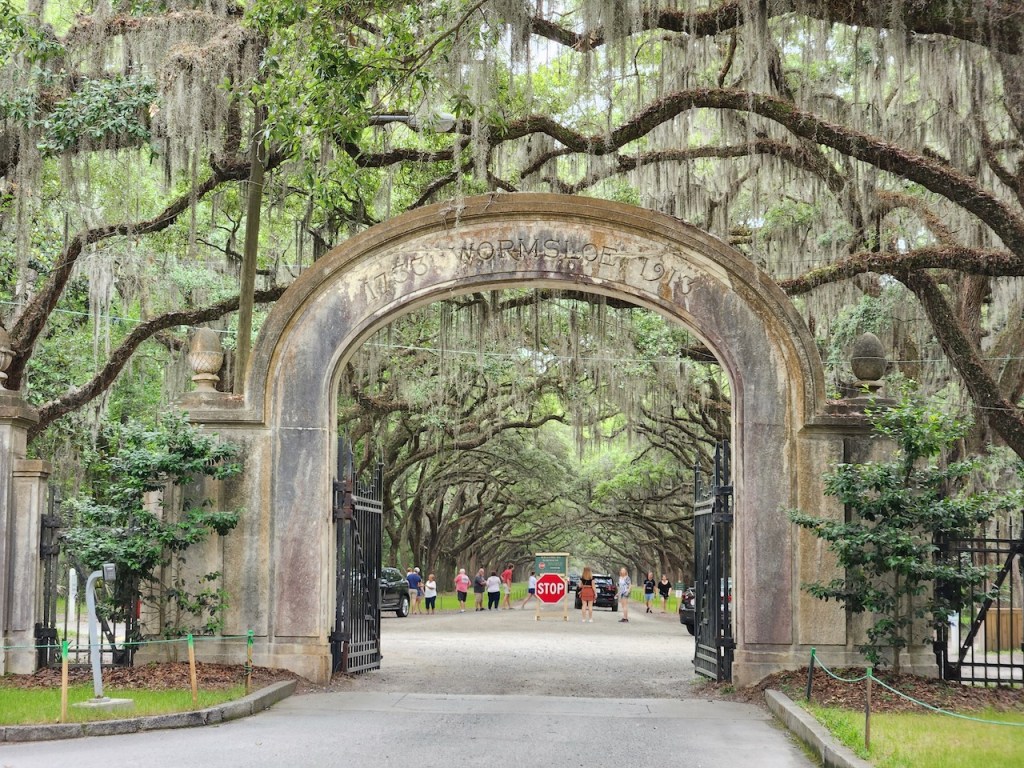


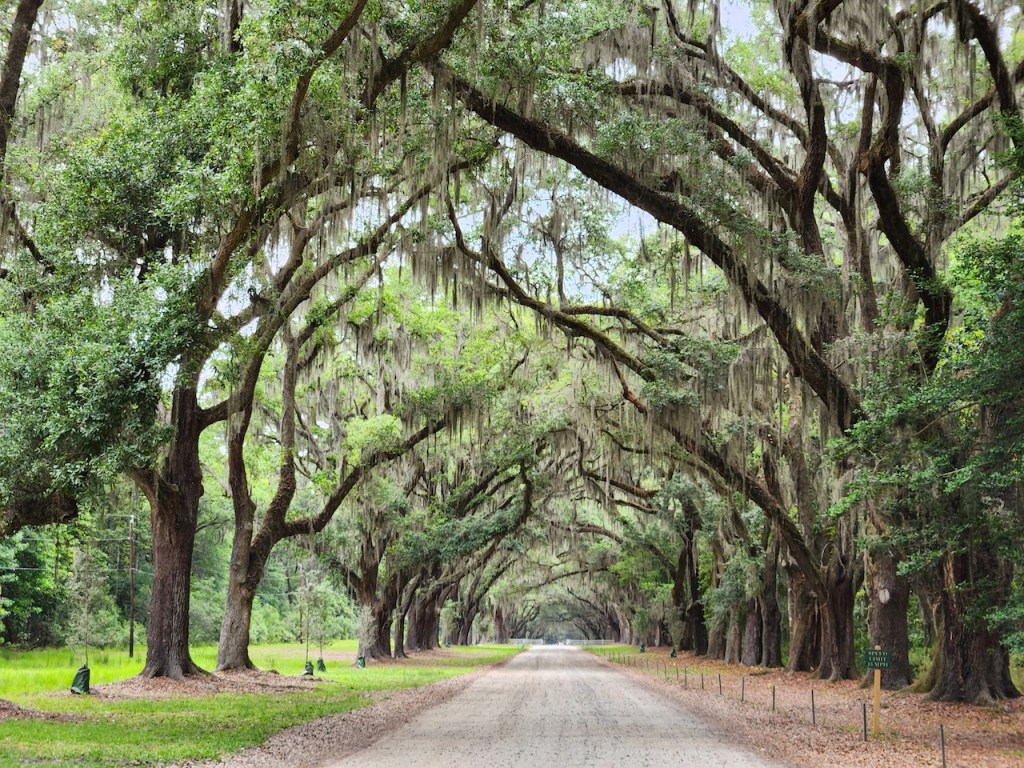
Our first stop was Wormsloe, which may look familiar to folks who have followed our adventures over time. We had been here in 2021, but we wanted Whitney to see this Oak Alley. There is one in Aiken where she lives, but it’s not 1.5 miles long like this one is. Because of the threatening rain we didn’t go on a nature walk, but only walked around the museum. We then headed to our next stop via a stop at the RV, because I had forgotten to put the recharged battery back into my camera.
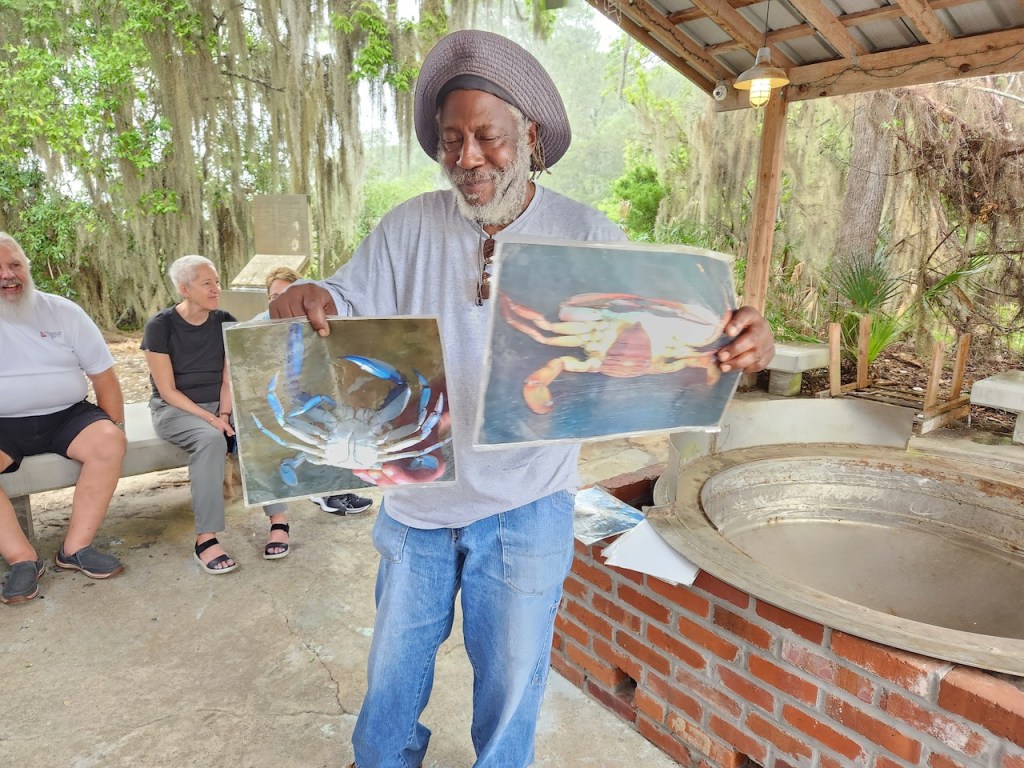
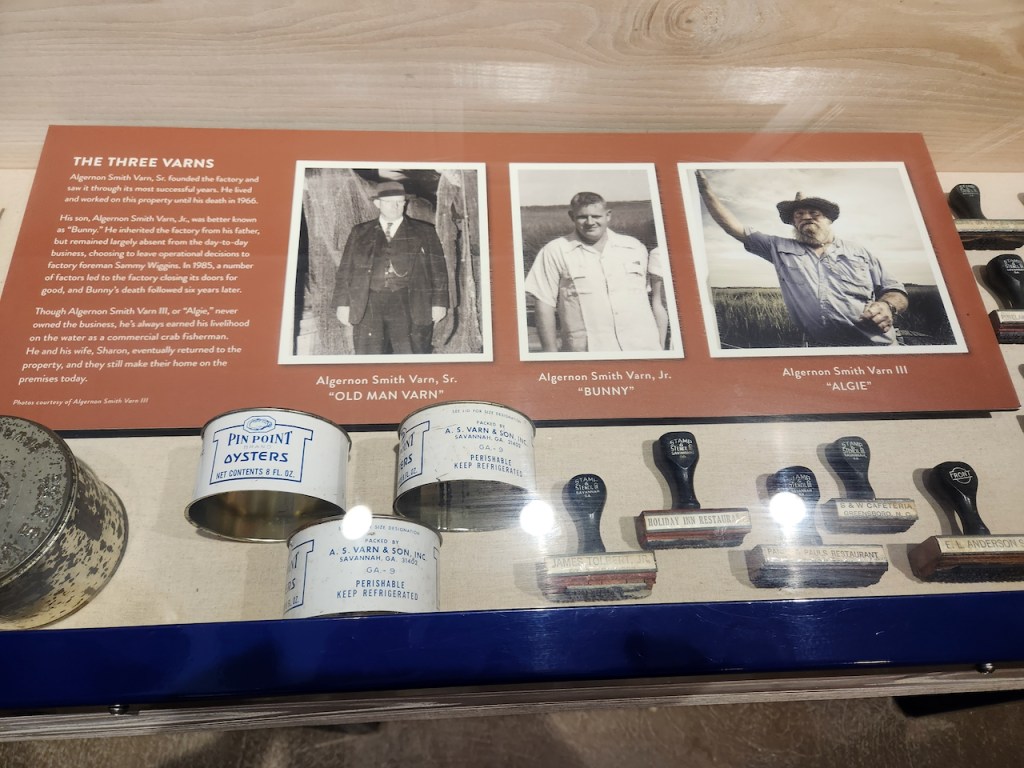
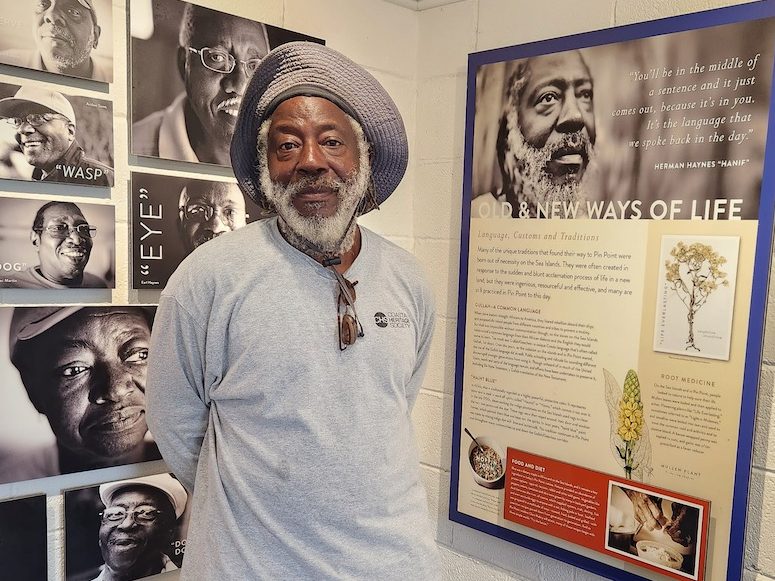
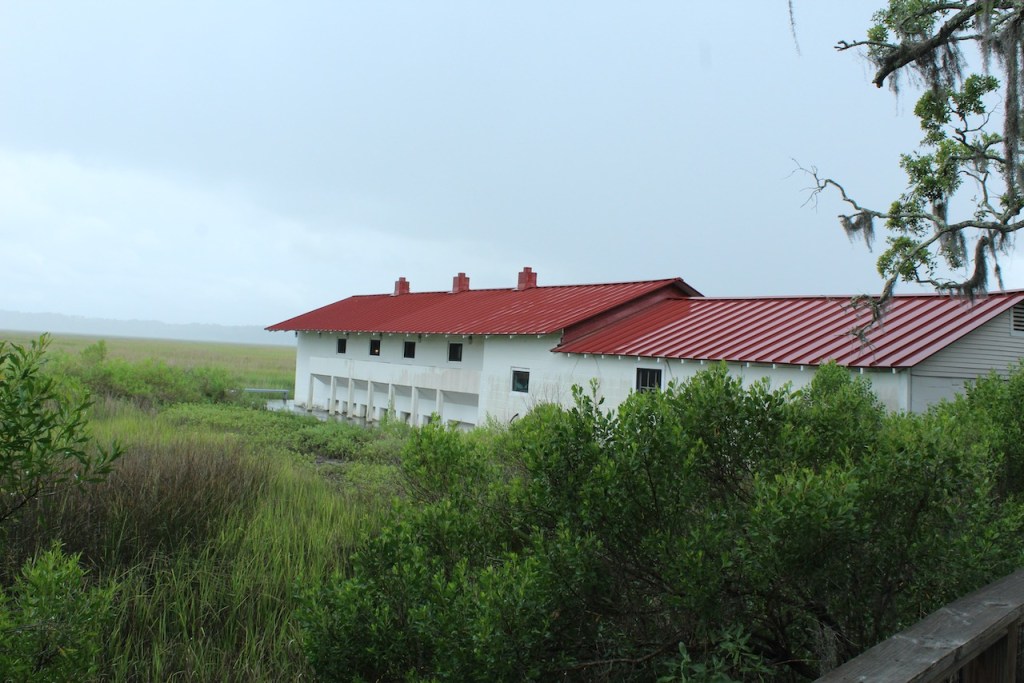
This is the guide we had at the Pin Point Heritage Museum. Herman Haynes is a descendant of the first-generation freedmen that founded the community at Pin Point in the 1890’s. It tells the history of the Gullah-Geeche people who were slaves brought from Sierra Leone, who knew how to raise rice, because the colonists didn’t know how to do so. Here he is showing us the difference between male and female blue crabs – if you don’t know the female is on the right. The big pot behind him held 500 lbs of boiling crab. The reason we were talking about crabs is the museum is in the old A.S. Varn & Son Oyster and Crab Factory, which was one of the major employers. And you can’t tell in the picture because we were in a well constructed pavilion, but it was pouring rain at this point. About 75% of the property in Pin Point is still owned by descendants of the original owners.
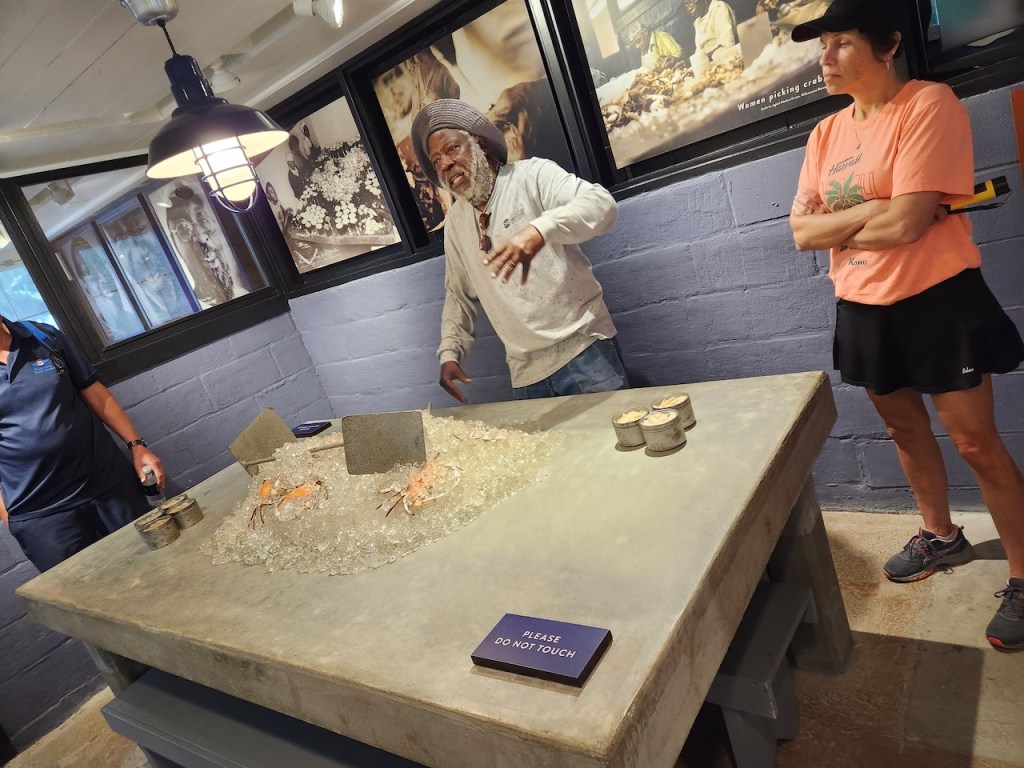
Here he is showing us the crab picking area – after the crabs were boiled they would be placed on this table with ice overnight, and the next morning they would be picked.
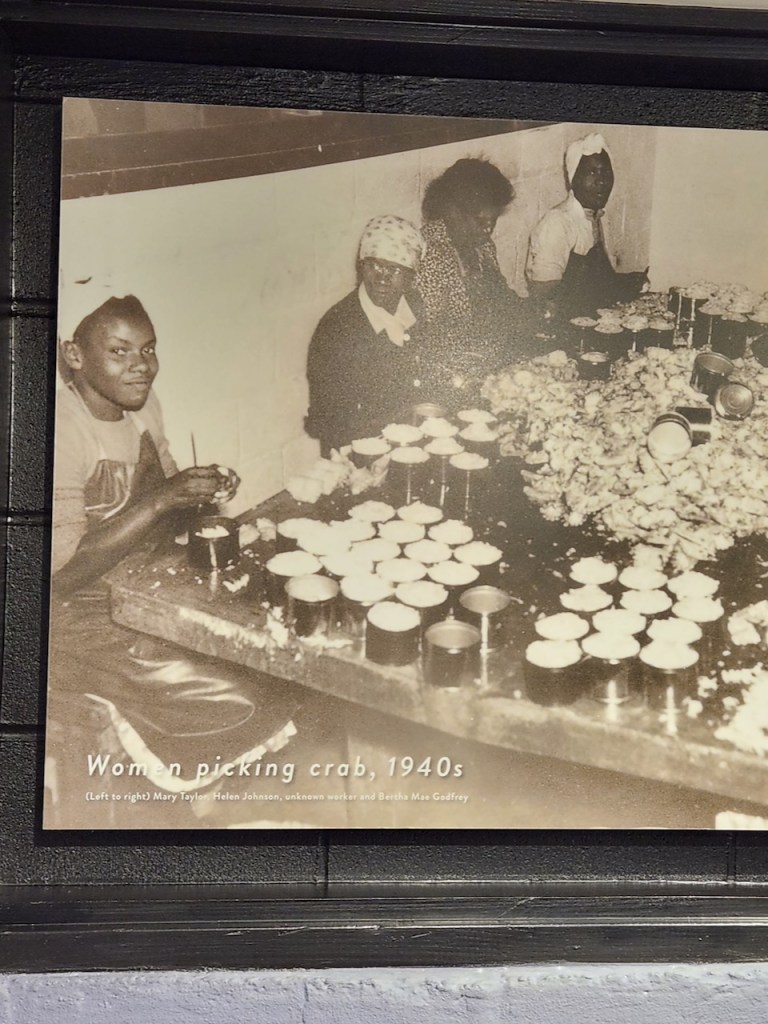
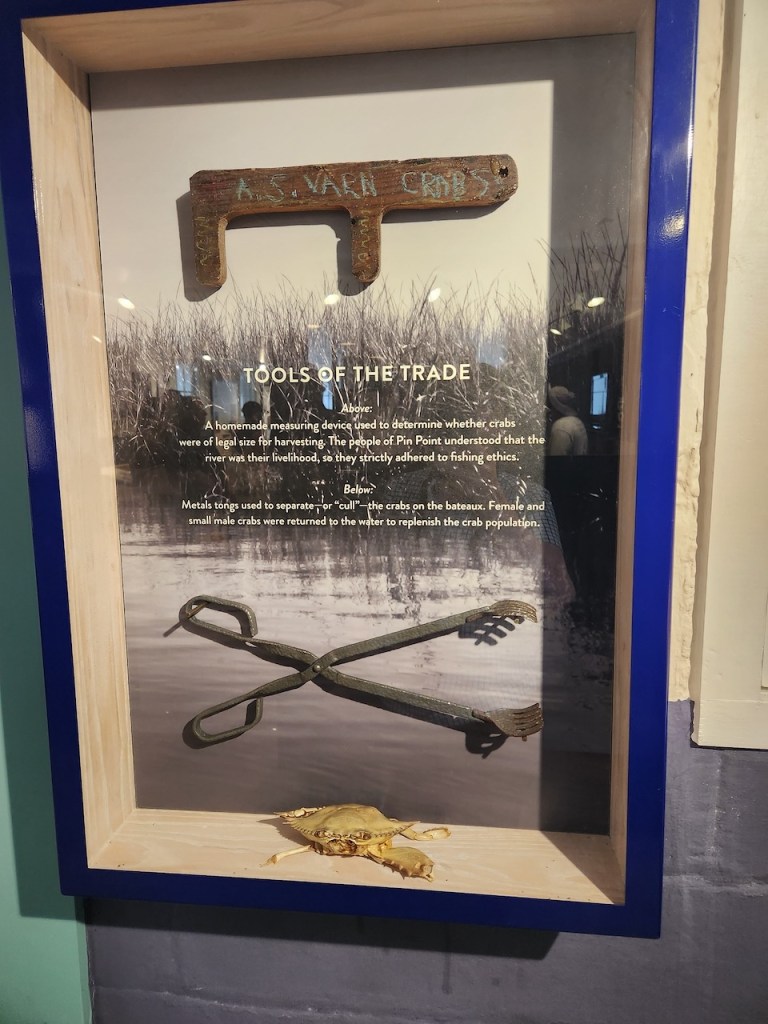
I heard that they could pick a pound of crab meat in 90 seconds. I know when we had whole crab to pick, it took a lot longer than that. And those are tongs to handle the crabs on the boat and a scale to be sure the crab were legal. If females with eggs or ones that were too small were found on a boat, not only did you need to pay a fine, the entire catch would be thrown back.

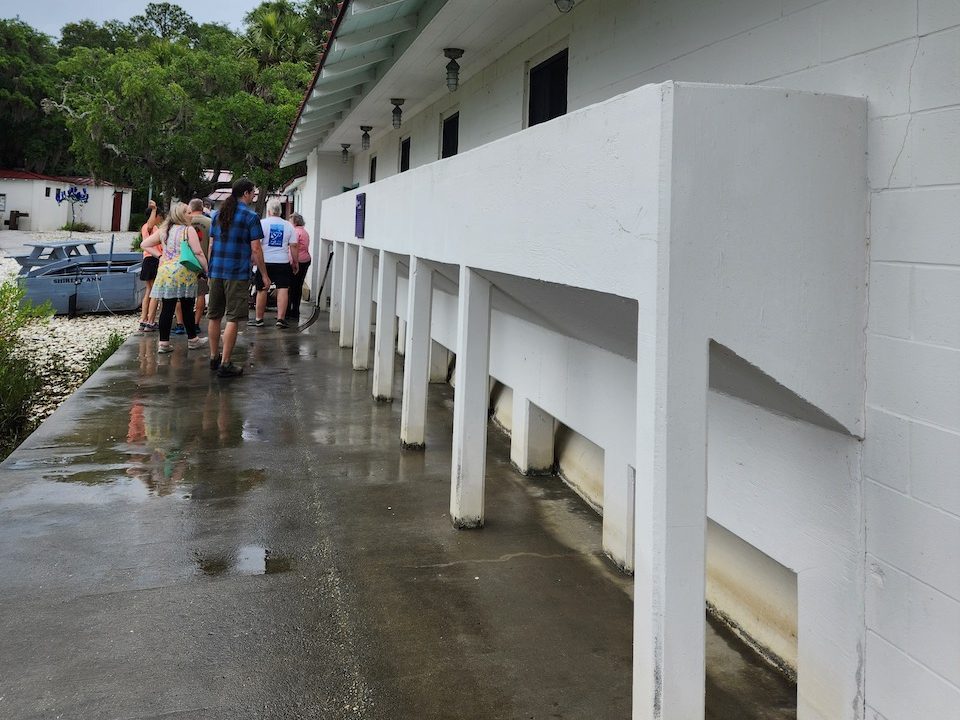
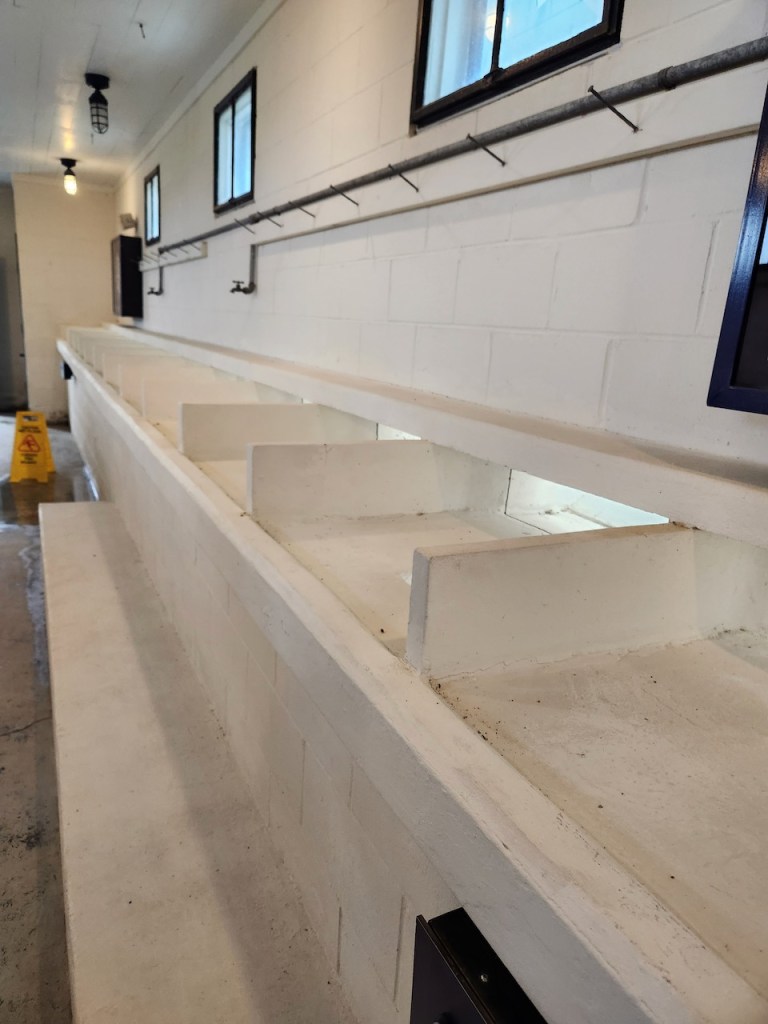
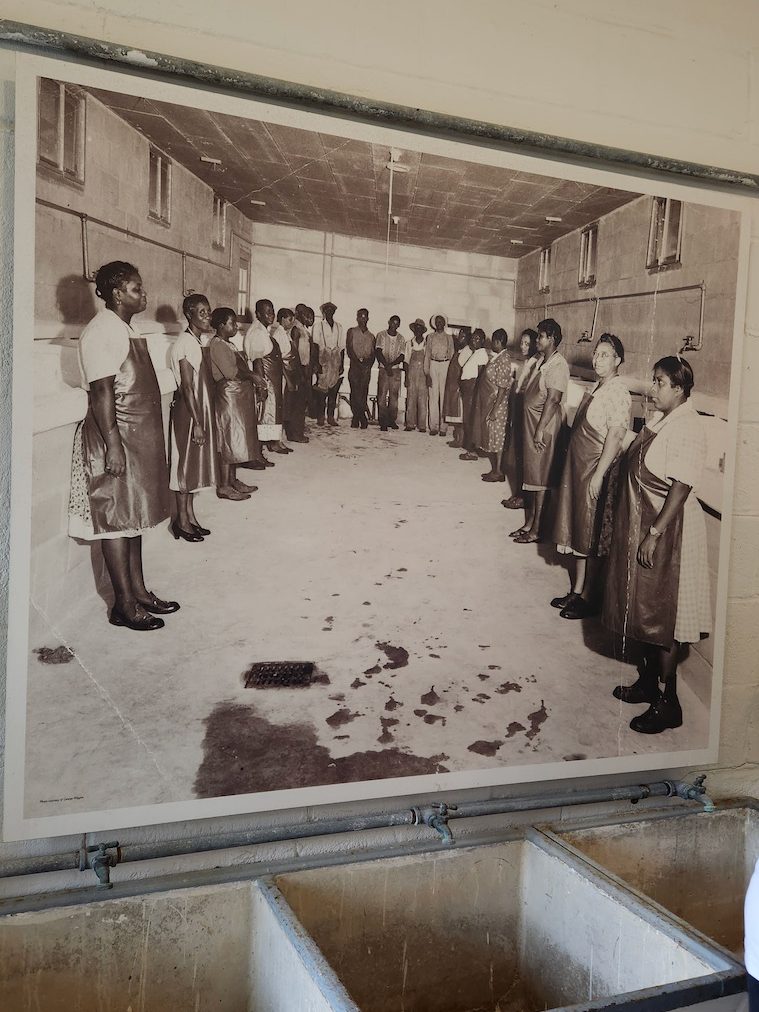
Above is a boat that would be used to go oystering and crabbing. Flat bottomed because they were mostly going to spots along the tidal march. Not sure you can read the sign, but they could get 1,000 pounds of oysters in one of these boats. Then you can see the oyster house. The oysters would be shoveled into those bins and gravity fed to the shuckers inside. You can’t see it very well but there was a place for the shells to be dropped to go back outside. The shells would then be returned to the marsh to support the next generation of oyster growth, as they need something hard to latch onto to grow.
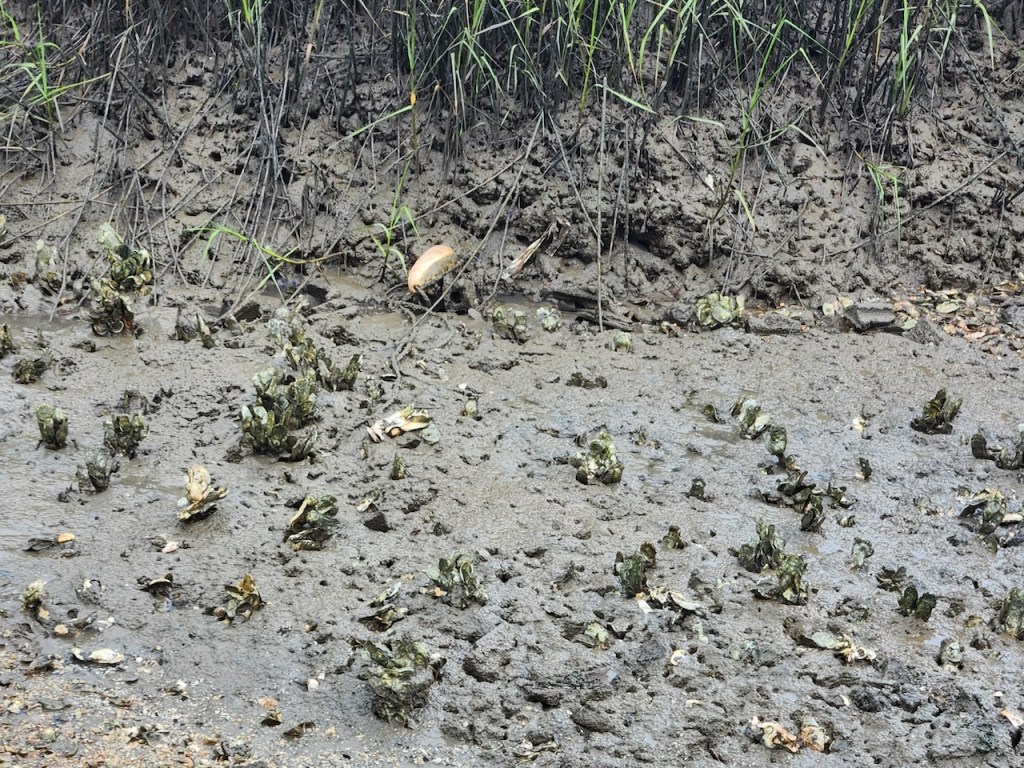

It was low tide when we were there, so we could see some oysters, and with the rain temporarily stopped enjoy a view of the marsh, and if you look closely a great egret flying by.

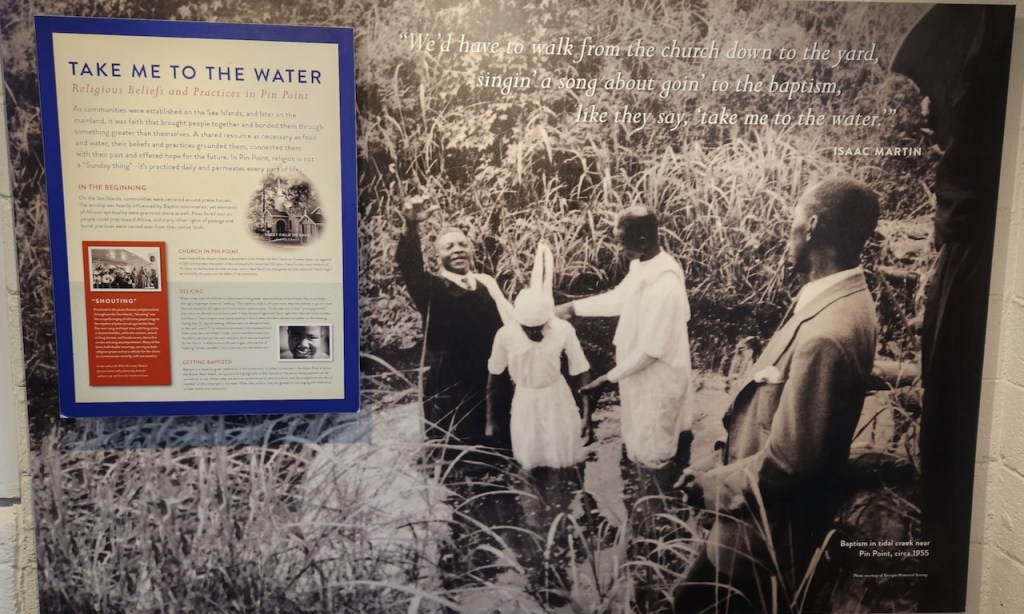
The last stop on the tour was a building that had more about the Geechee culture, from the types of toys they had to the importance of religion.
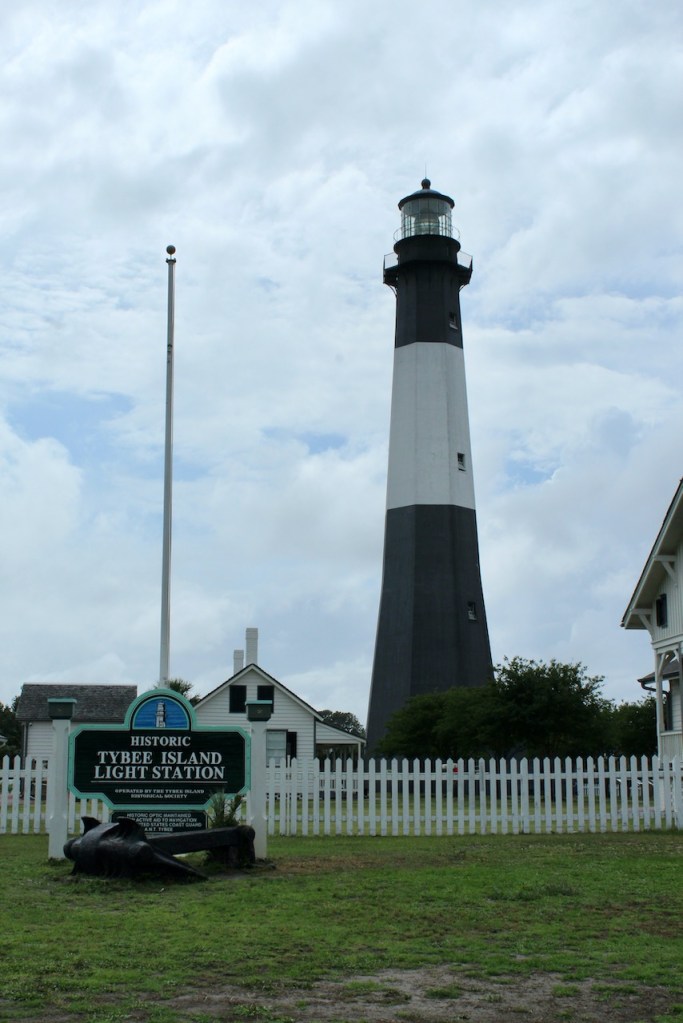
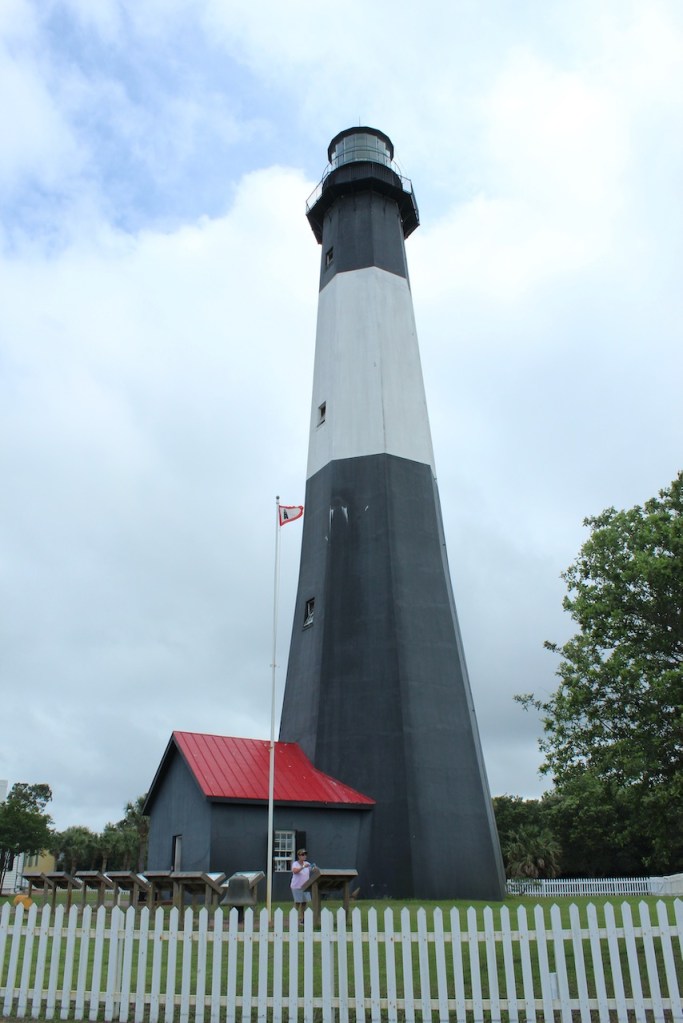
After getting some pizza, we drove to Tybee Island – where we took a look at the lighthouse, but didn’t go in. This started as a daymark (no light in the building) built in 1773. In 1791 it got it’s first light – fueled by whale oil. After it was partially destroyed in the Civil War, they used the 60 feet remaining to become the base for the 100 foot lighthouse you see see now – the tallest in Georgia.
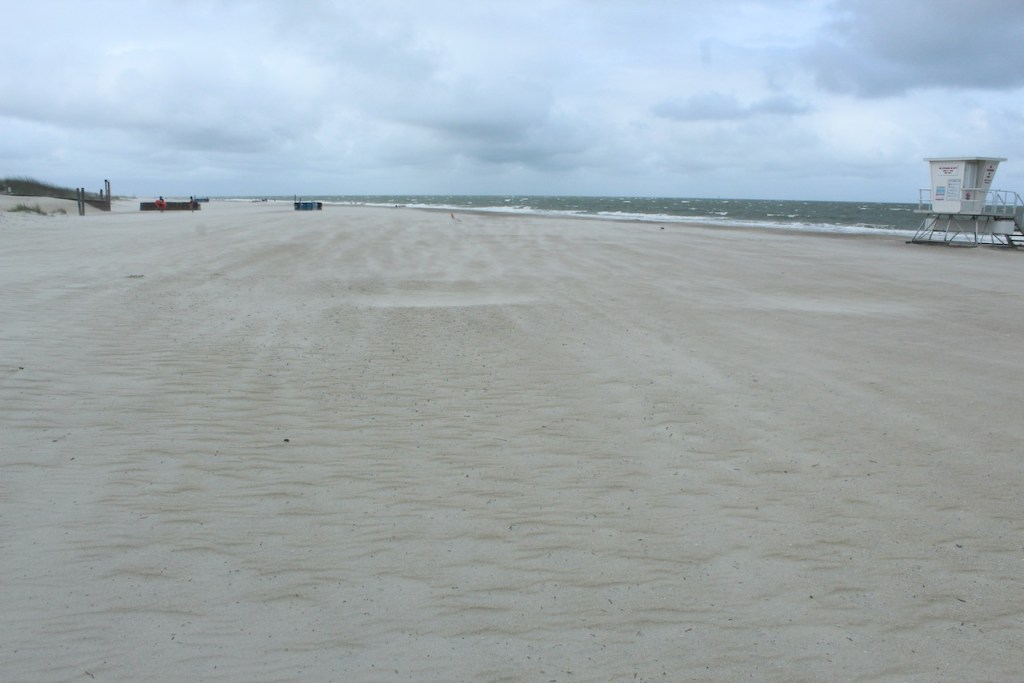
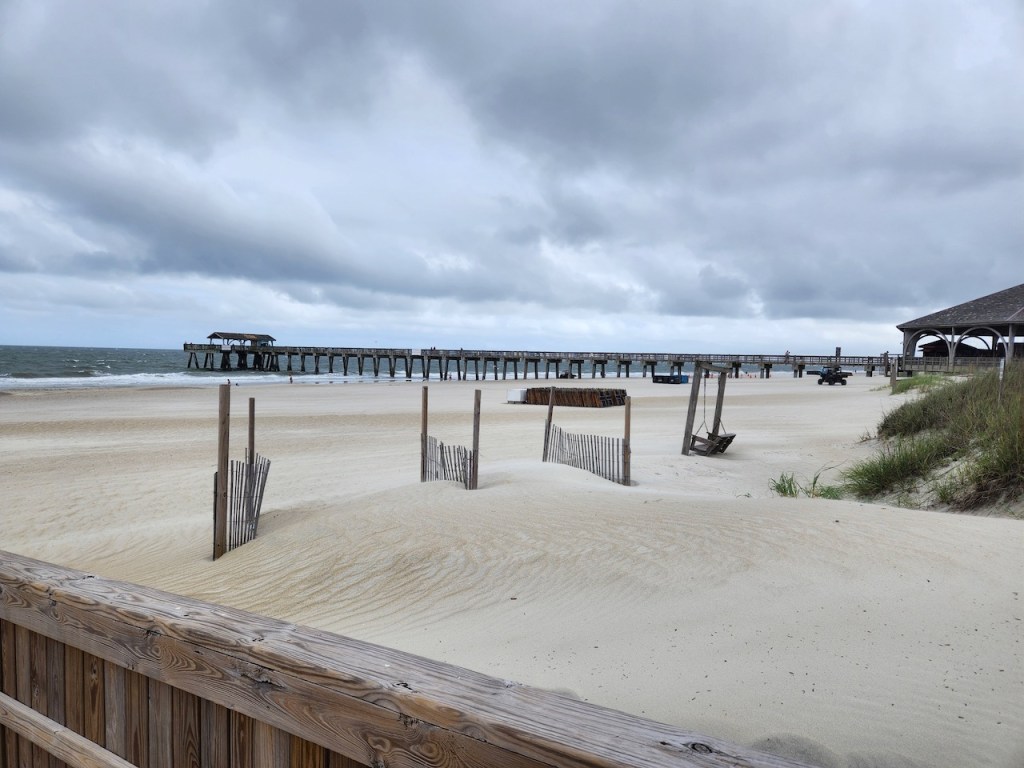
Whitney and I took a look at the beach – you probably can’t tell from the pictures, but it was very windy. You can get a better idea of how windy in this short video: https://www.dropbox.com/s/ltbiegvpr18dot8/2023-05-18%2016.04.33.mp4?dl=0

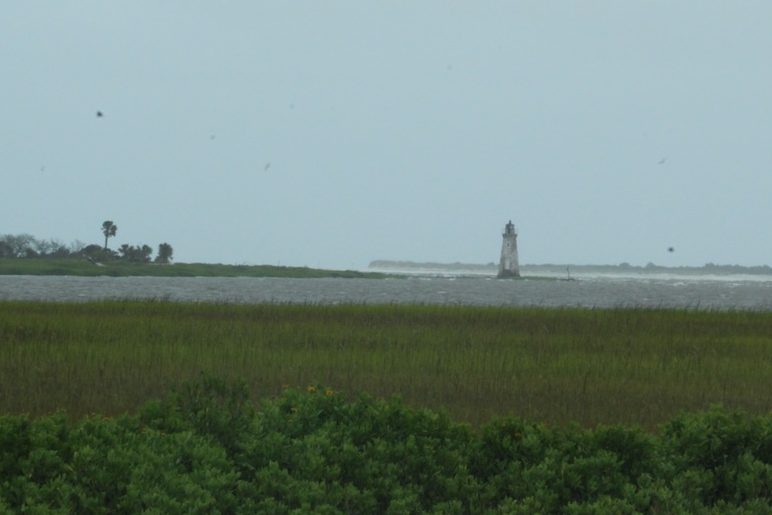
As we were driving off the island I got a photo of the Cockspur Island Lighthouse – this one was built in 1855 and is 46 feet tall. It is now powered by solar power – but not open to the public due to its poor condition. Then it was back to the RV to play some Mexican Train.
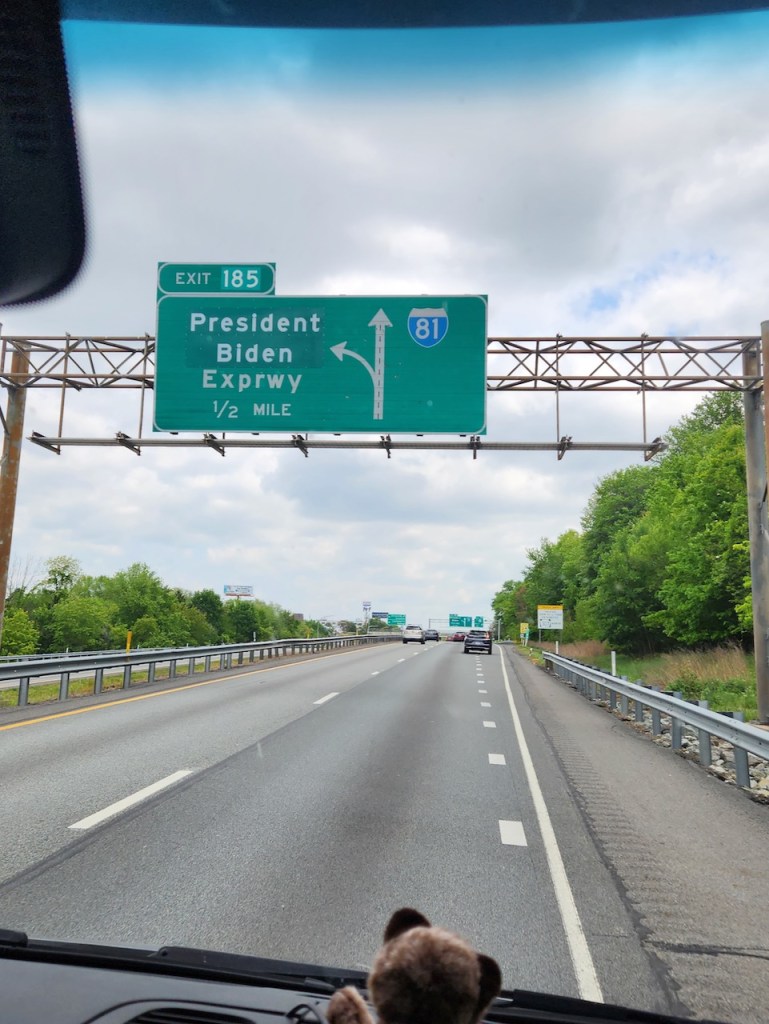
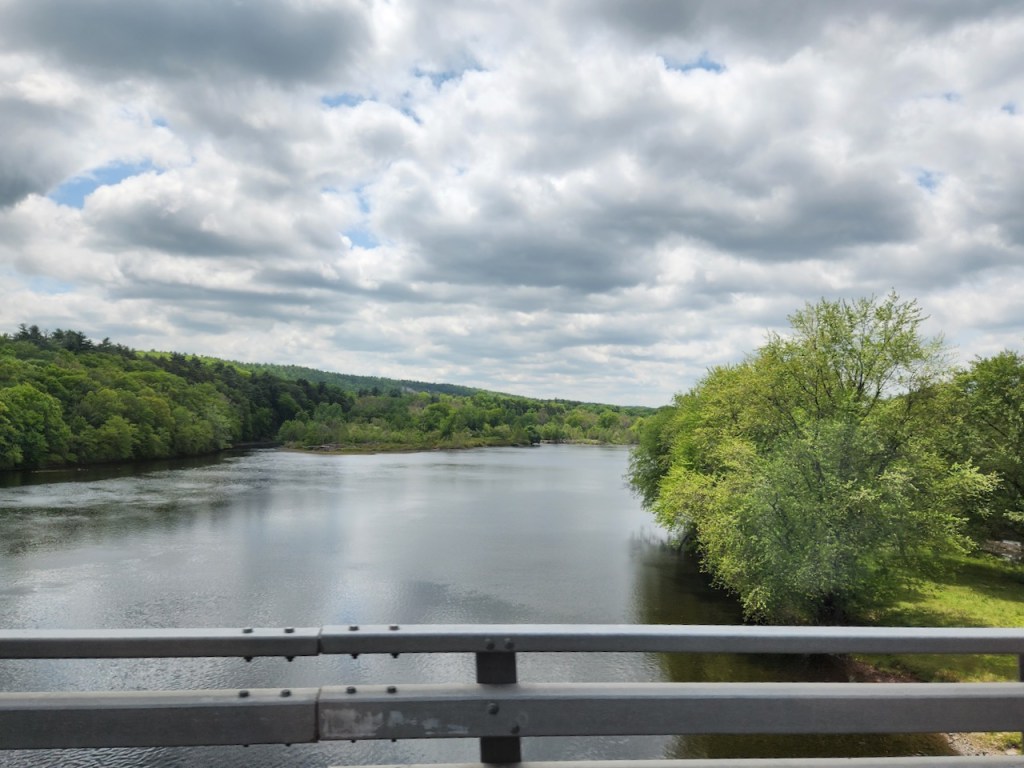
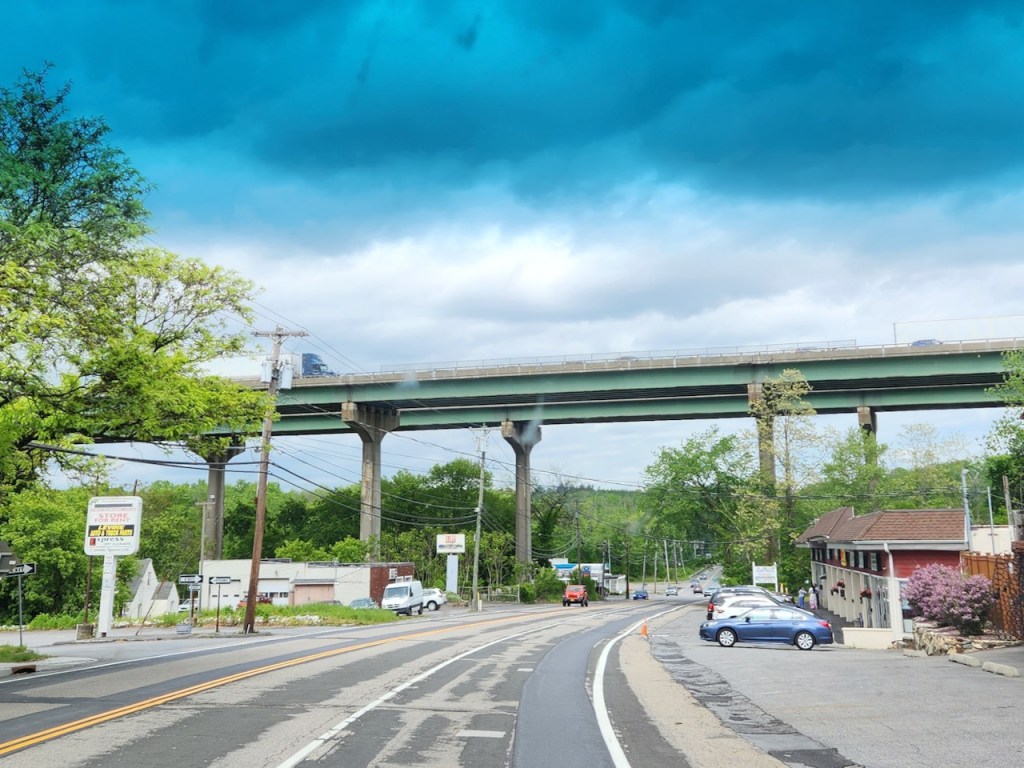
Whitney took off by 8:30 on Friday morning, and we left a bit later. We had two nights and three days of driving to get home. We didn’t make any stops during the days other than for lunch in rest stops along the way. We stayed in Enfield, NC and Jonestown, PA. Above are re some photos along the road in Pennsylvania. That’s the Susquehanna River and traffic on I80 that we avoided by taking some back roads.


 Trish & Anne RV Adventures
Leave a reply to Anne Cancel reply